中国生肖主题邮票

Search documents
当生肖文化遇上北欧风情
Xin Lang Cai Jing· 2026-02-17 13:16
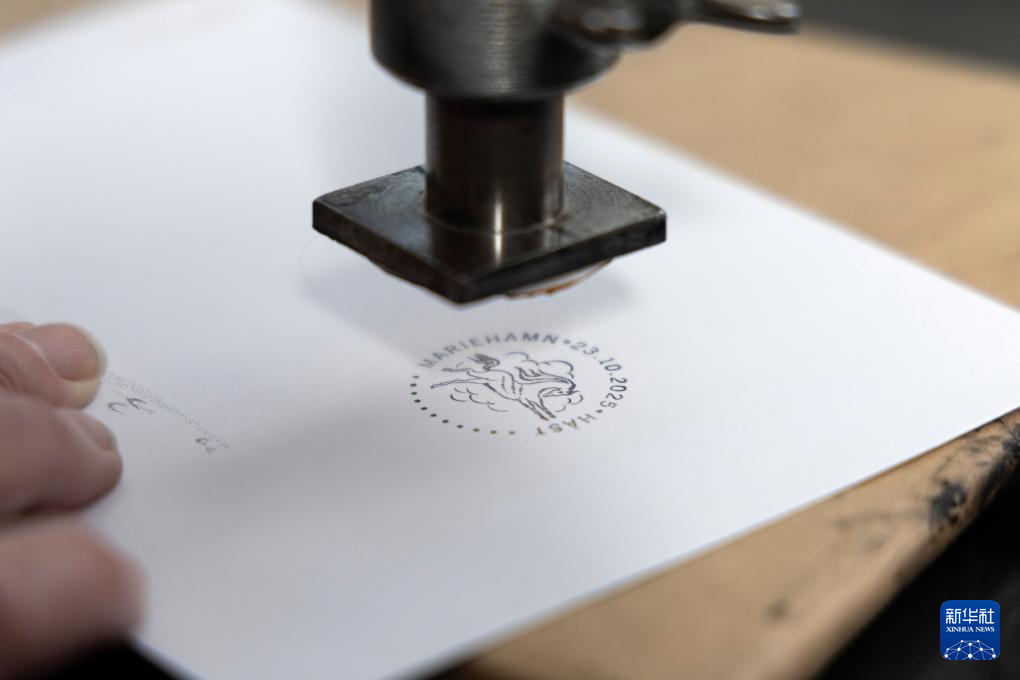
Core Viewpoint - The Åland Islands Postal Administration has successfully integrated Chinese zodiac themes into their stamp series, with the latest "Year of the Horse" stamp marking the culmination of over a decade of cultural exchange and celebration of Chinese traditions [2][5][8]. Group 1: Cultural Significance - The "Year of the Horse" stamp features elements symbolizing strength, loyalty, and courage, celebrating the arrival of the Chinese New Year [2]. - The stamps serve as a cultural bridge, allowing residents of the Åland Islands to connect with Chinese traditions and vice versa, enhancing mutual understanding [5][8]. - The series began in 2014 with the "Year of the Sheep" stamp, which received a warm reception, leading to a sustained cultural dialogue through subsequent zodiac stamps [4][5]. Group 2: Design and Artistic Collaboration - The majority of the zodiac stamp designs are created by Norwegian artist Martin Merck, who has a long-standing relationship with Chinese culture and art [5][6]. - Merck's designs incorporate both Chinese cultural elements and the natural scenery of the Åland Islands, resulting in vibrant and meaningful artwork [6][8]. - The latest stamp includes a seal inspired by the "Bronze Galloping Horse" from Gansu, symbolizing Merck's personal connection to China and his artistic journey [8]. Group 3: Market Reception and Impact - The zodiac stamps have gained popularity among collectors, with many buyers from around the world, particularly from China, expressing enthusiasm for the series [5]. - The Åland Islands Postal Administration views the zodiac stamps not just as products, but as a means of cultural connection and community building [5][8]. - The complete collection of the twelve zodiac stamps will be published globally, marking a significant milestone in the cultural exchange initiative [8].

全球新春走笔|当生肖文化遇上北欧风情
Xin Hua Wang· 2026-02-17 12:45
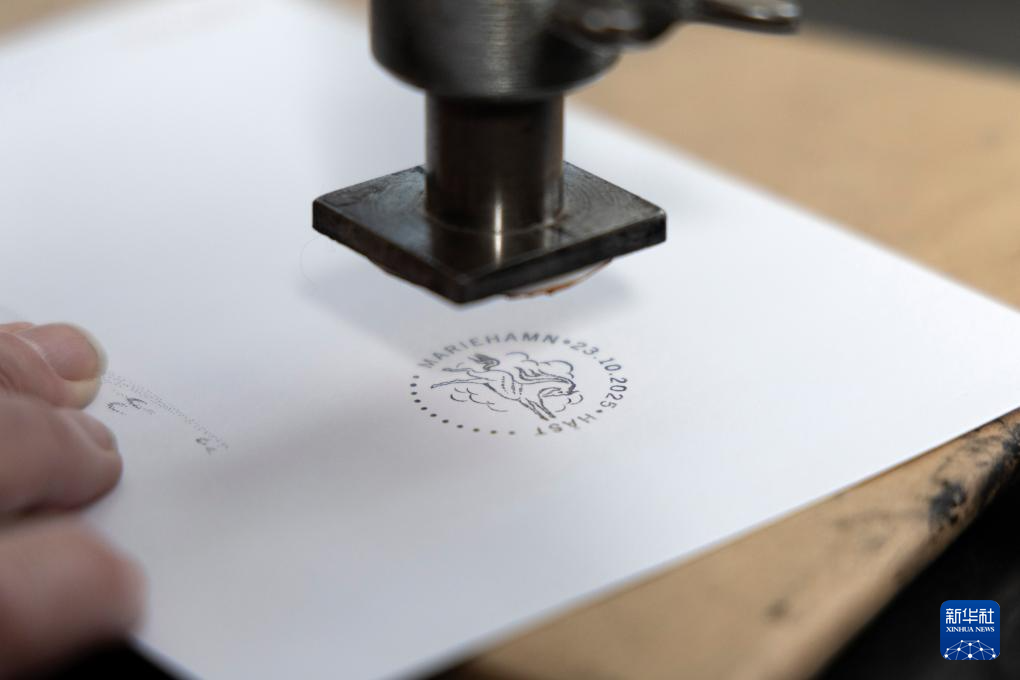
Core Viewpoint - The article highlights the cultural exchange between Chinese zodiac traditions and the unique characteristics of the Åland Islands, particularly through the issuance of zodiac-themed postage stamps over the past decade, culminating in the recent release of the Year of the Horse stamp [1][4]. Group 1: Cultural Significance - The Åland Islands Postal Administration has been issuing Chinese zodiac-themed stamps for over ten years, with the Year of the Horse stamp being the final piece of this series [1][3]. - The stamps serve as a cultural bridge, allowing residents of the Åland Islands to gain insights into Chinese culture, with the Year of the Horse stamp featuring elements like the Chinese characters "飞马" (Flying Horse) and "马厩幸福" (Stable Happiness) [3][4]. Group 2: Design and Artistic Collaboration - Norwegian artist Martin Merck, who has a long-standing connection with China, has been responsible for most of the zodiac stamp designs, aiming to blend Chinese cultural elements with the local Åland Islands' characteristics [4][5]. - The designs incorporate various aspects of Chinese culture, such as calligraphy and traditional crafts, alongside the natural and cultural scenery of the Åland Islands, creating vibrant and meaningful representations [5][7]. Group 3: Popularity and Reception - The zodiac stamps have garnered significant popularity, with many collectors, including those from China, eager to purchase them upon release, indicating a strong interest in this cultural exchange [4][5]. - The Åland Islands Postal Administration views these stamps not merely as products but as a means of fostering cultural connections and mutual understanding between different communities [4][7]. Group 4: Future Prospects - The completion of the zodiac stamp series is described as a remarkable journey of cultural connection, with hopes for continued creative exchanges and collaborations between the Åland Islands and China in the future [7][9]. - The stamps are seen as a valuable asset in promoting understanding of Chinese culture globally, with aspirations for further innovative interactions [7][9].