人胰腺癌6基因突变检测试剂盒

Search documents
“复旦肿瘤”自主研发人胰腺癌6基因检测试剂盒通过备案
Xin Lang Cai Jing· 2026-01-03 09:58
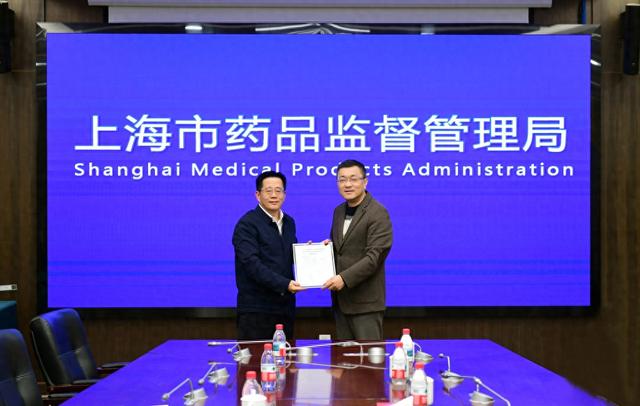
Core Viewpoint - The "Human Pancreatic Cancer 6 Gene Mutation Detection Kit," developed by a team led by Professor Yu Xianjun from Fudan University Affiliated Tumor Hospital, has been approved by the Shanghai Municipal Drug Administration, addressing the challenges of precise diagnosis and treatment for pancreatic cancer, often referred to as the "king of cancers" due to its high malignancy and rapid progression [1][2]. Group 1 - Pancreatic cancer is characterized by high malignancy, rapid progression, and hidden early symptoms, leading to late-stage diagnosis for most patients, which significantly reduces the 5-year survival rate [1]. - Traditional detection methods focus on individual genes, limiting their ability to capture the full spectrum of genetic mutations associated with pancreatic cancer, which can hinder the development of personalized treatment plans [1][2]. - The new detection kit integrates next-generation sequencing technology and deep capture techniques, allowing for the targeted detection of six core mutation genes in pancreatic cancer pathways, achieving breakthroughs in both precision and efficiency [2]. Group 2 - The development team aims to provide rapid and accurate detection results that can be effectively implemented in clinical settings, ultimately benefiting more pancreatic cancer patients [2]. - The approval of the detection kit reflects the advantages and value of the hospital's integrated model of clinical research and treatment, positioning Fudan University Affiliated Tumor Hospital as a leading institution in precision medicine [2]. - Future plans include deepening the innovation path for key diagnostic tools led by clinical institutions, ensuring that more "Chinese solutions" and "Chinese technologies" benefit cancer patients [3].
上海专家团队自研试剂,为胰腺癌精准医疗贡献“中国方案”
Xin Lang Cai Jing· 2025-12-31 14:51
Core Viewpoint - The "Human Pancreatic Cancer 6 Gene Mutation Detection Kit," developed by Professor Yu Xianjun's team at Fudan University Affiliated Tumor Hospital, has been officially registered with the Shanghai Municipal Drug Administration, marking it as the first self-developed in vitro diagnostic reagent for pancreatic cancer in China and the world [1][3]. Group 1: Product Development and Approval - The detection kit is the first of its kind to be approved for use by a medical institution in China, contributing to global precision medicine for pancreatic cancer [1][3]. - The kit addresses the urgent need for effective gene testing methods in clinical settings, particularly for pancreatic cancer patients who often miss surgical opportunities due to late diagnosis [3][4]. Group 2: Clinical Significance and Technology - Pancreatic cancer is known for its high malignancy and rapid progression, with most patients diagnosed at advanced stages, leading to low five-year survival rates [3]. - Traditional gene testing methods are limited in scope and sensitivity, often missing critical mutations, which can hinder personalized treatment plans [3][4]. - The new kit integrates next-generation sequencing technology and ultra-deep capture techniques, significantly improving mutation detection rates and providing a comprehensive view of gene variations for personalized treatment [6]. Group 3: Research and Development Team - A cross-disciplinary research team was formed to focus on the molecular characteristics of pancreatic cancer in the Chinese population, led by Professor Hu Xin from the Precision Tumor Center at Fudan University Affiliated Tumor Hospital [4]. - The team has spent three years overcoming key technical challenges to achieve breakthroughs in precision and efficiency in mutation detection [6].