切玛

Search documents
丙午迎春 火马纳福
Xin Lang Cai Jing· 2026-02-17 02:49
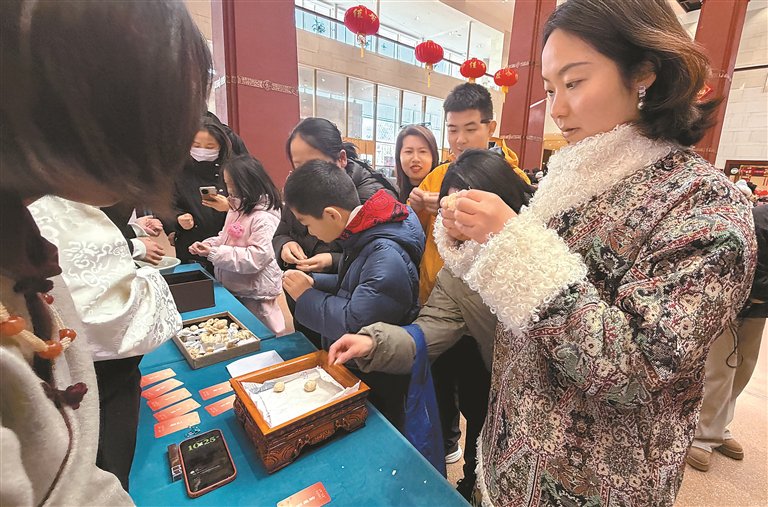
Group 1 - The core event is the "Eating Gutuk and Praying for Peace" activity held at the Tibet Museum, celebrating the Tibetan New Year with traditional food and cultural experiences [2] - "Gutuk" is a traditional dish made from yak meat soup, beef, radish, and milk residue, featuring unique fillings that symbolize various traits, enhancing the cultural significance of the meal [2] - The event attracted tourists, such as a visitor from Zhejiang, who expressed excitement about experiencing the Tibetan New Year traditions firsthand [2] Group 2 - The Tibet Museum has planned a series of activities for the Lunar New Year and Tibetan New Year, themed "Bingwu Welcoming Spring," including traditional performances and cultural experiences [3] - On the first day of the Tibetan New Year, traditional dragon and lion dance performances will take place, along with the distribution of custom scarves to the first 50 attendees [3] - Activities on February 18 will focus on New Year greetings and cultural heritage, featuring traditional performances and gifts for the first 100 visitors [3]

雪山下的温暖“古突”夜
Xin Hua She· 2025-12-20 01:50
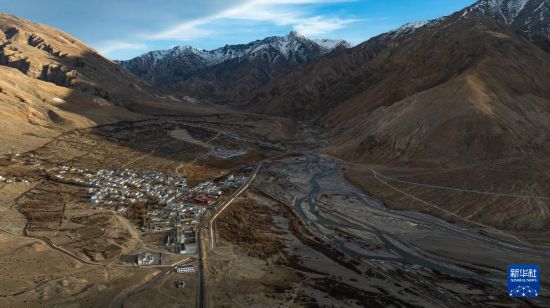
Core Viewpoint - The article highlights the celebration of the "Gutu" New Year in the Purang County of Tibet, emphasizing the cultural significance and the communal aspect of the festivities [2]. Summary by Relevant Sections - **Cultural Significance**: The "Gutu" festival, celebrated on the 29th day of the tenth month in the Tibetan calendar, involves the preparation of a traditional dish made from various ingredients, symbolizing abundance and community [2]. - **Local Celebrations**: Families in Purang County, such as the Cayang Zhuoma family, engage in festive preparations, showcasing a variety of traditional foods and a sense of togetherness during the New Year celebrations [2]. - **Economic Improvement**: The article notes that the local agricultural yield, particularly of barley and peas, has improved, contributing to a better quality of life and more vibrant celebrations in the community [2].