勺园

Search documents
勺海遗韵 燕园风雅
Bei Jing Wan Bao· 2025-05-22 06:47
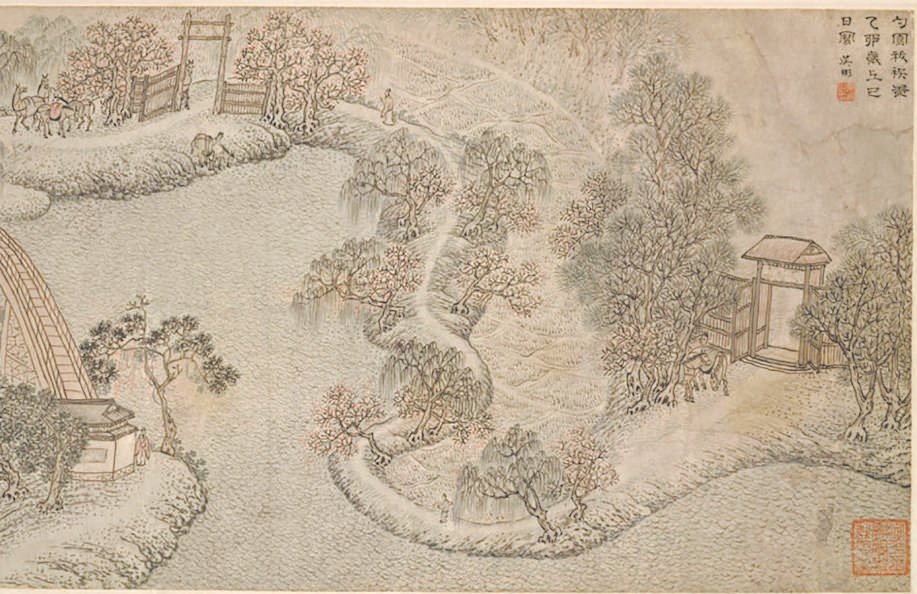
Core Viewpoint - The article highlights the historical significance and aesthetic value of the Shaoyuan garden, created by the Ming dynasty artist Mi Wanzhong, emphasizing its unique water features and cultural impact during its time [5][6][8]. Historical Background - Shaoyuan, also known as Fengyanli, was built between 1612 and 1614 by Mi Wanzhong, a renowned scholar and artist of the Ming dynasty [5][6]. - Mi Wanzhong was influential in various arts, including poetry, painting, and garden design, and was compared to other prominent figures of his time [5][6]. Garden Features - The garden covered approximately 100 acres and was characterized by its intricate water features, including ponds, bridges, and pavilions, creating a picturesque landscape reminiscent of southern Chinese gardens [7][8]. - The name "Shaoyuan" reflects the garden's connection to water, embodying the Chinese aesthetic philosophy that values nature's subtleties [6][7]. Cultural Impact - Mi Wanzhong frequently hosted gatherings at Shaoyuan, where literary figures composed poetry in praise of the garden, indicating its cultural significance [8][9]. - The garden was celebrated in various literary works, with poets like Wang Siren capturing its beauty and charm in their verses [8][9]. Artistic Representation - The garden's layout and design were documented in Wu Bin's painting "Shaoyuan Fuxi Tu," which showcases the garden's features and spatial organization, allowing viewers to appreciate its beauty [9][10]. - The painting serves as a historical record of the garden's aesthetics and the relationship between Mi Wanzhong and Wu Bin [10]. Transition and Legacy - After the fall of the Ming dynasty, Shaoyuan was repurposed and eventually transformed into the Hongya Garden during the Qing dynasty, reflecting changes in ownership and function [13]. - The garden suffered significant damage during the Second Opium War, leading to its eventual disappearance from historical records [14].