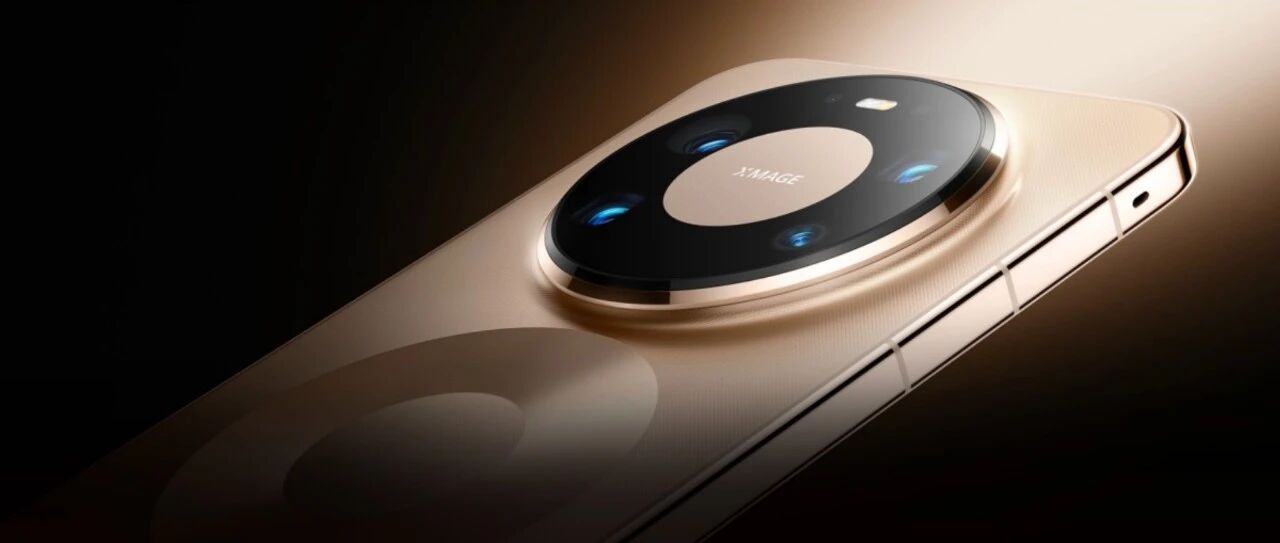
华为Mate 50系列

Search documents
三大运营商均推出北斗短信业务!深山荒漠里也能发短信
Bei Jing Ri Bao Ke Hu Duan· 2026-02-05 23:46
Group 1 - The core viewpoint of the articles is that China Telecom and China Unicom have officially received approval from the Ministry of Industry and Information Technology to launch commercial trials for the BeiDou short message service, marking a new phase in satellite communication services in China [1][2] - The commercial trials aim to promote the integration of satellite communication with terrestrial mobile communication, providing services in areas where traditional networks are difficult to cover, such as remote mountains, deserts, and seas [1] - The entry of China Telecom and China Unicom into the BeiDou short message service market signifies the end of the single-operator pilot phase and the beginning of a competitive landscape among the three major telecom operators in China [2] Group 2 - Nearly 60 models of smartphones from major domestic brands like Huawei, Honor, Xiaomi, Vivo, and OPPO now support BeiDou short messages, establishing a hardware foundation for the service's widespread adoption [2] - The development of 6G technology is underway, and the trend of "integrated air and space communication" is becoming increasingly clear, indicating a shift towards more advanced communication technologies [2]



Mate系列12年,读懂中国科技的「实力破圈」
36氪· 2025-11-25 11:10
Core Viewpoint - The Huawei Mate series has successfully navigated through 12 years of technological evolution, establishing itself as a strong contender in the high-end smartphone market, particularly with the upcoming Mate 80 series, which embodies the spirit of "infinite exploration" [3][4][19]. Group 1: Historical Context and Evolution - The Huawei Mate series began with the Mate 7 in 2014, breaking the dominance of Apple and Samsung in the high-end market with its large screen, long battery life, and business-oriented design [3]. - The Mate 40 series in 2020 showcased Huawei's integrated software and hardware capabilities, marking a significant milestone in the series' evolution [3]. - The Mate 50 series was launched during challenging times, reflecting Huawei's commitment to product iteration and its soft-hard integration strategy [3][19]. Group 2: Design and Innovation - The Mate 80 series features a "dual-ring" design that symbolizes the brand's commitment to exploration and innovation, representing both a visual identity and a narrative tool [5][6]. - The series incorporates a full metal body design, overcoming engineering challenges related to signal interference, which is crucial for satellite communication [8]. - The Mate 80 Pro Max introduces a unique metal light engraving process and offers four new color options inspired by extreme environments, embodying the spirit of exploration [8]. Group 3: Technological Advancements - The Mate 80 series is equipped with HarmonyOS 6, which enhances user experience through a distributed architecture and system-level AI capabilities, achieving over 98% compatibility within the Harmony ecosystem [8][11]. - The second-generation red maple imaging system significantly improves color accuracy in challenging lighting conditions, with the Mate 80 Pro Max offering groundbreaking macro capabilities [10]. - The AI assistant, now referred to as "Xiao Yi," has been upgraded to support proactive task completion and multi-modal interactions, enhancing user engagement [11]. Group 4: Market Position and Future Outlook - The Mate series has consistently represented a commitment to innovation and has become a symbol of China's technological advancement in the high-end smartphone market [19][27]. - The upcoming Mate 80 series is expected to redefine the concept of flagship smartphones by integrating various capabilities into a cohesive system, moving beyond mere functional enhancements [18]. - Huawei's approach to the Mate 80 series reflects a broader strategy of self-reliance and innovation, positioning the brand as a leader in the high-end smartphone segment amidst increasing competition [27].