古罗马格斗马赛克画

Search documents
成都世运会|博物馆里看世运:跨越千年的共鸣
Xin Hua Wang· 2025-08-12 13:12
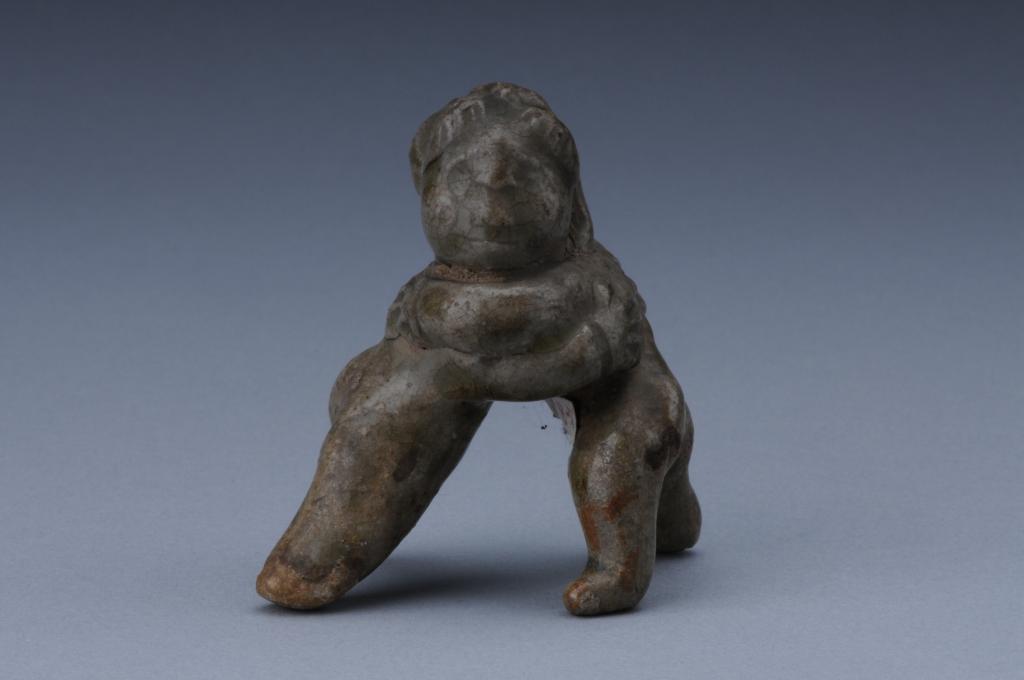
Core Viewpoint - The 12th World Games in Chengdu showcase a unique dialogue between ancient sports artifacts and modern athletic events, highlighting the enduring human pursuit of strength, skill, and vitality through sports [1]. Group 1: Historical Artifacts and Modern Sports - The Song Dynasty Qiongyao toy figurine captures the playful struggle of children, reminiscent of modern jiu-jitsu athletes demonstrating similar physical control and technique [1]. - The Eastern Han Dynasty seven-plate dance image brick opens a window into ancient gymnastics, with performers showcasing flexibility akin to modern rhythmic gymnastics [4]. - The Northern Song Dynasty swimming porcelain sculpture reflects the dynamic motion of swimming, paralleling the water rescue actions in the World Games [7]. Group 2: Traditional Chinese Sports - The World Games feature events closely related to traditional Chinese sports, such as martial arts and dragon boat racing, illustrating the evolution of martial arts from combat to competitive sport [10]. - The Qing Dynasty silk painting "Dragon Boat Racing" captures the essence of traditional sports culture, resonating with the modern dragon boat racing event at the World Games [13]. - The soft hockey event, reminiscent of ancient Chinese ball games, highlights the continuity of team sports and the pursuit of precision and strategy [14]. Group 3: Global Sports Heritage - The global sports artifacts, such as the painted amphora from the Panathenaic Festival and the ancient Roman mosaic, reflect diverse cultural interpretations of sports, complementing Chinese sports culture [17]. - The dialogue between ancient and modern sports emphasizes the intrinsic connection between sports and daily life, aligning with contemporary movements advocating for sports to return to everyday life [20].