大网电

Search documents
祁连深处牧歌悠扬——苏里乡通大网电一周年记
Zhong Guo Neng Yuan Wang· 2025-09-25 09:08
Core Insights - The development of Su Li Township is significantly accelerated with the extension of the power grid, providing reliable electricity to 454 households and 1,627 residents before the National Day holiday in 2024 [2][3][9] Infrastructure Development - The State Grid Qinghai Electric Power Company initiated the power grid extension project in Su Li Township, which was previously reliant on off-grid solar power [2] - Construction involved overcoming challenging terrain, with 132 electric poles erected and a 35 kV transmission line established over 40 kilometers [2] Economic Growth - The establishment of collective industries in Su Li Township includes a unique café, organic product sales, and a live-streaming area, contributing to local economic diversification [3][4] - The average income per village reached 156,800 yuan, reflecting a year-on-year increase of 2.12% [5] Technological Integration - The township is advancing towards digital and intelligent livestock farming, with a total of 129,000 cattle and sheep, and five smart barns equipped with tracking devices for livestock [5] - The local power company is actively educating residents on energy conservation and the use of smart technology for managing electricity [6] Environmental Protection - The power company employs drones and infrared temperature measurement tools for safety inspections, ensuring the protection of both electrical infrastructure and the local ecosystem [6][7] - The ecological safety barrier is reinforced, contributing to sustainable development and the preservation of the natural environment [9]

六秩风华 “电”亮西藏发展新征程
Zhong Guo Neng Yuan Wang· 2025-08-08 01:08
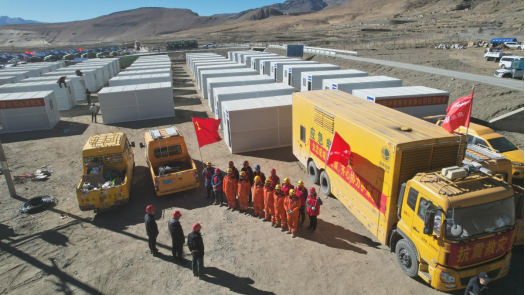
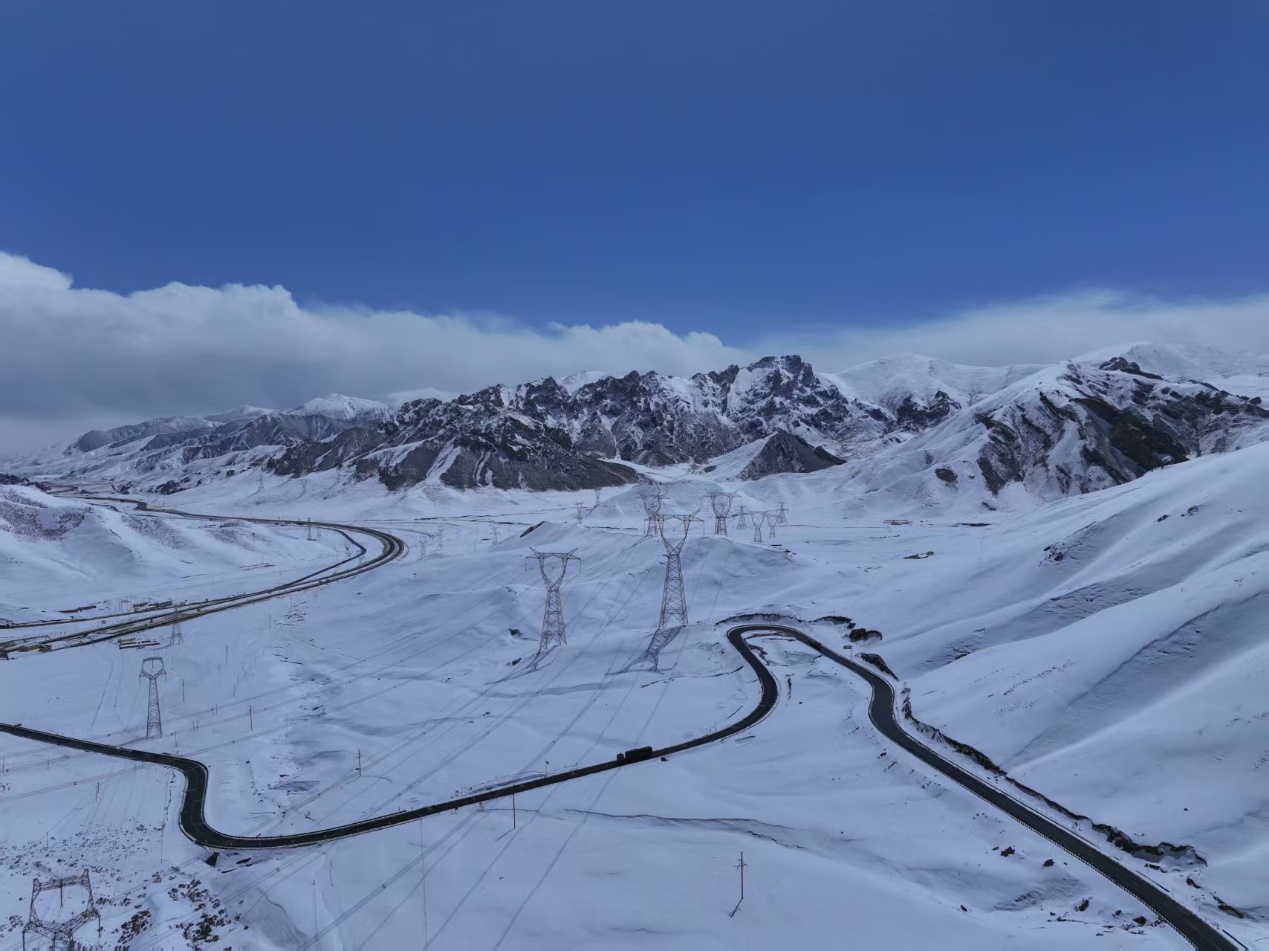
Core Viewpoint - The development of the power industry has been crucial for the economic growth and modernization of Tibet, marking a significant transformation from a past of limited access to electricity to a future of widespread power availability and clean energy initiatives [1][30]. Group 1: Historical Context and Development - The first connection of the power grid to Tibet occurred only 10 years ago, with the Everest Base Camp being connected in April 2014 [3]. - Before the establishment of the power grid, electricity was a luxury for the elite, with ordinary people relying on oil lamps and manual labor for daily tasks [4]. - The establishment of the Tibet Autonomous Region in 1965 spurred enthusiasm among the local population for building a socialist new Tibet [6]. Group 2: Recent Achievements and Infrastructure - The power network in Tibet has shown remarkable resilience, as evidenced by the rapid restoration of electricity following the 6.8 magnitude earthquake in Dingri County on January 7, 2025 [2]. - The construction of four major power transmission lines, known as "Electricity Highways," has connected Tibet to the national grid, significantly improving power reliability and access [12]. - The power supply reliability in Tibet has reached 99.6%, serving nearly 3.7 million people across 74 counties [12]. Group 3: Economic Impact and Growth - The annual electricity load in Tibet has been increasing by 15%, with the total electricity consumption reaching 154.17 billion kilowatt-hours, a 593-fold increase since the establishment of the region [15]. - The stable power supply has been vital for local industries, such as the Giant Dragon Copper Company, which relies on consistent electricity for production [15]. - The development of clean energy projects has become a priority, with over 30% of investment in key projects focused on clean energy since the 14th Five-Year Plan [22]. Group 4: Future Prospects and Initiatives - The establishment of independent microgrids aims to address power supply challenges in remote areas, enhancing energy access for local communities [25]. - The ongoing construction of the Qinghai-Tibet DC expansion project will double the power transmission capacity, facilitating the export of surplus clean energy [24]. - The focus on developing a new energy system will support the long-term goals of energy security and sustainable development in Tibet [28].