山姆MM(Member's Mark)

Search documents
永辉喊话山姆不要让供应商“二选一”,谁在逼供应商站队?
第一财经· 2026-03-17 03:31
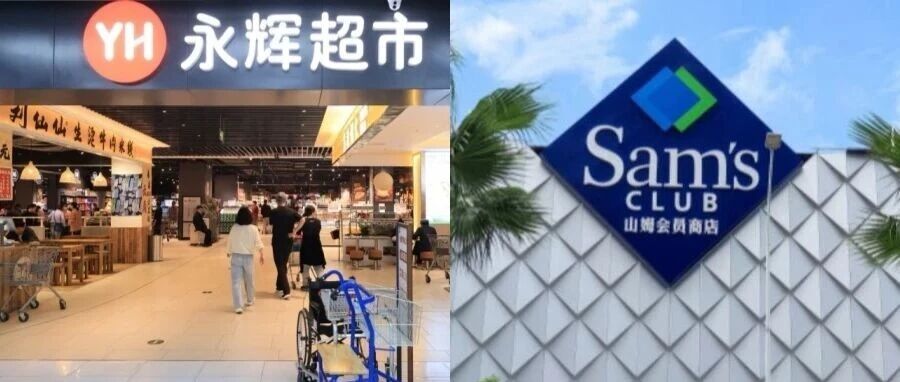
Core Viewpoint - Yonghui Supermarket's private brand, "Quality Yonghui," issued an open letter to Sam's Club's private brand, "Sam's MM," advocating for fair competition and collaboration in quality improvement, particularly addressing the issue of suppliers being forced into a "choose one" scenario [3][4]. Group 1: Open Letter and Initiatives - The open letter emphasizes a shared commitment to enhancing product quality and providing consumers with better options, urging Sam's MM to avoid practices that pressure suppliers into exclusive agreements [4]. - Yonghui proposed seven collaborative initiatives, including not forcing suppliers into "choose one" situations, improving product quality, ensuring clean formulations, offering fair pricing, empowering employees, promoting ESG (Environmental, Social, and Governance) practices, and fostering continuous innovation [4]. Group 2: Competitive Landscape - Sam's Club has significantly increased the share of its private brand, MM, to over 20% of total sales, which is notably higher than the typical 10% share seen in other local membership stores or supermarkets [5]. - The competition for quality suppliers is intensifying among retailers, as they seek unique and high-quality products to meet consumer demands for value rather than just low prices [5][6]. Group 3: Yonghui's Operational Challenges - Yonghui Supermarket is facing significant operational challenges, with plans to close 225 stores in 2024 and 381 stores in 2025, reducing its total store count to approximately 400 by the end of 2025, which is less than half of its peak number [6]. - The company has reported cumulative losses exceeding 11.6 billion yuan over the past five years, highlighting the pressure it faces in the competitive retail environment [6]. Group 4: Supplier Dynamics - The issue of suppliers being pressured into exclusive agreements is not new, as similar situations have been reported with other retailers like Carrefour and Hema, indicating a broader trend of competitive pressures in the retail sector [8]. - Retailers are increasingly seeking exclusive partnerships with high-performing suppliers to enhance their competitive edge, leading to potential conflicts and exclusivity disputes [9].