品质永辉

Search documents
永辉喊话山姆:不要让供应商“二选一”!山姆曾多次被零售企业控诉……
新浪财经· 2026-03-17 09:48
Core Viewpoint - The article discusses the competitive landscape between Yonghui and Sam's Club, particularly focusing on the issue of suppliers being forced into a "choose one" situation, which is viewed as unfair competition. Yonghui emphasizes the need for fair practices and quality improvement in their own brand development [2][4][12]. Group 1: Supplier Competition - Yonghui publicly called out Sam's Club for allegedly pressuring suppliers to choose between them and other retailers, highlighting the need for fair competition in the market [2][4]. - The competition for suppliers has intensified, with both Yonghui and Sam's Club vying for quality suppliers, leading to a "supply chain war" [12][14]. - Yonghui's open letter is a response to ongoing issues with suppliers facing pressure to choose sides, indicating a significant operational challenge for the company [14][19]. Group 2: Brand Development and Quality - Yonghui aims to enhance product quality by focusing on superior raw materials, scientific formulations, advanced processes, and aesthetically pleasing designs [5]. - The company commits to transparency regarding food additives, publishing ingredient lists annually to ensure customer safety and trust [6]. - Yonghui emphasizes the importance of price competitiveness, stating that the value proposition should be based on quality and price equivalence [7]. Group 3: Market Dynamics and Challenges - Sam's Club has successfully increased its private label Member's Mark (MM) to account for over 20% of its total sales, significantly higher than the typical 10% seen in local competitors [12][13]. - Yonghui's store count is projected to decrease from 1,000 in 2023 to approximately 400 by the end of 2025 due to ongoing losses exceeding 11.6 billion yuan over five years [12][14]. - The retail landscape is evolving, with major players like Costco and others also increasing their private label offerings, intensifying the competition for unique suppliers [13][14].


永辉喊话山姆 :别搞供应链“二选一”
21世纪经济报道· 2026-03-17 06:08
Core Viewpoint - The article highlights the competitive tension between Yonghui Supermarket and Sam's Club regarding supply chain practices, particularly the "choose one" strategy imposed by Sam's Club on suppliers, which restricts competition and market access for other retailers [1][10]. Group 1: Financial Performance and Market Position - Yonghui Supermarket is projected to incur a net loss of 2.14 billion yuan for the fiscal year 2025, marking its fifth consecutive year of losses, primarily due to one-time costs associated with store adjustments and asset disposals [1]. - In contrast, Sam's Club is experiencing rapid growth, with sales expected to exceed 140 billion yuan in 2025, representing a year-on-year increase of approximately 40% [1]. Group 2: Supply Chain Practices - Yonghui Supermarket's self-owned brand, "Quality Yonghui," has called for fair competition and has criticized Sam's Club for its "choose one" policy, which they argue undermines supplier relationships and market fairness [3][10]. - The article draws parallels to past incidents in 2021 where other retailers, such as Hema and Carrefour, accused Sam's Club of similar supply chain pressures, indicating a recurring issue in the industry [10]. Group 3: Industry Standards and Collaboration - Yonghui Supermarket emphasizes the need for collaboration in developing high-quality products and maintaining transparency in ingredient usage, advocating for a collective effort with Sam's Club to enhance product quality and safety [5][8]. - The company also stresses the importance of employee welfare and ESG (Environmental, Social, and Governance) initiatives, aiming to create a sustainable and responsible business environment [7][8]. Group 4: Regulatory Environment - The article notes that regulatory scrutiny regarding the "choose one" practice is increasing, with the market regulator clarifying that such behavior by dominant market players is prohibited under antitrust laws [11]. - The potential negative impacts of supply chain exclusivity are highlighted, including reduced bargaining power for suppliers and limited options for consumers, which could ultimately lead to higher prices [11].
永辉喊话山姆不要让供应商“二选一”,谁在逼供应商站队?
第一财经· 2026-03-17 03:31
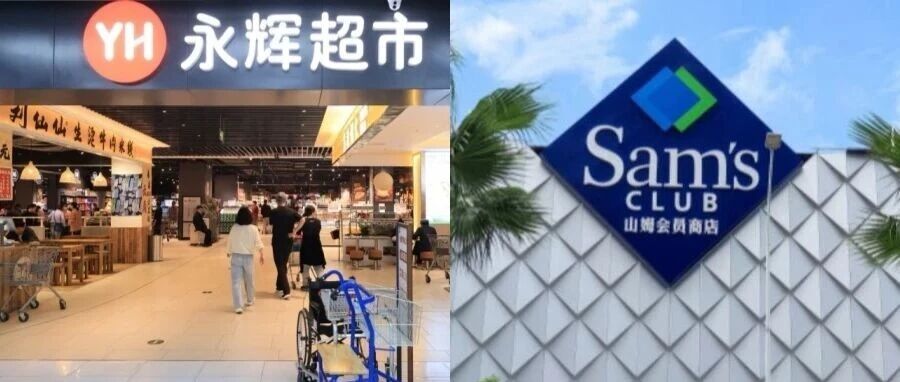
Core Viewpoint - Yonghui Supermarket's private brand, "Quality Yonghui," issued an open letter to Sam's Club's private brand, "Sam's MM," advocating for fair competition and collaboration in quality improvement, particularly addressing the issue of suppliers being forced into a "choose one" scenario [3][4]. Group 1: Open Letter and Initiatives - The open letter emphasizes a shared commitment to enhancing product quality and providing consumers with better options, urging Sam's MM to avoid practices that pressure suppliers into exclusive agreements [4]. - Yonghui proposed seven collaborative initiatives, including not forcing suppliers into "choose one" situations, improving product quality, ensuring clean formulations, offering fair pricing, empowering employees, promoting ESG (Environmental, Social, and Governance) practices, and fostering continuous innovation [4]. Group 2: Competitive Landscape - Sam's Club has significantly increased the share of its private brand, MM, to over 20% of total sales, which is notably higher than the typical 10% share seen in other local membership stores or supermarkets [5]. - The competition for quality suppliers is intensifying among retailers, as they seek unique and high-quality products to meet consumer demands for value rather than just low prices [5][6]. Group 3: Yonghui's Operational Challenges - Yonghui Supermarket is facing significant operational challenges, with plans to close 225 stores in 2024 and 381 stores in 2025, reducing its total store count to approximately 400 by the end of 2025, which is less than half of its peak number [6]. - The company has reported cumulative losses exceeding 11.6 billion yuan over the past five years, highlighting the pressure it faces in the competitive retail environment [6]. Group 4: Supplier Dynamics - The issue of suppliers being pressured into exclusive agreements is not new, as similar situations have been reported with other retailers like Carrefour and Hema, indicating a broader trend of competitive pressures in the retail sector [8]. - Retailers are increasingly seeking exclusive partnerships with high-performing suppliers to enhance their competitive edge, leading to potential conflicts and exclusivity disputes [9].
永辉公开喊话山姆:不要让供应商“二选一”
证券时报· 2026-03-16 13:16
Core Viewpoint - The company "Quality Yonghui" has issued an open letter to "Sam's MM," advocating for fair competition and quality co-construction in the retail industry, emphasizing the need to resist low-quality competition and promote overall industry progress [1][4]. Group 1: Seven Joint Initiatives - The first initiative is to avoid forcing suppliers into a "choose one" situation, promoting fair competition and allowing suppliers to collaborate with multiple partners [2][4]. - The second initiative focuses on enhancing product quality through superior raw materials, scientific formulations, advanced processes, and aesthetically pleasing designs and packaging [2][5]. - The third initiative emphasizes the importance of clean formulations, with the company committing to annually disclose ingredient lists and additive usage, advocating for transparency in product safety [2][6]. - The fourth initiative aims to offer excellent price-quality ratios, encouraging customers to choose based on quality at the same price point, thereby creating greater value [2][7]. - The fifth initiative is about employee empowerment, ensuring fair compensation, ample vacation, professional development, and a strong ethical foundation [2][8]. - The sixth initiative promotes Environmental, Social, and Governance (ESG) practices, focusing on systematic thinking, forward-looking strategies, and efficient innovation for societal and environmental well-being [2][8]. - The seventh initiative highlights the need for continuous innovation, with the company aspiring to learn from industry leaders like Sam's and Kirkland to enhance product offerings [2][9].
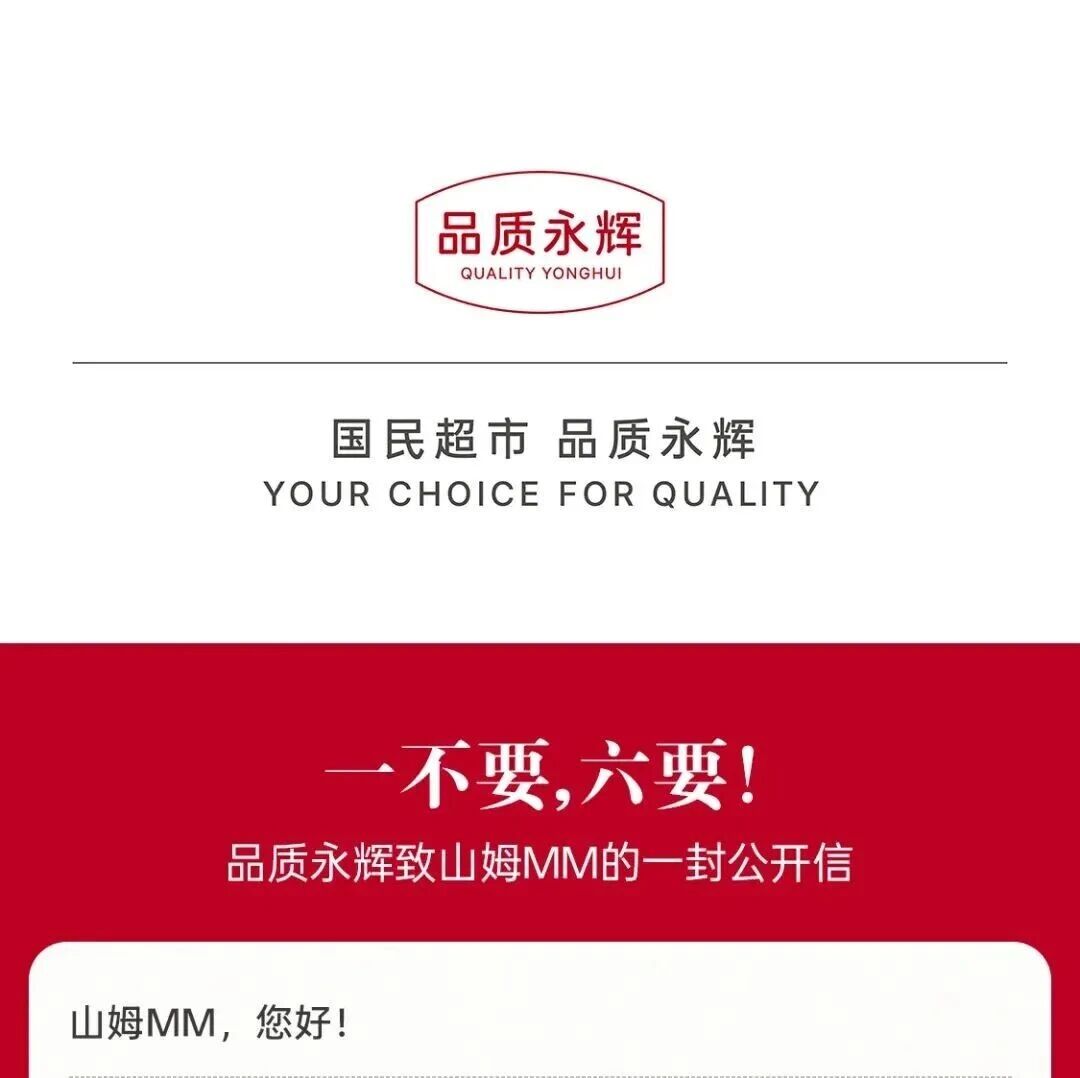
永辉超市喊话山姆:不要让供应商“二选一”
21世纪经济报道· 2026-03-16 12:55
Core Viewpoint - The letter from Yonghui Supermarket's private brand "Quality Yonghui" emphasizes the importance of fair competition and calls on Sam's Club to refrain from forcing suppliers into a "choose one" scenario, advocating for a focus on quality and ethical business practices [1][4]. Group 1: Quality Improvement - The company aims to enhance product quality by selecting superior raw materials, employing scientific formulas, utilizing advanced processes, and improving design and packaging aesthetics [5]. - Transparency in ingredient usage is a priority, with the company committing to publish ingredient lists and additive usage annually, urging Sam's Club to adopt similar standards for safer and healthier products [6]. Group 2: Pricing Strategy - The fundamental principle of private brands is to win customers through exceptional quality-to-price ratios, emphasizing that for the same quality, price should be the determining factor, and for the same price, quality should prevail [7]. Group 3: Employee Development - Employees are viewed as essential partners in the private brand's success, with a focus on providing reasonable salaries, ample vacation, professional training, and a supportive work environment, while maintaining strict ethical standards [8].
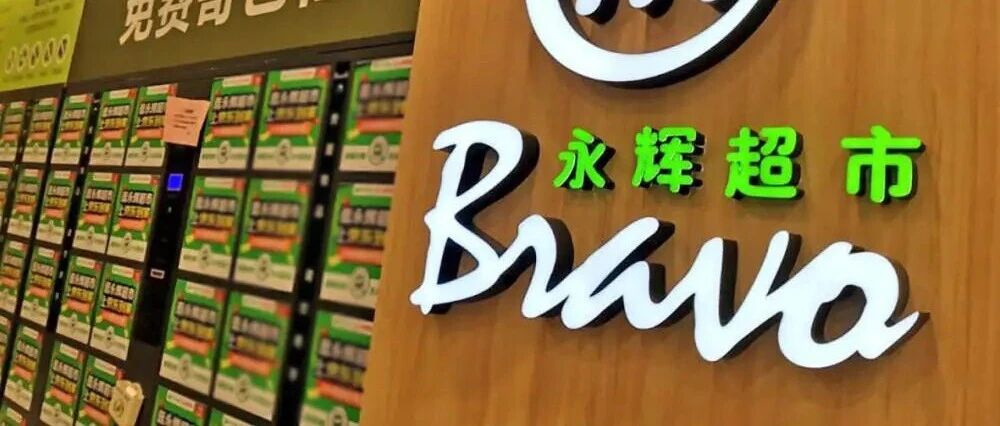
永辉超市CEO王守诚发新年全员信
Sou Hu Cai Jing· 2026-02-11 02:38
Core Viewpoint - Yonghui Supermarket's CEO Wang Shoucheng outlined the company's strategic transformation achievements and plans for 2026, highlighting a significant turnaround with a dual growth in same-store traffic and sales after five years [2][5]. Group 1: Strategic Transformation - In 2025, Yonghui underwent a substantial self-reform, closing nearly 400 low-quality stores and systematically renovating over 300 existing stores, covering a total area of more than 2 million square meters [2][5]. - The company acknowledged past mistakes in prioritizing scale over core values, leading to a loss of trust from employees and customers, and expressed a commitment to rebuilding that trust [4][5]. - The dual growth in same-store traffic and sales in 2025 validated the company's focus on "people and products," indicating a successful return to its foundational principles [5][6]. Group 2: 2026 Strategic Focus - For 2026, Yonghui aims to transition from "adjustment" to "systematic deep cultivation," focusing on sustainable capabilities in three main areas: product quality, store experience, and organizational empowerment [2][3]. - The company plans to enhance its procurement role to become "quality achievers," establishing a "quality community" with 200 core production areas and factories, and aims to create 100 high-reputation products [6][7]. - Yonghui intends to transform its stores from mere transaction points to "community kitchens" and "neighborhood living rooms," integrating more deeply into local community life [8]. - Organizational changes will shift from management control to empowerment, aiming to clarify responsibilities, simplify processes, and enhance employee training and AI technology application [9]. Group 3: Commitment to Values - The CEO emphasized a long-term commitment to quality retail and expressed gratitude towards the support from partners, customers, and employees, which are seen as the foundation for the company's renewed journey [10][11].

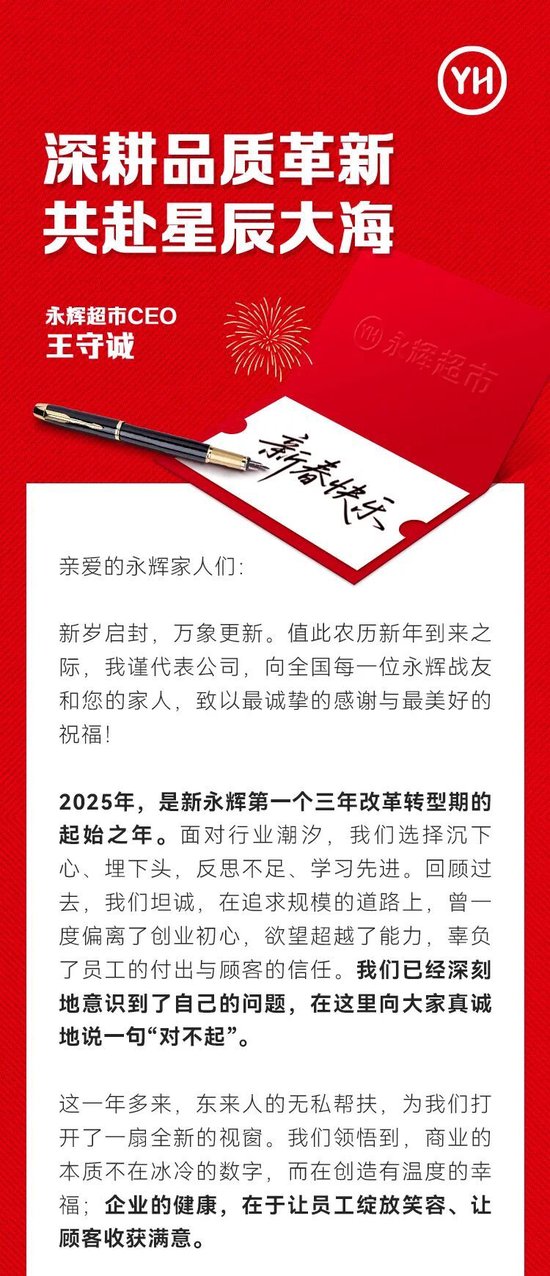
CEO王守诚致全体永辉人的2026新春寄语:深耕品质革新 共赴星辰大海
Xin Lang Cai Jing· 2026-02-11 01:42
Core Insights - The company acknowledges past mistakes in prioritizing scale over core values and expresses a commitment to employee satisfaction and customer trust [11][13] - A significant transformation has been initiated, including the closure of nearly 400 low-quality stores and the renovation of over 300 existing stores, marking an unprecedented industry record [4][14] - The company aims to focus on three main areas in 2026: product quality, store experience, and organizational structure, to enhance customer satisfaction and employee engagement [4][15][16][17] Group 1: Company Transformation - The company has undergone a comprehensive self-reform, resulting in a return to growth in same-store traffic and sales for the first time in five years [4][14] - In 2025, the company distributed nearly 50 million yuan in profit sharing to employees, indicating a shift towards shared success [4][14] - The company plans to deepen its focus on "happy and quality retail" in 2026, embedding the lessons learned into its operational philosophy [4][18] Group 2: Focus Areas for 2026 - **Deepening Product Quality**: The company will transition from "purchasing" to "co-creation," establishing a quality ecosystem with 200 core production areas and factories [5][15] - **Enhancing Store Experience**: Stores will evolve from mere transaction points to community hubs, providing essential services and creating a welcoming environment for customers [6][16] - **Organizational Development**: The company will shift from management control to empowerment, investing in employee growth and embracing AI applications to enhance operational efficiency [7][17]
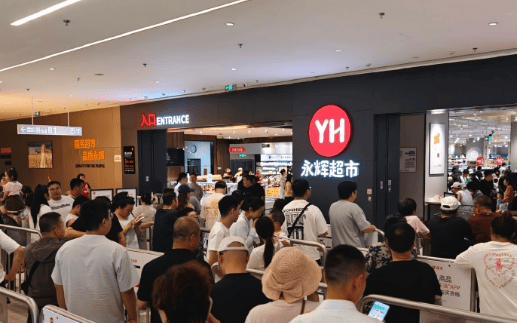
永辉完成北京20家门店调改,第二阶段着重于“细节场景优化”
Bei Ke Cai Jing· 2026-01-31 07:01
Core Viewpoint - Yonghui Supermarket has officially reopened its Beijing Longhu Changying Tianjie store after over a month of renovation, with 20 stores upgraded in the Beijing area, achieving both increased foot traffic and sales in the first 19 stores that reopened [1][2]. Group 1: Store Renovation and Performance - The overall product replacement rate at the Yonghui Longhu Changying Tianjie store exceeds 70%, with a 76% replacement rate for fresh products [1]. - The product structure of the renovated store aligns 80% with that of the brand Pang Donglai, incorporating local Beijing characteristics [1]. - Yonghui's private label "Quality Yonghui" has launched nearly 60 products, with plans to introduce 200 products by 2026 [1]. Group 2: Future Plans and Financial Outlook - Yonghui's Vice President and General Manager of Beijing Region, Gan Wangheng, stated that the company will enter a second phase of renovation focused on optimizing details and responding to diverse local market demands [1]. - The company plans to enhance operations centered around "product scene" and will continue to optimize dimensions such as products, services, and experiences [1]. - As of the end of 2025, Yonghui is expected to have a total of 403 stores, with 315 stores having completed renovations, while facing a projected loss of 2.14 billion yuan for 2025, marking the fifth consecutive year of losses [2]. - Analysts suggest that as store closures and renovations conclude, Yonghui is entering a phase of refined operations, which may improve single-store efficiency and stabilize revenue, enhancing profitability [2].
永辉超市五连亏后启动31亿定增,叶国富主导胖改转型
Sou Hu Cai Jing· 2026-01-15 14:21
Core Viewpoint - Yonghui Supermarket is facing significant challenges with continuous losses over five years, but it is pursuing a transformation strategy that includes a major fundraising effort of over 3 billion yuan to upgrade its stores and logistics, aiming for a new lifecycle post-restructuring [2][3]. Group 1: Financial Performance and Store Closures - Yonghui Supermarket announced a pre-loss for 2025, continuing its trend of losses with a projected revenue of 424.34 billion yuan, a 22.21% decrease year-on-year, and a net loss of 15.02 billion yuan [4]. - The company has closed over 325 stores, reducing its total from a peak of 1,000 to 450, focusing on eliminating inefficient locations [4]. - The closures have resulted in significant costs, with the closure of 104 stores in Q3 2025 leading to a loss of 6.12 billion yuan, averaging nearly 600,000 yuan per store [4]. Group 2: Transformation Initiatives - Yonghui has initiated a "Pang Reform" movement, aiming to revamp its stores by eliminating 70% of low-efficiency products and introducing high-potential new items [5]. - The reform has led to an average customer traffic increase of over 80% in remodeled stores, with over 60% of these stores achieving profitability exceeding their five-year peak [6]. - Despite these improvements, the overall financial performance remains under pressure, with a significant decline in revenue and a net loss of 2.41 billion yuan in the first half of 2025 [6]. Group 3: Fundraising and Financial Strategy - Yonghui announced a 31.14 billion yuan fundraising plan, reduced from an initial 39.92 billion yuan, to finance store upgrades, logistics improvements, and to address liquidity needs [8][11]. - The fundraising will focus on upgrading stores in high-potential areas and enhancing logistics capabilities, including the construction of cold storage facilities [8][11]. - The company faces severe financial pressure, with a debt ratio of 88.96%, indicating a critical need for effective use of the raised funds to stabilize its financial situation [11]. Group 4: Competitive Landscape and Industry Trends - The retail industry is experiencing a structural adjustment, with stronger players like Pang Donglai setting benchmarks for success, while weaker competitors struggle [14]. - Yonghui's transformation is seen as a gamble to escape ongoing losses, positioning it as a key player to watch in the retail sector [3][16]. - The success of Yonghui's transformation will depend on the efficiency of its remodeled stores, the effective deployment of its fundraising, and the execution of its new strategic initiatives [16].
永辉“胖改”迎5连亏,能活成第二个步步高吗?
阿尔法工场研究院· 2026-01-15 06:18
Core Viewpoint - Yonghui Supermarket is not merely aiming to learn from Pang Donglai but is pursuing a more ambitious transformation strategy amidst ongoing financial losses and operational restructuring [2][3]. Group 1: Financial Performance and Losses - Yonghui Supermarket has announced a pre-loss for the fifth consecutive year, with a projected loss of 15.02 billion yuan for 2025, following a revenue decline of 22.21% to 42.43 billion yuan in the first three quarters [5]. - The company has accumulated losses of 9.5 billion yuan from 2021 to 2024, with a revenue drop from a peak of 93.2 billion yuan in 2020 to 67.57 billion yuan in 2024 [5]. - In 2025, Yonghui closed over 325 stores, reducing its total from a peak of 1,000 to 450, focusing on eliminating inefficient locations [5][6]. Group 2: Operational Restructuring and "Fat Transformation" - The "Fat Transformation" initiative, which began in June 2024, aims to optimize store operations by eliminating nearly 70% of low-efficiency products and introducing high-potential new items [6][7]. - The transformation has led to an average customer traffic increase of over 80% in remodeled stores, with over 60% of these stores achieving profitability exceeding their five-year peak [7][21]. - Despite these improvements, the overall financial performance remains under pressure, with a significant net loss reported in the first half of 2025 [7][21]. Group 3: Financing and Debt Management - Yonghui has proposed a 31.14 billion yuan private placement to fund store upgrades, logistics improvements, and to alleviate liquidity pressures [10][13]. - The financing plan has been adjusted from an initial target of 39.92 billion yuan, with a focus on upgrading 216 stores instead of 298 [10]. - The company's financial situation is precarious, with a debt ratio of 88.96%, significantly higher than its competitors, indicating substantial short-term repayment pressures [13][14]. Group 4: Strategic Changes and Leadership - In 2025, Yonghui initiated a major organizational restructuring led by Ye Guofu, focusing on a "433" reform plan aimed at enhancing operational efficiency and modernizing management [16][17]. - The company has adopted a "naked price direct procurement" model to improve supply chain efficiency, with a goal of increasing the proportion of self-branded products [17][21]. - The success of Yonghui's transformation strategy will depend on the effective execution of these changes and the ability to maintain service quality during rapid expansion [21].