布依族刺绣

Search documents
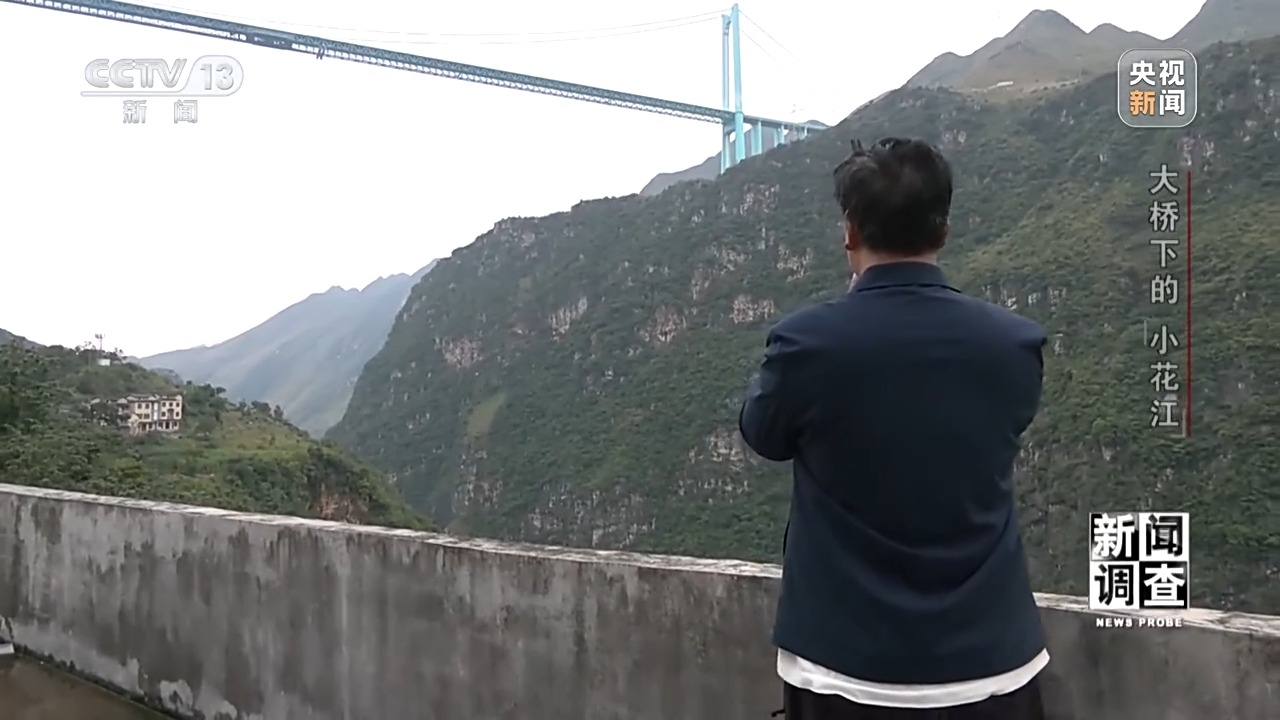
新闻调查丨世界第一高桥下 沉睡的“小花江”焕发新活力
Yang Shi Xin Wen· 2025-11-29 22:51
Core Insights - The construction of the Huajiang Grand Canyon Bridge, the highest bridge in the world, has revitalized the traditional Bui ethnic village of Xiaohua River in Guizhou, attracting tourists and encouraging young residents to return home [1][10][31] - The bridge has created significant economic opportunities for both Xiaohua River and the surrounding Qiannan Prefecture, enhancing local tourism and commerce [1][31] Group 1: Economic Impact - The bridge's opening has led to an influx of tourists, with Xiaohua River experiencing a surge in visitors, reaching 220,000 during the National Day holiday in 2025, resulting in a shortage of accommodation [27][29] - Local residents, such as Liang Fei and Liang Dequan, have returned to the village to capitalize on the tourism boom, with plans to establish homestays and renovate properties [10][15] - The bridge has connected various tourist attractions in Guizhou, forming a golden tourism route that enhances regional economic integration [31] Group 2: Community Development - The village of Xiaohua River, previously isolated, is undergoing transformation with infrastructure improvements and increased economic activities driven by tourism [1][15][25] - Local government initiatives have focused on adjusting rural industry structures and developing tourism resources, leading to the village's successful poverty alleviation [15][19] - The community is actively engaged in renovations and preparations to accommodate the growing number of visitors, including the construction of parking facilities [25][27] Group 3: Cultural Preservation - The village maintains its traditional Bui culture, with ongoing practices such as handmade cloth production and local culinary traditions, which are now being promoted to tourists [10][22][23] - Entrepreneurs like Yang Fan are investing in local crafts, such as Bui embroidery, to preserve cultural heritage while also contributing to the local economy [22][23] Group 4: Infrastructure Development - The bridge's construction included innovative features like a water curtain show, utilizing natural water sources discovered during the building process, enhancing the tourist experience [33][35] - Plans are underway for additional infrastructure, including a new road connecting the bridge to Xiaohua River, aimed at improving accessibility and managing tourist traffic [29][37]

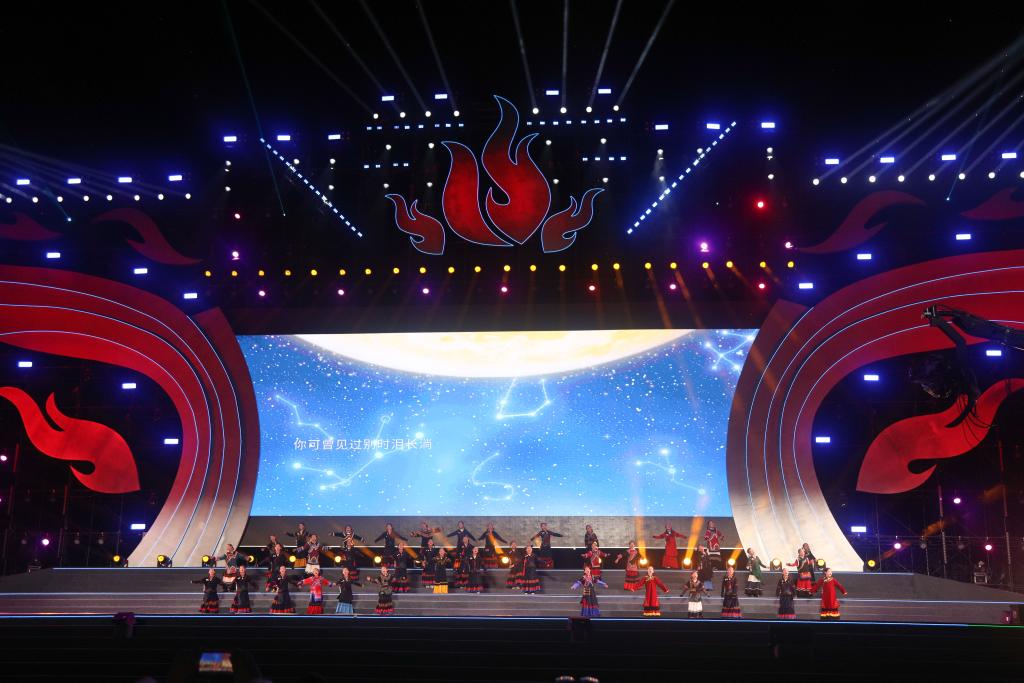
新华全媒+丨彝族火把节燃情大凉山夏日
Xin Hua She· 2025-07-20 08:45
Core Points - The Liangshan Yi Autonomous Prefecture in Sichuan held the opening ceremony of the 2025 Yi Torch Festival, showcasing unique ethnic performances from 14 indigenous groups, attracting numerous tourists and igniting summer cultural tourism enthusiasm [1][2][4] Cultural Significance - The Yi Torch Festival is one of the most representative traditional festivals of the Yi ethnic group and has been included in the first batch of national intangible cultural heritage representative projects, with a history of over a thousand years [2] Event Highlights - The "Torch Carnival Night" featured 88 bonfires along a 4.8-kilometer street, with over 240,000 participants celebrating the festival by waving torches and chanting greetings in the Yi language [2][4] - The event included traditional dances and performances, showcasing the rich cultural heritage and unique products from the 17 counties of Liangshan [5][7] Tourism Impact - The festival significantly boosted local tourism, with popular destinations like Qionghai Wetland and Lugu Lake seeing increased visitor numbers, and the local railway service adjusting to accommodate the surge in travelers [4][7] - The local government emphasized the integration of culture and tourism, promoting various activities such as traditional performances, competitions, and food tasting to enhance the festival experience [7]