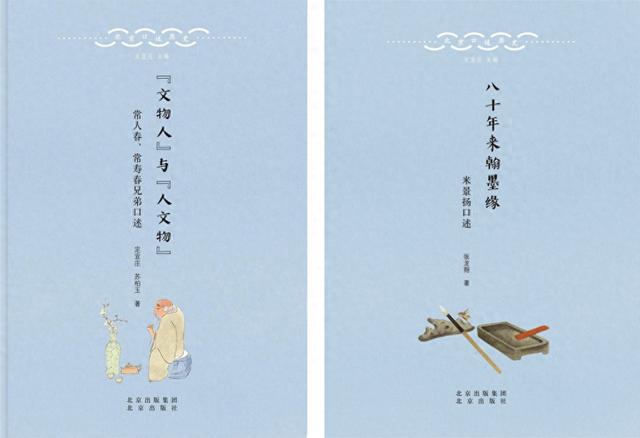
常寿春兄弟口述》

Search documents
年度阅读|故事与历史之间:叙事的可能性
Xin Lang Cai Jing· 2026-02-20 02:10
Core Viewpoint - The article reflects on the author's reading experiences over the past year, emphasizing the value of both new and old books, and the importance of not missing out on quality literature regardless of its publication date. Group 1: Reflections on Reading - The author notes a dichotomy in readers' opinions about the abundance of good books, suggesting that while many new books are published, their "flowering period" is short, leading to many quality works being overlooked [1] - The author expresses a belief that the distinction between new and old books is less significant than the timing of their discovery by readers [1] Group 2: Notable Books - Two oral history books, "The 'Cultural Relics People' and 'Human Cultural Relics': The Oral History of Chang Renchun and Chang Shoushun" and "Eighty Years of Ink Affinity: The Oral History of Mi Jingyang," are highlighted for their rich content and unique perspectives [2][4] - The oral histories provide insights into the personal experiences of the narrators against the backdrop of significant historical changes, illustrating the fragility of individual lives during turbulent times [4][5] - The author emphasizes the importance of the scholars who record and organize these oral histories, ensuring their reliability and depth [6] Group 3: Fiction Recommendations - The article mentions several notable novels, including Flannery O'Connor's "Everything That Rises Must Converge," which is praised for its exceptional short stories that capture a specific atmosphere and emotional depth [7][9] - Lawrence Block's "Eight Million Ways to Die" is recognized for its storytelling and the unique portrayal of New York's dark and complex nature during the 1970s and 1980s [10] - Robert Harris's "The Secret Conference" is noted for its engaging narrative style and the clever use of historical elements to create suspense and character depth [11][12] Group 4: Historical Writing Insights - The article discusses the reprint of "Life is a Journey: The Style and Spirit of Wei-Jin Scholars" by the late Xiao Huarong, which offers a comprehensive narrative on Wei-Jin philosophy and its key figures [14][15] - The author appreciates the book's ability to present complex philosophical ideas in an accessible manner, distinguishing it from other works in the genre [15]