
开源文本大模型M2

Search documents
从“杭州六小龙”到“上海五朵金花”——AI企业批量上市潮背后的培育逻辑之变
Xin Hua Cai Jing· 2026-01-21 08:09
Core Insights - The beginning of 2026 marks a significant surge in the AI industry in Shanghai, with five major AI companies going public within a month, showcasing a comprehensive industrial chain from GPU chips to biomedicine [1] - Unlike the "spot explosion" seen in Hangzhou's AI cluster, Shanghai's IPO wave demonstrates a rare depth and systemic collaboration across various sectors [1] - Three of the five IPO companies are from the Lingang Group's industrial park, which has gathered over 1,600 AI enterprises, achieving an industry scale exceeding 100 billion yuan [1] Group 1 - The AI industry in Shanghai is experiencing a concentrated explosion, with five companies including Wallen Technology and TianShu ZhiXin successfully listing [1] - The previous notable AI cluster was the "Six Little Dragons" in Hangzhou, but Shanghai's listing wave covers a complete industrial chain, indicating systemic collaboration [1] - The Lingang Group's industrial park has been pivotal in nurturing these companies, focusing on long-term development rather than chasing fleeting trends [2][4] Group 2 - The success of AI companies like TianShu ZhiXin and Wallen Technology is attributed to a decade-long systematic layout in the integrated circuit industry, initiated around 2013 [5] - The park has strategically attracted leading companies in various fields, forming a robust semiconductor industry cluster that avoids low-level homogenization [5] - The focus on high-value upstream design and downstream application scenarios has led to a clear industrial structure, with successful IPOs reflecting years of concentrated effort [5] Group 3 - The growth of companies is not linear; their needs evolve through different stages, from initial support to market validation and global talent acquisition [6] - The Lingang Group has established a full lifecycle nurturing system to support companies at various growth stages, providing tailored resources and assistance [6] - Wallen Technology's journey illustrates the importance of timely support from the park, which helped the company navigate financial challenges and achieve significant milestones [6] Group 4 - MiniMax, a young AI company, has rapidly established itself, breaking industry norms with its strategic positioning and market approach [7][8] - The company has achieved notable success with its open-source text model, becoming a leading product in the global market [7] - The entrepreneurial culture in the Caohejing area fosters collaboration and resource sharing among companies, enhancing growth opportunities [8] Group 5 - The Caohejing area is becoming a hub for AI innovation, with significant investments from leading companies like Chery and Mihayou, focusing on AI applications in various sectors [9][10] - The collaboration between traditional leaders and new AI companies is facilitated by the park's ecosystem, promoting mutual growth and innovation [10] - The shift in focus from mere policy incentives to providing real-world testing environments is reshaping the competitive landscape for industrial parks [11] Group 6 - The Lingjing Lab in Caohejing exemplifies the transformation of industrial parks into practical testing grounds for AI technologies, fostering innovation through collaboration [11][12] - The park is also developing a unique spatial computing platform that integrates advanced models, supporting the digital economy and regional development [13] - The park's commitment to using its own facilities for testing and validating technologies helps reduce market trial costs for companies [13]

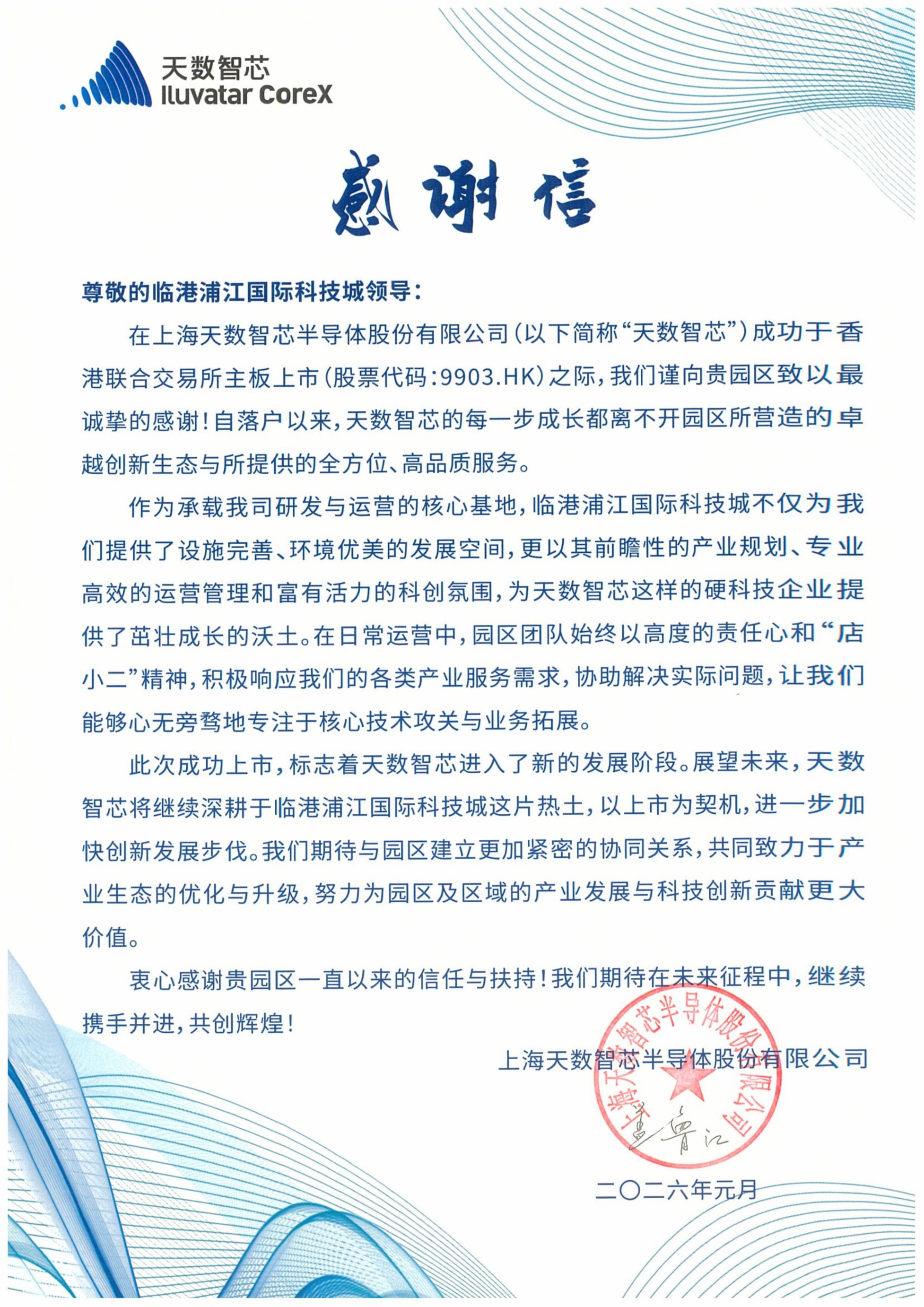
城记丨从“杭州六小龙”到“上海五朵金花”——AI企业批量上市潮背后的培育逻辑之变
Zhong Guo Jin Rong Xin Xi Wang· 2026-01-21 08:08
Core Insights - The AI industry in Shanghai is experiencing a significant surge, with five major AI companies going public within a month, showcasing a comprehensive industrial chain from GPU chips to biomedicine [1][4] - The success of these IPOs is attributed to a decade-long commitment to nurturing the AI ecosystem, emphasizing long-term strategies over short-term trends [4][5] Group 1: AI Industry Growth - Five AI companies, including Wallen Technology and TianShu ZhiXin, have recently gone public, indicating a robust growth in Shanghai's AI sector [1] - The Shanghai AI listing wave contrasts with the previous "Six Little Dragons" in Hangzhou, as it demonstrates a more systematic and deep industrial collaboration [1][4] Group 2: Long-term Strategy and Ecosystem - The development of AI companies in Shanghai is a result of a strategic focus on long-term growth, with a systematic layout initiated ten years ago in the integrated circuit industry [4][5] - The establishment of the Pujiang International Technology City has attracted over 1,600 AI companies, contributing to an industry scale exceeding 100 billion yuan [1][4] Group 3: Support and Infrastructure - The Pujiang International Technology City provides a full lifecycle support system for companies, from incubation to market validation and global talent acquisition [6][8] - Companies like Wallen Technology have benefited from timely financial support and resources, enabling them to overcome challenges during critical development phases [6][8] Group 4: Innovative Ecosystem - The collaboration between traditional industry leaders and new AI startups fosters a symbiotic ecosystem, enhancing innovation and market competitiveness [12] - The establishment of AI innovation towns in Shanghai, such as the Beiyang AI Innovation Town, aims to create a global hub for AI development, attracting leading companies and fostering collaboration [11][12] Group 5: Market Transition - The focus is shifting from mere policy incentives to providing real-world testing environments for AI technologies, marking a new era in industrial park competition [13][15] - The Lingjing Laboratory in the Caohejing Development Zone exemplifies this shift by offering a platform for immersive XR innovation and collaboration with industry partners [13][15]
