普通运输车

Search documents
在战场上开车送“快递”有多难?不仅要防炮火 还得会反无人机
Yang Shi Xin Wen· 2025-10-16 07:28
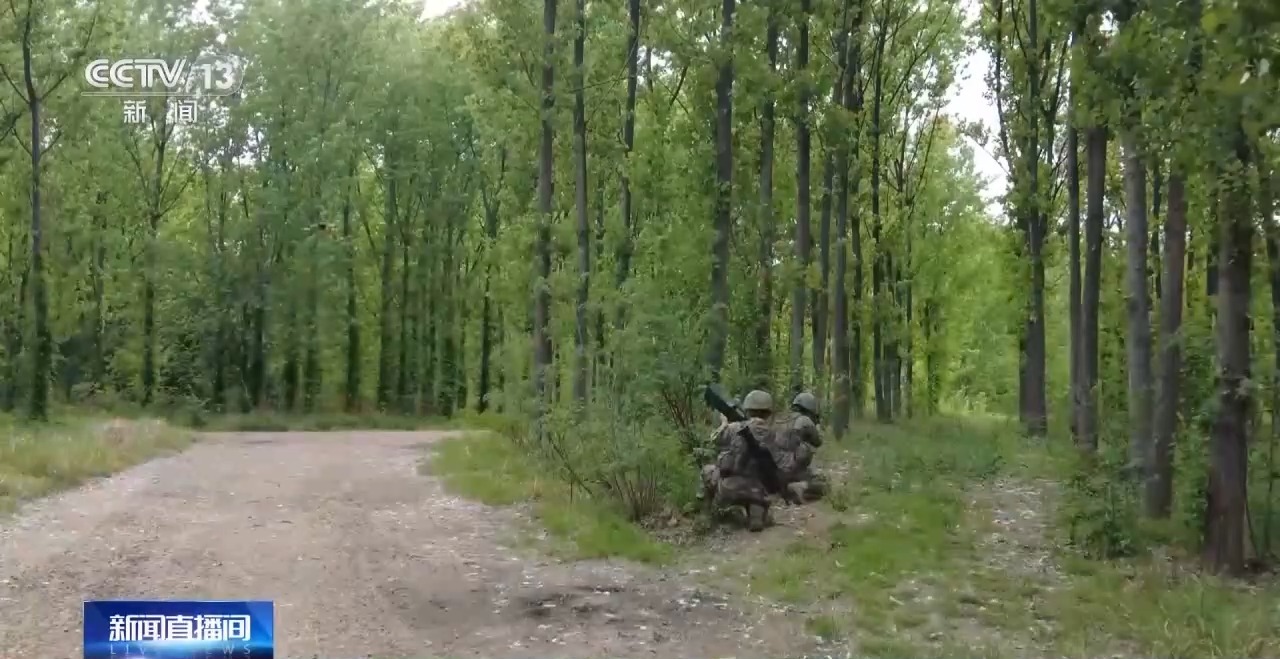
Core Viewpoint - The recent training exercise conducted by a certain army brigade in northern Anhui focused on testing the comprehensive support capabilities of troops in complex battlefield environments [1] Group 1: Training Objectives and Execution - The training involved a mixed formation of heavy equipment transport vehicles and ordinary transport vehicles, simulating real combat conditions with 15 types of complex terrains such as bomb craters, waterlogged areas, and steep slopes [2] - Ordinary transport vehicles were utilized for the rapid delivery of consumables like ammunition, fuel, and supplies, while heavy transport vehicles were responsible for the battlefield mobility of main battle tanks and self-propelled artillery [2][6] - During the exercise, the transport unit faced unexpected situations such as damaged bridges, enemy ambushes, and vehicles that were incapacitated [2] Group 2: Tactical Adaptation and Night Operations - Reconnaissance teams detected enemy drone activity, prompting soldiers to employ tactical evasion and camouflage techniques for their vehicles [4] - A counter-drone team successfully shot down an incoming drone, demonstrating the unit's adaptability to threats [4] - Night training included overcoming visibility limitations and fatigue while conducting operations such as night communication equipment usage and convoy movement [4] Group 3: Equipment Utilization and Operational Efficiency - The training effectively combined the capabilities of heavy and ordinary transport vehicles, enhancing overall operational efficiency [7] - Heavy transport vehicles, designed for transporting large military equipment, typically have a load capacity exceeding 50 tons and are equipped with specialized features for stability in complex terrains [7] - Ordinary transport vehicles, while having a lower load capacity, excel in tactical mobility and versatility, making them suitable for personnel transport and logistical support in challenging environments [9] Group 4: Driver Training and Skill Development - The training for army vehicle drivers is distinct from civilian driver training, focusing on battlefield survival and tactical maneuvering [12] - The driver training program consists of three progressive stages: simulation training, field training in complex terrains, and road driving in near-combat scenarios [14] - Each training module is designed to align directly with future battlefield requirements, ensuring that drivers are well-prepared for real combat situations [12][14]