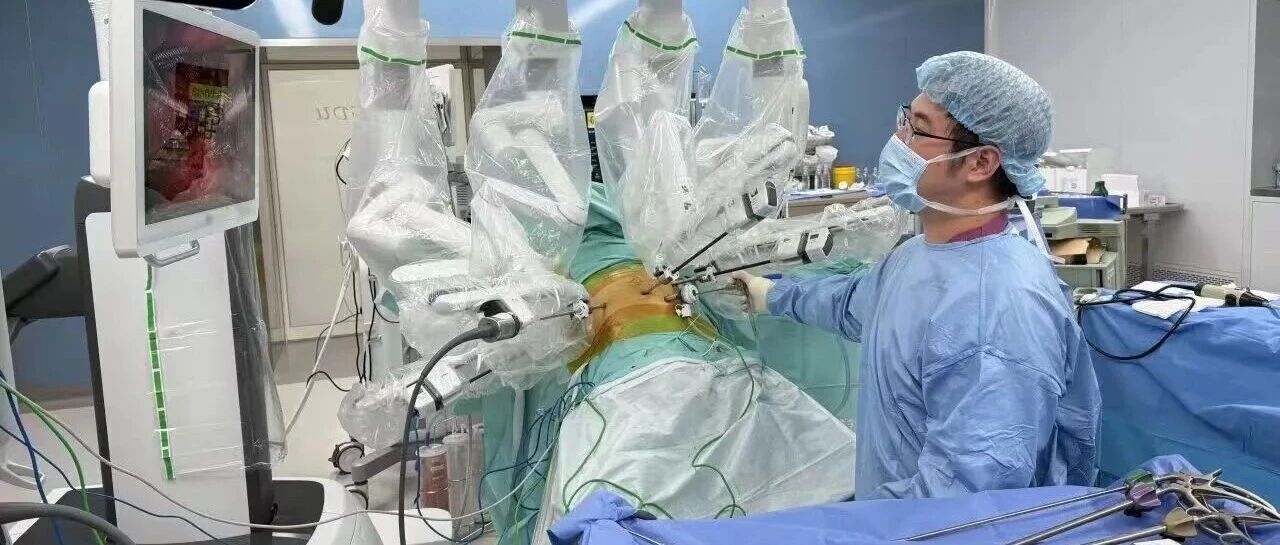
机器人胰腺手术

Search documents
上海医疗品牌在国际领域的知名度、含金量持续上升 来华旅游顺道看病 上海国际医疗受青睐
Jie Fang Ri Bao· 2026-02-27 01:33
Core Viewpoint - The expansion of visa-free access in China has led to a significant increase in international medical tourism, particularly in Shanghai, which is becoming a preferred destination for foreign patients seeking advanced medical care [1][2]. Group 1: International Medical Tourism Growth - Shanghai has rich medical resources and has launched international medical pilot programs in both public and private hospitals since 2020, enhancing its global medical brand recognition [1]. - The implementation of the local standard for international medical services in Shanghai in 2024 is expected to further elevate the city's medical reputation internationally [1]. Group 2: Patient Experiences and Success Stories - Kevin, a Chinese doctor practicing in Canada, brought his daughter to Shanghai for a complex robotic pancreatic surgery, which was successful and preserved her spleen, showcasing the advanced medical capabilities in Shanghai [2][3]. - Zara, a Brazilian girl, underwent a significant reconstructive surgery at Shanghai Ninth People's Hospital, allowing her to walk independently and wear matching shoes for the first time, highlighting the hospital's expertise in complex cases [4]. Group 3: Specialized Medical Services - Shanghai hospitals are increasingly utilizing social media to connect with international patients, providing remote consultations and personalized treatment plans [2][6]. - The Shanghai Ninth People's Hospital has received patients from over 20 countries, demonstrating its international reach and the effectiveness of its medical services [3][6]. Group 4: Unique Offerings in Traditional Chinese Medicine - Shanghai's traditional Chinese medicine institutions are developing international departments to cater to foreign patients, offering unique experiences such as acupuncture and herbal treatments [5]. - The establishment of the international medical department at Shanghai University of Traditional Chinese Medicine aims to showcase the advantages of traditional medicine in chronic disease management and rehabilitation [5]. Group 5: Innovative Medical Practices - Shanghai hospitals are adopting a "technology + service" model to provide efficient and personalized care for international patients, including remote follow-ups and collaboration with overseas medical institutions [6]. - The Shanghai Ninth People's Hospital has established partnerships with 21 insurance companies to facilitate seamless payment processes for international patients, enhancing their overall experience [6]. Group 6: Private Hospital Developments - Private medical institutions in Shanghai, such as Baohui Medical, are carving out unique roles in the international medical landscape, serving patients from 77 countries and focusing on personalized care [7][8]. - Baohui Medical is implementing rapid diagnostic and treatment models to cater to the needs of international patients with tight schedules, optimizing their medical experience [8]. Group 7: Advanced Eye Care Services - Shanghai Puri Eye Hospital has attracted international patients seeking advanced cataract surgeries, with its leading experts recognized globally for their innovative techniques [9][10]. - The hospital aims to compete with public institutions by offering specialized services and advanced technology, contributing to the growth of Shanghai's international medical sector [10].
从老外来华求诊热看国际医疗市场格局的演变
Di Yi Cai Jing· 2026-02-11 12:11
Core Insights - The trend of foreign patients seeking medical treatment in China, particularly in Shanghai, has significantly increased during the "14th Five-Year Plan" period, indicating a profound evolution in the international healthcare market [1][2]. Group 1: International Medical Tourism - The influx of foreign patients seeking treatment in Shanghai reflects the expansion of China's openness in the healthcare sector, with international health tourism being recognized as a competitive advantage since the "Healthy China 2030" initiative [2][3]. - Shanghai has initiated pilot programs for international medical tourism in both social medical institutions and public hospitals, with plans to introduce local regulations for international medical services by 2024 [2][4]. Group 2: Growth Statistics - In the first half of 2024, Shanghai's medical institutions served 4,128 foreign and Hong Kong, Macau, and Taiwan patients, marking a 24.3% increase compared to 2023, although this still represents a small fraction of the millions of annual hospitalizations in the city [3]. - By 2025, the number of international patients treated in key hospitals across China is projected to reach 1.28 million, a 73.6% increase from three years prior, with pure medical foreign patients reaching 413,000, a 63% increase [5][9]. Group 3: Cost and Quality Advantages - The cost disparity between medical services in China and countries like the United States is significant, with procedures in China being substantially cheaper, thus attracting foreign patients seeking high-quality yet affordable healthcare [5][9]. - Chinese hospitals have achieved international standards in various medical fields, with successful case studies demonstrating advanced techniques and high success rates comparable to leading global institutions, such as robotic surgeries [7][8]. Group 4: Efficiency and Systemic Improvements - The efficiency of the Chinese healthcare system is a key competitive advantage, with patients often receiving same-day consultations and treatments, contrasting sharply with the lengthy wait times typical in Western healthcare systems [9][10]. - By the end of 2025, China plans to establish international medical tourism pilot zones in eleven regions, implementing policies to facilitate cross-border healthcare access and streamline the process for foreign patients [11].
调查|加拿大医生携幼女来沪求医,花16万元“保脾”!中国医疗不止性价比
Di Yi Cai Jing· 2026-01-25 15:41
Core Viewpoint - The article highlights the increasing trend of international patients seeking medical treatment in China, particularly due to advanced medical technologies and innovative surgical techniques that are often not available in their home countries [1][10]. Group 1: Case Study of International Patient - A Chinese-Canadian family chose to have their daughter undergo a complex robotic pancreatic tumor surgery at Ruijin Hospital in Shanghai, opting for a procedure that preserved her spleen, unlike the recommended treatment in Canada [1][2][3]. - The family was impressed by the advanced medical capabilities in China, noting that the surgical team successfully removed the tumor while preserving the spleen, showcasing the hospital's leading-edge technology and medical philosophy [3][5]. Group 2: Medical Technology and Innovation - Chinese hospitals have rapidly adopted advanced technologies, such as robotic surgery and gene therapy, which have attracted international patients seeking specialized treatments [8][12]. - The article mentions that over the past decade, Ruijin Hospital's surgical team has treated more than 500 patients with solid pseudopapillary tumors using robotic techniques, indicating a high level of expertise in this area [4]. Group 3: International Patient Trends - There is a growing trend of international patients coming to China for medical treatment, driven by the country's advanced medical technology and the ability to receive timely care without long waiting periods [6][10]. - Experts believe that the influx of international patients will likely continue to rise, as China's healthcare system demonstrates efficiency and cost-effectiveness compared to many Western countries [11][12]. Group 4: Future Prospects and Recommendations - Experts suggest that to further attract international patients, China should enhance its medical service infrastructure and establish supportive policies to facilitate easier access to healthcare [13][14]. - The potential market for foreign patients is significant, and there is a call for better marketing and operational strategies to promote China's medical services internationally [13].
加拿大医生携幼女来沪求医,花16万元“保脾”
第一财经· 2026-01-25 11:09
Core Viewpoint - The article highlights the advancements in China's medical technology, showcasing a case where a Canadian family chose to undergo a complex robotic pancreatic tumor surgery in Shanghai, which allowed them to preserve their child's spleen, contrasting with the treatment options available in Canada [2][4][5]. Group 1: Case Study of the Canadian Family - A Chinese-Canadian family traveled to Shanghai for a high-difficulty robotic pancreatic surgery for their daughter, who was diagnosed with a rare pancreatic tumor [3][4]. - The family opted for treatment in China after being informed by Canadian doctors that the surgery would require the removal of the spleen, which they found unacceptable for their young daughter [4][5]. - The surgery was successfully performed at Ruijin Hospital, where the medical team utilized advanced robotic techniques to remove the tumor while preserving the spleen [5][6]. Group 2: Medical Technology and Global Standing - Experts interviewed emphasized that China's medical technology is on par with, and in some areas leading, that of developed countries [2][6]. - The article notes that the use of robotic surgery in China has been extensive, with over 500 cases of similar tumors treated in the past decade [6]. - The rapid development and application of advanced medical technologies in China are attracting international patients, as they seek high-quality care that may not be available in their home countries [10][19]. Group 3: Trends in International Medical Tourism - There is a growing trend of international patients seeking treatment in China, driven by the country's advanced medical capabilities and the efficiency of its healthcare system [10][18]. - Many overseas patients are well-informed about China's medical advancements through social media and online platforms, facilitating their decision to seek treatment [10][18]. - Experts believe that the influx of international patients will likely increase, especially with the easing of visa restrictions and the establishment of better support systems for foreign patients [20][21].