校本课程

Search documents
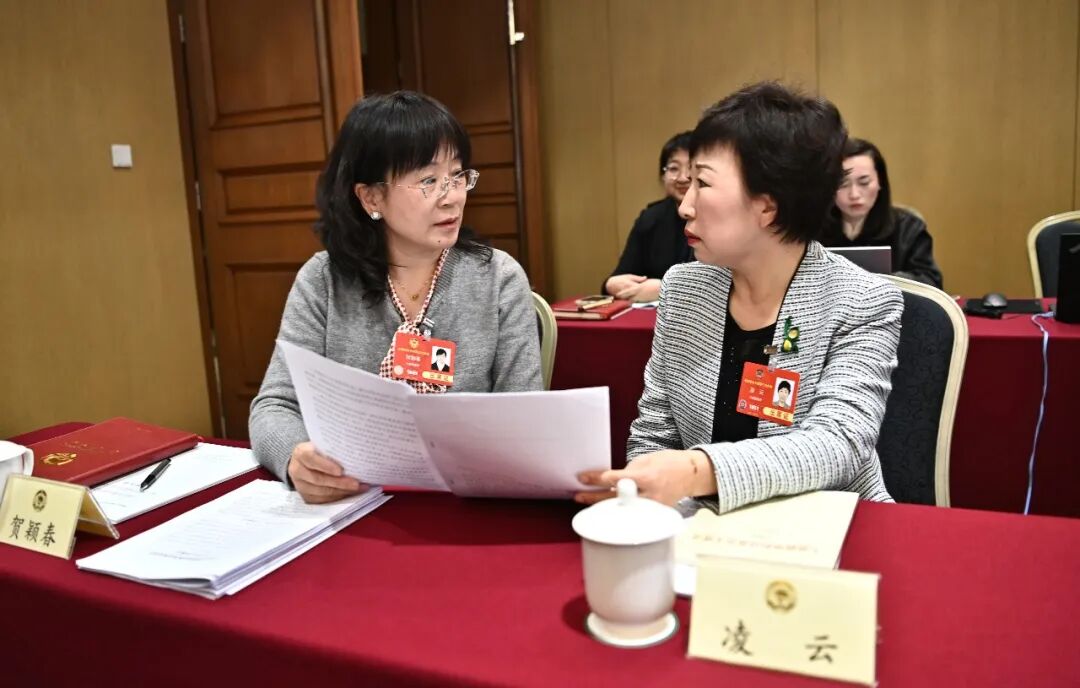
履职一年间 | 贺颖春委员:让民族团结的种子在孩子们心中生根发芽
Xin Lang Cai Jing· 2026-01-31 11:13
Group 1 - The core viewpoint emphasizes the importance of education in fostering a sense of national unity among youth, particularly in ethnic regions [3][4] - The integration of local resources and cultural stories into the curriculum is highlighted as a method to deepen students' understanding of national identity and cultural recognition [4][5] - The establishment of diverse practical platforms for students, including community engagement and cultural exchange, is noted as a strategy to extend education beyond the classroom [4][5] Group 2 - The formation of the "Pomegranate Seed" choir is presented as a significant achievement, promoting unity among students of different ethnic backgrounds through music [5] - The incorporation of traditional and modern educational practices, such as combining sports and cultural education, is discussed as a means to instill responsibility and teamwork in students [5] - The commitment to continue innovative educational practices to nurture a sense of national identity among the youth is reaffirmed for the upcoming year [5]

学术探讨|数字技术赋能优秀传统文化传承方式创新
Xin Lang Cai Jing· 2026-01-12 22:06
Core Viewpoint - The rapid development of digital technology provides a broad space for the inheritance and development of excellent traditional Chinese culture, emphasizing a deep integration of culture and technology for innovative transmission and support for technological innovation [1][2]. Group 1: Content Innovation - The key to innovatively inheriting traditional Chinese culture lies in finding the intersection between traditional culture and contemporary needs, utilizing digital technology to present a new image that resonates with modern audiences [1][2]. - High-quality cultural works should attract audiences through refined expressions of traditional culture, using formats like series and thematic presentations to maintain the essence of traditional culture while making it more accessible [2]. Group 2: Content Presentation - Digital technology should be leveraged to create interactive applications and cultural products related to traditional Chinese culture, such as online games, animations, and audio books, to modernize and popularize traditional culture [2][3]. - Cultural exchange digital platforms should be established to enhance the visibility of digital performances and cultural events, utilizing modern communication methods to engage audiences in cultural experiences [2][3]. Group 3: Content Distribution - Lightweight cultural content should be promoted based on the characteristics of different distribution platforms, such as Xiaohongshu focusing on lifestyle integration and Douyin emphasizing immediate engagement through storytelling and interactive media [3]. - The optimization of cultural experiences through digital technology allows for immersive and interactive connections, enhancing the overall cultural experience for audiences [3][4]. Group 4: Technological Integration - The integration of advanced technologies like VR and AI can create realistic learning experiences of traditional Chinese culture, allowing audiences to engage with historical contexts in a more tangible way [4]. - Utilizing generative AI tools can foster a collaborative ecosystem for traditional culture dissemination, enabling users to create content that promotes digital civilization and enhances the influence of traditional culture in the digital age [4].
来自浙江及省内各地的帮扶力量汇聚 让优质教育资源在甘孜生根发芽
Si Chuan Ri Bao· 2025-07-15 07:39
Group 1: Educational Support and Reform - The article highlights the educational support provided to Ganzi Prefecture, where various assistance teams from Zhejiang and other regions have been deployed to improve local education through curriculum reform, teacher training, and information technology development [5][8] - The implementation of "school-based courses" tailored to local cultural contexts has been emphasized, with teachers creating bilingual materials that resonate with students' backgrounds, such as integrating Tibetan proverbs and local flora and fauna into lessons [6][7] - The establishment of a "one school, one policy" approach has led to the development of unique course systems in local schools, enhancing students' learning experiences and increasing graduation rates [8] Group 2: Teacher Development and Collaboration - The article discusses the creation of "master teacher studios" aimed at enhancing the capabilities of local teachers through mentorship and collaborative teaching practices [9][10] - A significant challenge noted is the limited number of support teachers available, with only around 200 teachers assisting multiple local educators, necessitating innovative solutions to maximize impact [10] - The article mentions the establishment of 46 "master teacher studios" to facilitate ongoing professional development for local teachers through workshops, lectures, and peer observations [10][11] Group 3: Remote Education Initiatives - The introduction of online courses has been a key strategy to bridge educational gaps caused by geographical barriers, with over 367 schools benefiting from remote education initiatives that have reached more than 100,000 students [12] - The "dual-teacher classroom" model has been adopted to ensure that local teachers can support students in understanding content delivered by remote instructors, thereby enhancing both student learning and teacher skills [12] - The article emphasizes the importance of integrating external educational resources with local teaching practices to ensure sustainable development of educational quality in Ganzi Prefecture [12] Group 4: Vocational Education Collaboration - The article outlines a vocational education collaboration mechanism between Ganzi and Zhejiang, aimed at providing more career opportunities for students from remote areas [13][14] - The "2+1+2" segmented training model allows students to receive local training followed by further education in Zhejiang, addressing the mismatch between regional educational resources and labor market needs [14] - This initiative has enrolled 240 students, with a focus on aligning educational outcomes with the demand for skilled labor in economically developed regions [14]