植入式脑部采集刺激系统

Search documents
通大附院成功实施脑机接口技术,用科技唤醒失去的功能
Yang Zi Wan Bao Wang· 2025-09-26 02:47
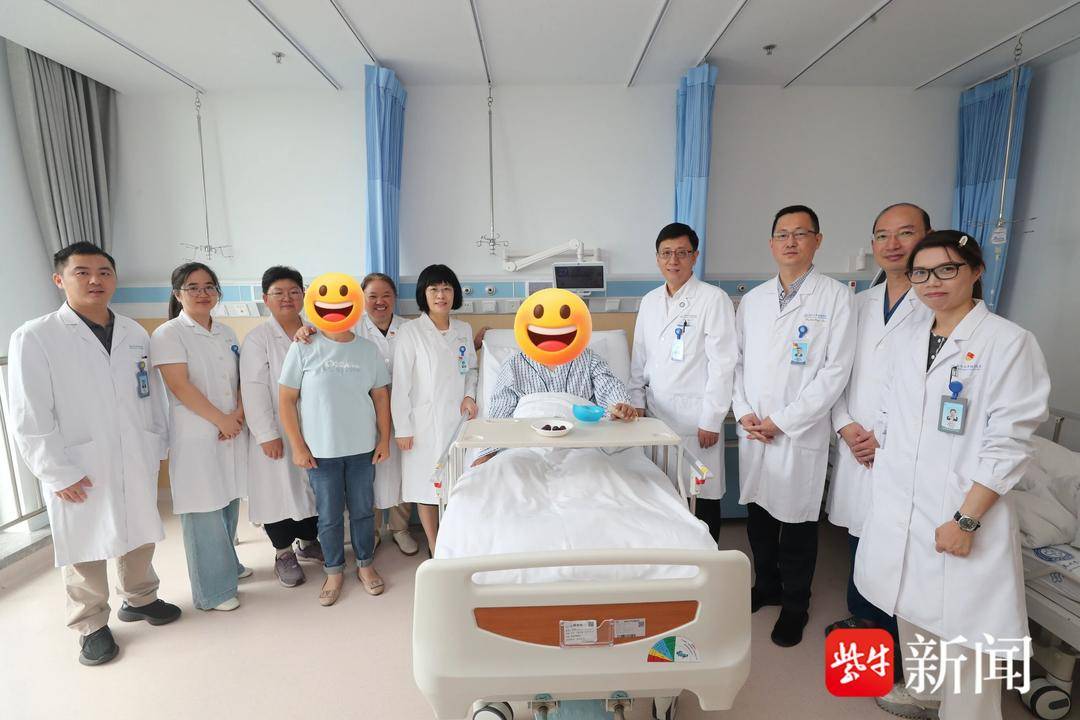
Core Insights - The article highlights the successful implementation of a semi-invasive brain-machine interface (BMI) surgery at Nantong University Affiliated Hospital, marking a significant advancement in rehabilitation for spinal cord injury patients [1][4][5] - The technology allows for direct communication between the brain and external devices, facilitating recovery for patients with severe motor impairments [3][7] Group 1: Technological Innovation - Brain-machine interface technology is rapidly evolving, enabling real-time interaction between the brain and devices, which is crucial for rehabilitation in spinal cord injury patients [3][7] - The hospital's clinical research on BMI has attracted thousands of inquiries from patients nationwide, indicating a strong demand for such innovative treatments [3] Group 2: Surgical Procedure and Outcomes - The surgery involved precise placement of electrodes using robotic assistance, ensuring high-quality signal acquisition while minimizing risks associated with invasive procedures [4] - Following the surgery, patients have shown remarkable recovery, with one patient able to perform tasks such as grasping objects with their hands after extensive rehabilitation [1][4] Group 3: Multidisciplinary Collaboration - The success of the BMI surgeries is attributed to the collaborative efforts of various medical specialties within the hospital, including neurosurgery, neurology, and rehabilitation [5] - The establishment of a dedicated "brain-machine interface and neuro-regulation research ward" signifies a commitment to integrating advanced technologies for patient care [6] Group 4: Future Prospects - The hospital aims to further develop and apply breakthrough technologies in clinical settings, enhancing the quality of life for patients with neurological disorders [7] - Significant financial investments are being made to support the advancement of brain-machine interface technologies and related medical innovations [5][7]