泥膜

Search documents
X @Yuyue
Yuyue· 2026-04-07 08:51
养了猫之后,才知道可爱真的能当饭吃!小猫每天滚在地上负责卖萌就能救赎人类这个颜值的时代,不要增加别人想要了解你的成本 https://t.co/lLLxTmCJ3PShirley | AI & Crypto (@shirleyusy):最近沉迷张凌赫无法自拔,转头看自己的老公感觉也算可塑之才,只是清秀的脸庞上黑头太多。给他先用这个黑头导出液敷十几分钟,然后用铲铲刮一刮。紧接着用这个泥膜再来二十分钟,搞完之后清爽白皙。对抗ai革命唯一的出路就是好身材和好面孔,无论男女一定要在这里卷起来。毕竟你的脑子肯定是拼不过的 https://t.co/uwB1tmEY4i ...
中国化妆品出击东南亚,告别便宜没好货
日经中文网· 2025-03-08 06:27
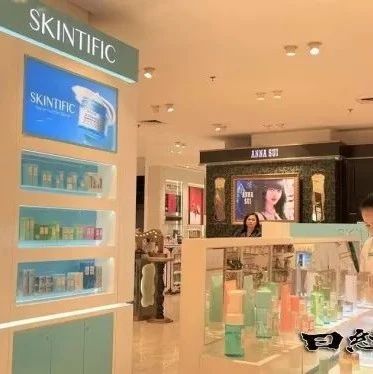
Core Viewpoint - Chinese cosmetic brands are aggressively expanding into Southeast Asia, particularly targeting young consumers with localized products and competitive pricing, as the perception of "cheap Chinese products" is changing [1][3]. Group 1: Market Performance - Skintific has gained significant traction in Southeast Asia, with over 5% market share in Indonesia's beauty category on Shopee by 2024, outperforming popular Korean brands [2]. - The main product, a cushion foundation, is priced around 150,000 Indonesian Rupiah (approximately 66.43 RMB), often available at half price on e-commerce platforms, making it attractive compared to higher-priced foreign brands [2]. - The Southeast Asian cosmetics market is projected to grow, with estimates indicating a market size exceeding 1 trillion yen by 2024, a 1.3 times increase from 2020 [3]. Group 2: Product Localization - Skintific and JudyDoll focus on developing products that address local skin issues, such as high humidity and strong sunlight, which has garnered widespread support from consumers [2][3]. - JudyDoll has established a product development department for overseas markets, aiming to create products suitable for Southeast Asian skin tones and plans to introduce more region-specific items by 2025 [3]. Group 3: Changing Perceptions - The negative perception of Chinese products is diminishing, with local consumers increasingly recognizing the quality of Chinese cosmetics, influenced by cultural content such as Chinese dramas [3]. - There are concerns regarding the transparency of Chinese brands in terms of safety and ingredient disclosure compared to Western and Japanese brands, which may affect consumer trust [4].