矿泉水瓶

Search documents
用空瓶装厨房调料,会损伤健康吗?
Yang Shi Xin Wen· 2025-09-14 10:49
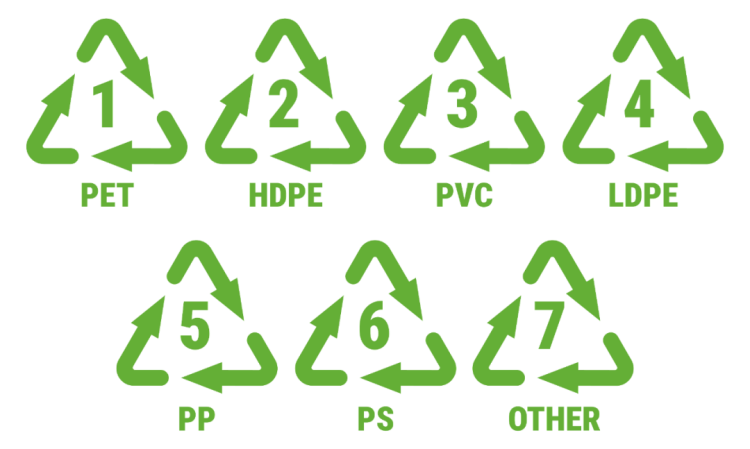
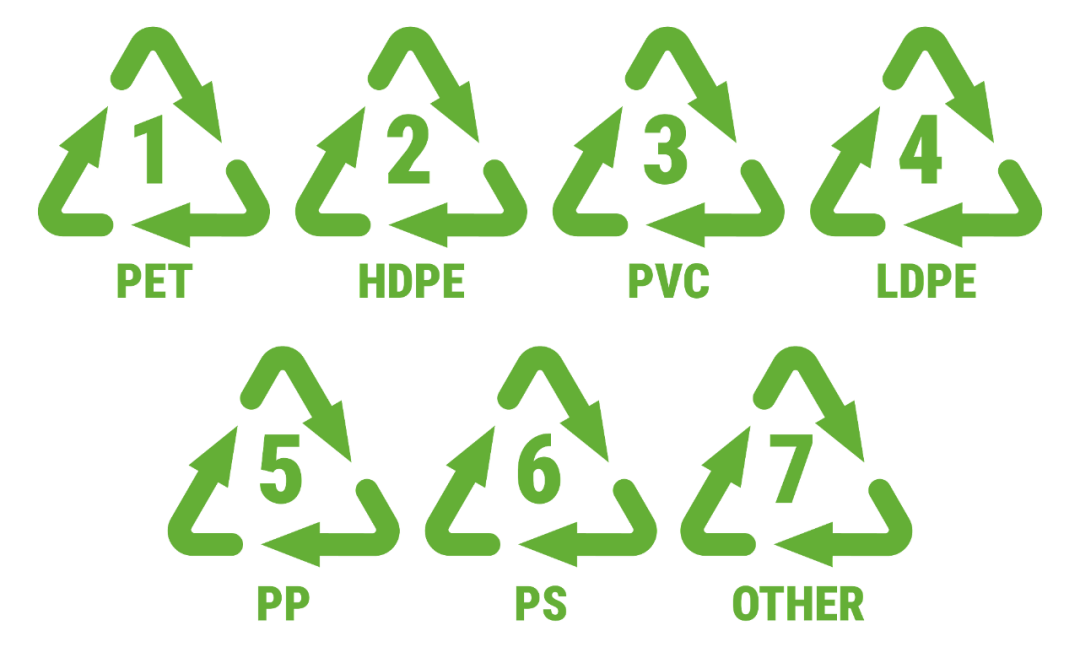
Core Viewpoint - The article highlights the health risks associated with the reuse of plastic bottles, particularly PET bottles, which are commonly used for beverages and food storage. Group 1: Health Risks of Reusing Plastic Bottles - Reusing beverage and mineral water bottles may seem environmentally friendly but poses significant health risks [2] - PET plastic, commonly used for beverage bottles, is safe under specific conditions but can become unsafe if reused or stored improperly [5][6] - Changing the contents of PET bottles can lead to the release of harmful substances, especially when storing acidic liquids like vinegar [7][8] Group 2: Temperature and Aging Effects - PET is not heat-resistant and should not be used for liquids above 70°C, as high temperatures can cause deformation and release harmful substances [8] - Prolonged use of PET bottles can lead to aging, increasing the migration of harmful substances into stored food [9][10] Group 3: Types of Harmful Substances - Harmful substances that may migrate from PET bottles include antimony, a toxic metal that can accumulate in the body and cause irreversible damage to organs [11] - Other organic compounds, such as phthalates, are often added to enhance the properties of PET but can disrupt endocrine systems and increase cancer risk [12][13] Group 4: Proper Use of Plastic Products - Different types of plastics have varying safety profiles and should be used according to their specifications to minimize health risks [14][15] - Specific guidelines for various plastics, such as HDPE, PVC, LDPE, PP, PS, and others, indicate their temperature tolerances and suitability for food storage [16][17][18][19][20][21][22]

损害器官、提高患病风险 这种“厨房神器”别再用了!
Yang Shi Xin Wen· 2025-09-11 22:41
Core Viewpoint - The article highlights the health risks associated with the reuse of plastic bottles, particularly PET bottles, which are commonly used for beverages and food storage. It emphasizes that while these bottles are designed for single use, their repeated use can lead to the migration of harmful substances into food and beverages. Group 1: Health Risks of Reusing Plastic Bottles - Reusing beverage and mineral water bottles can pose significant health risks due to the potential migration of harmful substances when they are used for different liquids or stored under inappropriate conditions [5][6][8] - The migration of harmful substances, such as antimony, can increase when bottles are used to store acidic liquids like vinegar, which can alter the pH and enhance the leaching of toxins [5][9] - High temperatures can cause PET bottles to deform and release harmful substances, making them unsafe for storing hot food or liquids [6][10] Group 2: Aging and Degradation of Plastic Bottles - PET bottles have a shelf life, and prolonged use can lead to aging, which increases the migration of harmful substances [8][10] - The accumulation of antimony, a toxic metal used in the production of PET, can lead to irreversible damage to various organs if ingested over time [9][10] Group 3: Types of Plastics and Their Safety - Different types of plastics have varying properties and safety considerations. For example, HDPE can withstand higher temperatures but still poses risks when used for food storage [14] - PVC and LDPE are commonly used in everyday items but are not recommended for high-temperature applications due to the potential release of harmful substances [15][16] - PP is noted as the safest option for food storage, being microwave-safe and suitable for hot food, but caution is advised regarding the lids used with these containers [18]
警惕!夏天随手放车里的这些“小物件”可能毁车伤人
Yang Shi Xin Wen Ke Hu Duan· 2025-08-01 05:09
Core Points - High temperatures in summer can cause car interiors to reach extreme temperatures, often exceeding 70℃, creating hazardous conditions for various items inside the vehicle [1][3] - Incidents of items like cleaning sprays and aromatherapy products exploding in parked cars due to heat have been reported, highlighting the risks associated with leaving such items in vehicles [1][2] - The phenomenon of "lens effect" from certain items, such as bottled water and sunglasses, can lead to ignition and fire hazards within the car [2][4] Group 1 - High temperatures can cause car interiors to become like "mobile ovens," with dashboard temperatures exceeding 80℃ under direct sunlight [3][4] - Items such as lighters and power banks can explode or catch fire when left in hot vehicles, with tests showing significant temperature increases leading to combustion [4][6] - The use of aerosol sprays in cars poses a significant risk, as they can explode when exposed to high temperatures, leading to dangerous situations [5][6] Group 2 - Fire incidents have occurred due to the "convex lens effect" of items like bottled water, which can concentrate sunlight and ignite surrounding materials [2][4] - Recommendations for safely managing vehicle temperatures include using sunshades and ventilating the car before entering, which can lower the internal temperature by 5 to 10℃ [7][8] - Firefighters suggest techniques for quickly cooling down a car after it has been parked in the sun, such as opening windows and using air conditioning effectively [7][8]
降温喷雾,炸飞挡风玻璃!高温下,这些东西都别放车内!
Qi Lu Wan Bao· 2025-06-12 02:55
Group 1 - High temperatures in closed car spaces can exceed 80℃, leading to potential explosions and fires from common items like lighters, perfumes, and power banks [1][5] - A simulation by firefighters showed that lighters can explode within 2 minutes at high temperatures due to the expansion of liquid butane [4][5] - Perfume bottles can eject their nozzles after 20 minutes in high heat, as alcohol inside vaporizes and increases pressure [4][6] Group 2 - Items like sunscreen and aerosol sprays can also explode in high temperatures due to increased internal pressure [6] - A magnifying glass can ignite paper within 40 minutes by focusing sunlight, similar to how other round objects can act as lenses [8] - Power banks can reach temperatures of 137℃ after 50 minutes in a hot car, posing risks of swelling and potential fires, especially if they contain substandard batteries [11] Group 3 - Cooling sprays can cause explosive reactions if used improperly near open flames, as demonstrated in a test where a fire ignited after spraying the product in a closed car [13] - Firefighters advise against leaving items like lighters, perfumes, and power banks in cars during summer to prevent accidents [13]