蒸饼

Search documents
文博日历丨那个吹火的背影,像极了记忆中的年
Xin Lang Cai Jing· 2026-02-20 13:29
Core Viewpoint - The article highlights a series of cultural activities titled "Celebrating the New Year in Museums," organized by CCTV News in collaboration with various museums, showcasing the rich culinary traditions of the Tang Dynasty during the Spring Festival [1]. Group 1: Activities and Exhibitions - From the second to the seventh day of the Lunar New Year, museums are hosting the "Museum New Year Calendar" series of events [1]. - The "Tang Dynasty Kitchen" exhibition at the Wuhan Museum features a recreation of a 1,000-year-old kitchen, emphasizing the vibrant human activity and culinary practices of the time [26]. - The exhibition includes immersive experiences, allowing visitors to engage with the rich cultural heritage and aesthetic beauty of ancient ceramics [28]. Group 2: Culinary Traditions - The Tang Dynasty kitchen is depicted with a clear division of labor, showcasing a "kitchen assembly line" that reflects the era's culinary practices [7]. - Various types of food, including dumplings, mooncakes, and a variety of flatbreads, highlight the diversity of Tang Dynasty cuisine, with an emphasis on lamb as a primary protein source [21][17]. - The article mentions a traditional dessert called "Su Shan," an ancient form of ice cream, illustrating the sophistication of Tang Dynasty desserts [23]. Group 3: Cultural Performances - The museum will host lion dance performances by the Foshan Lion Dance Team from the fifth to the seventh day of the Lunar New Year, enhancing the festive atmosphere [32]. - The combination of martial arts and lion dance performances aims to invigorate visitors and create a lively celebration of the New Year [35].


乐舞声声:五代时期的江南夜宴
Jing Ji Guan Cha Bao· 2025-11-13 03:06
Core Viewpoint - The article explores the cultural and social significance of banquets during the Five Dynasties period, particularly focusing on the famous painting "Night Banquet of Han Xizai," which reflects the lavish lifestyle and the political turmoil of the time [1][11]. Group 1: Historical Context - The Five Dynasties period was marked by political instability, with the Southern Tang dynasty under the rule of Li Yu, who was more interested in arts than governance [1]. - Han Xizai, a prominent official, hosted extravagant banquets to navigate the political landscape, showcasing the intersection of culture and politics during this era [1][11]. Group 2: Banquet Culture - Banquets served as a crucial social activity, transcending mere entertainment to become a vital form of communication among various social classes, from emperors to commoners [1]. - The article describes the evolution of banquet furniture, highlighting the transition from low-foot to high-foot furniture, reflecting changing social aesthetics [2]. Group 3: Musical Elements - Music played a central role in banquets, with instruments like the pipa being prominent, showcasing the evolution of musical styles and instruments during the period [4][5]. - The participation of guests in performances indicates a shift from passive enjoyment to active engagement in the cultural practices of the time [5]. Group 4: Culinary Aspects - The cuisine of the banquets featured local delicacies, particularly seafood, reflecting the agricultural richness of the Jiangnan region [7]. - Various dishes, including fish and game, were staples, with references to historical texts highlighting the importance of food in social gatherings [7][8]. Group 5: Attire and Aesthetics - The article discusses the fashion of the Five Dynasties, which represented a transitional phase between the opulence of the Tang dynasty and the more restrained styles of the Song dynasty [10]. - Attire during banquets was characterized by simplicity and elegance, contrasting with the elaborate styles of previous eras [10]. Group 6: Conclusion and Reflection - The lavishness of the banquets, while culturally significant, also served as a facade for the underlying political instability and personal tragedies faced by figures like Han Xizai [11]. - The article concludes that despite the grandeur of these events, they ultimately reflect a deeper sense of melancholy and the fleeting nature of power and luxury during a tumultuous period in Chinese history [11].
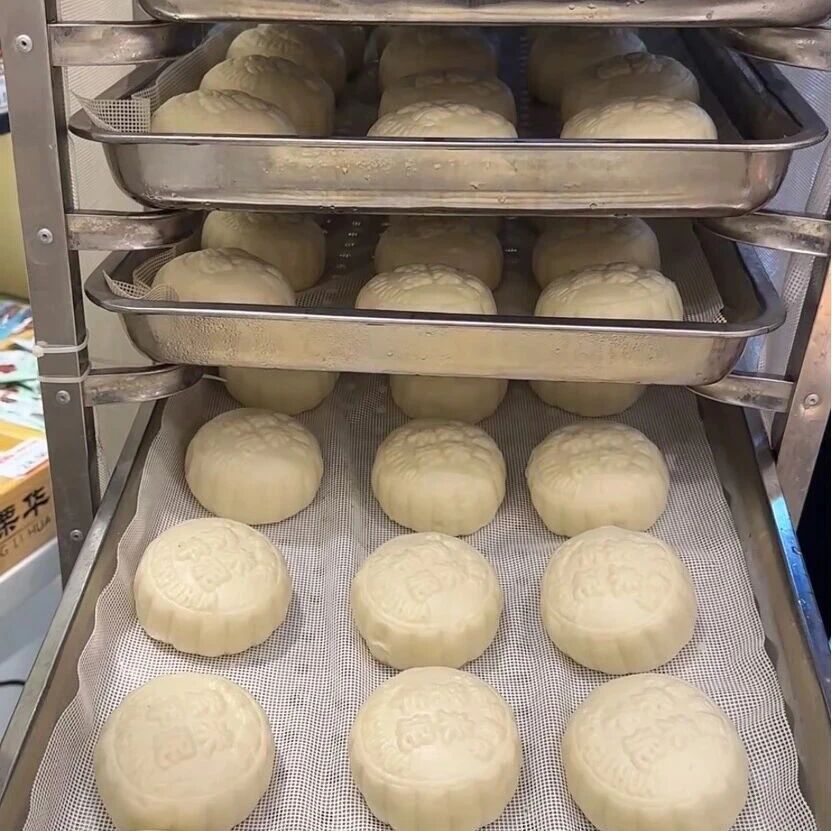
天津蒸饼里的快乐密码|十月行记
经济观察报· 2025-10-06 10:29
Core Viewpoint - The article emphasizes the unique culinary culture of Tianjin, particularly the local steamed buns, which reflect a philosophy of simplicity and authenticity in daily life, contrasting with the trend of "aesthetic check-ins" on social media [1][9]. Group 1: Local Food Culture - Tianjin residents prioritize food that is practical and comforting over visually stunning dishes, embodying a "反精致" (anti-refinement) lifestyle [9]. - The popularity of local steamed buns, particularly those made by traditional methods, showcases the city's culinary heritage and the community's preference for familiar, home-style food [10][22]. Group 2: Steamed Bun Production - A local vendor, Li Shifu, has seen his sales increase from 50 to approximately 500 steamed buns daily, attributing this success to the use of high-quality ingredients and traditional preparation methods [14]. - The preparation of the steamed buns involves meticulous processes, such as using aged dough and carefully balancing ingredients for the fillings, which are made with a focus on authenticity and flavor [18][21]. Group 3: Historical Context - The history of steamed buns in Tianjin dates back to the Song Dynasty, evolving from a common staple to a unique local delicacy that incorporates both traditional and innovative elements [24][28]. - The article highlights the transformation of steamed buns from royal cuisine to street food, illustrating the cultural significance and adaptability of this dish over centuries [22][28]. Group 4: Psychological and Social Aspects - Research indicates that Tianjin has the lowest depression rate in China, suggesting that the city's lifestyle, characterized by simple pleasures like enjoying steamed buns, contributes to its residents' happiness [30]. - The communal experience of waiting in line for food and sharing moments of joy reflects the social fabric of Tianjin, where everyday interactions enhance the sense of community and well-being [31][32].