辽三彩

Search documents
辽彩千年韵自浓
Xin Lang Cai Jing· 2025-12-20 06:43
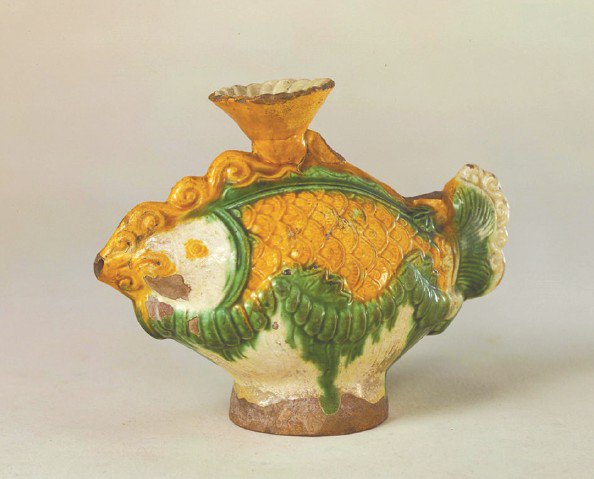
Core Viewpoint - Liao Sancai, although less known than Tang Sancai, holds significant importance in Chinese ceramic history, showcasing unique characteristics and craftsmanship that reflect the cultural essence of the Liao Dynasty [2][3]. Group 1: Historical Context - The Liao Dynasty was established in 916 AD in northern China, integrating the essence of Central Plains culture and creating distinctive ceramic products known as Liao porcelain [2]. - Liao Sancai ceramics are low-temperature colored glazed pottery, primarily featuring yellow, green, and brown glazes, and are influenced by the techniques of Tang Sancai [2]. Group 2: Distinctions from Tang Sancai - Liao Sancai differs from Tang Sancai in several aspects: the clay body is different, Liao Sancai lacks blue tones present in Tang Sancai, and the glaze application is less integrated, resulting in a less ornate appearance [2]. - Liao Sancai is characterized by its distinct ethnic features, practical functionality, unique artistic style, and innovative spirit, with common forms including small vessels suitable for nomadic lifestyles [3]. Group 3: Notable Artifacts - A notable example of Liao Sancai is the fish-shaped ewer housed in the Palace Museum in Beijing, which stands 15 cm tall and features a vibrant glaze of yellow, green, and white, showcasing complex craftsmanship [3]. Group 4: Current Trends in Collecting - Despite the historical significance, Liao Sancai has been less collected compared to Tang Sancai. However, recent exhibitions by professional cultural institutions are expected to increase appreciation and interest in Liao Sancai among collectors [5].