鼎益丰天河1号

Search documents
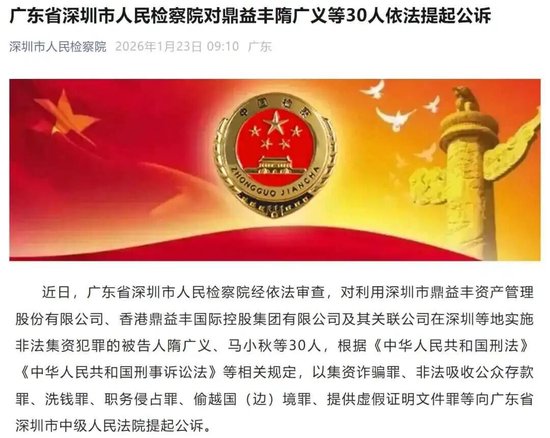
千亿骗局崩塌,鼎益丰等80人被公诉!50万人被骗、上千亿未兑付
Xin Lang Cai Jing· 2026-01-26 15:32
Core Viewpoint - The illegal fundraising scheme led by Sui Guangyi, who claimed to be a "master of metaphysical investment," has come to an end with the formal prosecution of him and over 80 associates for defrauding more than 500,000 investors out of over 1 trillion yuan [1][28]. Group 1: Company Background - Sui Guangyi, the mastermind behind the scheme, presented himself as a figure of authority, claiming to be the reincarnation of the "Big Dipper" and a former vice mayor, which attracted many investors [5][6][29]. - The company, Dingyifeng, operated under various names and expanded its business across multiple provinces in China, promoting high returns on investments through metaphysical concepts [10][33]. Group 2: Investment Scheme Details - Dingyifeng's investment products promised extraordinarily high returns, with claims of annualized yields reaching 36% and some products allegedly doubling investments within a year [11][33]. - The scheme evolved from P2P lending to selling overseas equity and even virtual currencies, while also promoting projects linked to cultural tourism [11][35]. Group 3: Financial Mismanagement and Losses - The company reported a significant asset shortfall, with liabilities exceeding 1.2 trillion yuan against an expected payout of over 130 billion yuan to investors [28]. - Dingyifeng's listed companies have a combined market value of less than 1 billion HKD, far from the claimed assets of 200 billion yuan [38]. Group 4: Personal Expenditures and Misuse of Funds - Sui Guangyi and his associates reportedly engaged in lavish spending, contrary to their public image of simplicity, with expenditures on luxury items and high-end vehicles [39]. - A substantial portion of the raised funds was used to pay high-interest returns to earlier investors and for marketing purposes, rather than for legitimate investments [41]. Group 5: Continued Investor Participation Despite Warnings - Despite multiple warnings from financial authorities regarding the lack of licenses and the risks involved, many investors continued to participate in the scheme, hoping to recover their investments through new offerings [19][43]. - The introduction of a new digital option product, DDO, was seen as a last-ditch effort to attract more funds, even though it was widely recognized as a fraudulent scheme [23][43].