鼻用激素喷雾

Search documents
一换季就过敏?医生提醒易过敏人群切勿“忍忍就好”
Xin Hua She· 2025-09-06 09:55
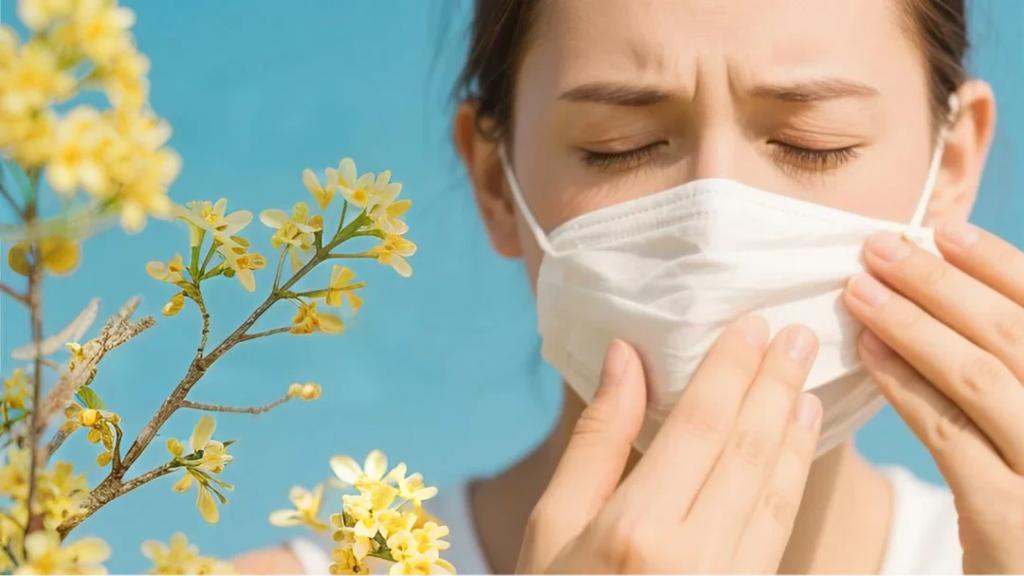
Core Viewpoint - The article emphasizes the increase in allergy cases during the autumn season, highlighting the need for preventive measures and timely medical intervention for those experiencing symptoms [4][5]. Group 1: Allergy Symptoms and Causes - Common allergy symptoms during autumn include skin itching, rashes, nasal irritation, sneezing, and exacerbated respiratory issues such as coughing and asthma [4]. - The rise in allergens such as pollen, ragweed, and mold spores, combined with temperature fluctuations and dry air, contributes to the prevalence of allergic reactions [4]. Group 2: Medical Advice and Treatment - Medical professionals recommend seeking timely medical attention if allergy symptoms persist or worsen, and suggest the use of antihistamines or nasal corticosteroid sprays for relief [4]. - It is noted that the use of nasal corticosteroids has minimal systemic effects due to their low hormone content and localized action [4]. Group 3: Preventive Measures for Allergic Individuals - Individuals prone to allergies should monitor local pollen levels and avoid outdoor activities during high pollen times, particularly in the morning [5]. - Recommendations include wearing masks outdoors, maintaining cleanliness in living spaces, wearing loose clothing, and avoiding allergenic foods such as seafood and peanuts [5].