5633次列车

Search documents
“慢火车”传下来的手账本
Xin Lang Cai Jing· 2026-02-23 19:42
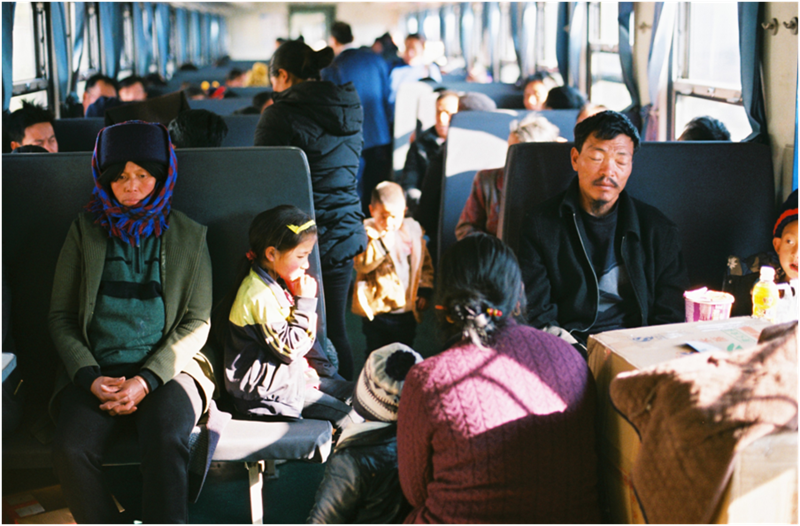
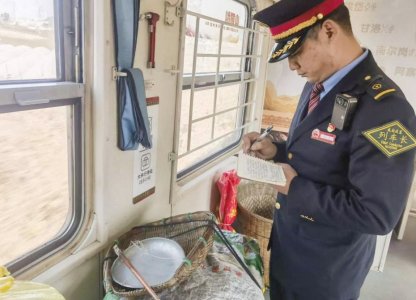
从普雄经西昌至攀枝花的5633次列车,9个多小时里共计停25站,平均20来分钟一站;全程票价26.5 元,最低2元。开行数十年,至今没有涨过价,保持公益属性。对老乡们来说,普速"慢火车"不仅是出 行线,还是增收的"致富线"。 吉布日哈的师傅是已退休的彝族女列车长阿西阿呷。她曾告诉记者一个关于鸡蛋的故事: 5633次"慢火车"列车长吉布日哈翻开手里的手账本。图据新华社客户端 "刚参加工作时的冬天,有位彝族阿妈正费力挑起一担子土豆,我赶紧过去帮忙,第二天我又遇到她, 阿妈从怀里掏出了鸡蛋塞在我手里,她的手是凉的,但鸡蛋是温的。原来阿妈走了1个多小时山路,怕 鸡蛋冷了,就一直放在怀里焐着。这个温度永远提醒着我们,要为凉山老乡服务好,少一些遗憾,多一 些温暖。" 大年初四早上7时15分,5633次"慢火车"从凉山彝族自治州越西县普雄站开出,驶往攀枝花南站。在尼 波站,当地老乡赶着2只羊、2头猪登上了列车。在"95后"列车长吉布日哈的指挥下,老乡熟门熟路地把 牲畜关进特设的"动物车厢"。 温暖从阿妈手里传到了阿西阿呷手里,如今又传到吉布日哈手上。大年初四恰逢铁路沿线多处赶集,吉 布日哈不停为乘客解决各种事项,车过西昌后 ...

坐上这列穿越大凉山的绿皮火车,去看“彝族风情画卷”
Di Yi Cai Jing· 2025-05-29 03:17
Core Viewpoint - The article highlights the unique cultural and social significance of the remaining non-air-conditioned green trains operating on the Chengkun Railway, particularly in the Daliang Mountain region of Sichuan, as documented in the book "Green Train, Journey to Rural China" by Qi Dong [1][18] Group 1: Train Operations and Cultural Context - The Chengkun Railway is home to the last two pairs of non-air-conditioned green trains, which serve as a vital link for local residents, including the Yi ethnic group, students, and content creators [1][5] - The green trains, particularly the 5620 and 5633 services, are characterized by their lack of modern amenities, allowing passengers to experience a more traditional form of travel [5][9] - The 5633 train is described as a "moving Yi cultural painting," reflecting the rich cultural tapestry of the region, while also facing a stigma associated with being a slow and less desirable mode of transport [5][6] Group 2: Passenger Experience and Unique Features - Passengers on the 5633 train often include livestock, with a dedicated carriage for animals, showcasing the practical and cultural integration of transportation in rural life [9][11] - The article describes the chaotic yet vibrant atmosphere on the train, where interactions with local residents and their livestock create a unique travel experience [10][11] - The presence of a traditional Yi healer, or Bimo, on the train illustrates the blend of modern travel with ancient cultural practices, emphasizing the ongoing relevance of traditional roles in contemporary society [15][16]