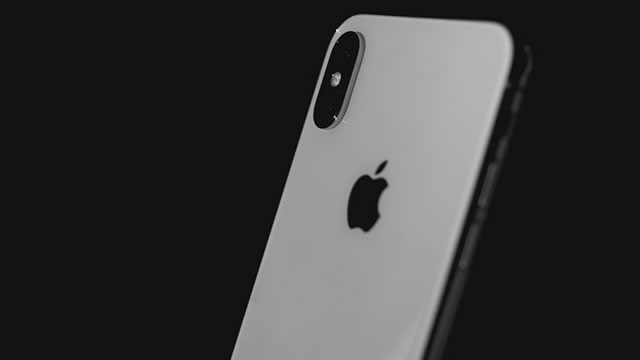
Apple Intelligence 2.0

Search documents
研报 | 低容量NAND Flash供给紧缩叠加品牌推动AI革新,预估2026年智能手机平均存储容量年增4.8%
TrendForce集邦· 2026-03-23 05:48
Core Insights - The article discusses the impact of rising NAND Flash prices on the global smartphone market in 2026, highlighting that despite these pressures, the average storage capacity of smartphones is expected to increase by 4.8% year-on-year due to factors such as the elimination of low-capacity specifications and the demand for AI features in high-end flagship models [2][3]. Group 1: Market Trends - Initially, it was anticipated that smartphone brands would reduce storage specifications to protect profits due to NAND Flash price pressures, leading to a negative growth in average storage capacity for 2026 [3]. - High-end brands like Apple and Huawei are optimizing AI functionalities, necessitating higher storage capacities, with Apple's iPhone 17 series increasing the minimum capacity from 128GB to 256GB to accommodate user needs [3][4]. - Huawei's Mate 80 series is promoting the widespread adoption of 512GB models to meet the demands of offline multimodal interactions [3]. Group 2: Supply Chain Dynamics - The upgrade of NAND Flash manufacturing processes has resulted in a reduction of low-capacity product supply, leading to a passive increase in average storage capacities in the smartphone market [4]. - Some smartphone brands are choosing to halt production or reduce the output of low-capacity models due to high NAND Flash prices, focusing resources on mid to high-end specifications like 128GB and 256GB, which has contributed to the increase in average storage capacity [4]. - TrendForce indicates that the growth in average storage capacity for iPhones will significantly outpace that of Android models due to the higher storage capacity offerings from high-end brands [4]. Group 3: Future Outlook - As the AI application ecosystem matures, it is projected that by the end of 2026, 128GB models may exit the mainstream Android market, being replaced by 256GB specifications [4].


Apple (AAPL) Got The Best Free Ride, Says Jim Cramer
Yahoo Finance· 2026-02-26 15:22
Core Viewpoint - Apple Inc. (NASDAQ:AAPL) has not made significant investments in AI infrastructure, which has raised concerns among investors and analysts. However, Jim Cramer believes that Apple's collaboration with Google is a strategic advantage, and financial firms maintain positive ratings on the stock despite worries about AI feature delays [2][5]. Group 1: Investment Ratings and Price Targets - Wedbush maintains an Outperform rating for Apple Inc. with a price target of $350, asserting that the recent pullback in shares is unjustified, as the stock has increased by 10% over the past year and remains flat year-to-date [2]. - Evercore ISI also reiterated an Outperform rating with a price target of $330, noting potential delays in the launch of Apple Intelligence 2.0 due to testing issues [2]. Group 2: Market Perception and AI Strategy - The absence of substantial AI investment by Apple has been noted by both Cramer and Wall Street, leading to mixed views among investors and analysts [2]. - Cramer emphasized that Apple has effectively leveraged its partnership with Google, referring to it as the "greatest free ride ever" in the context of AI advancements [3].

Apple (AAPL) Trading 10% Below Analyst Targets After This Week’s 8% Drop
Yahoo Finance· 2026-02-16 19:11
Core Viewpoint - Apple experienced a significant stock decline of 7.95% to $255.78, despite reporting strong quarterly results, raising questions about market pricing and potential entry points for investors [2][4]. Financial Performance - Apple reported a record revenue of $143.76 billion, exceeding estimates, with iPhone sales reaching an all-time high of $85.27 billion [2][4]. - The company returned nearly $32 billion to shareholders and surpassed 2.5 billion active devices in its installed base [2]. Analyst Outlook - Despite the recent selloff, 29 out of 47 analysts maintain Buy ratings for Apple, with an average target price of $292.15, indicating a potential upside of 10% from current levels [4][6]. - Analysts cite strong fundamentals and long-term growth drivers as reasons for their positive outlook [6]. Cost Pressures - Apple faces significant cost pressures, with NAND flash memory prices expected to double starting in Q1 2026, leading to ongoing component cost inflation [7]. - The company has secured short-term supply but is still vulnerable to rising costs [7]. AI Development Delays - Anticipated delays in the launch of Apple Intelligence 2.0 may push the release past March, attributed to testing challenges and Apple's privacy-first approach [8]. - A complete overhaul of Siri is not expected until fall 2026, raising concerns for investors looking for AI-driven growth [8]. Technical Indicators - The Relative Strength Index (RSI) dropped to 39.59 as of February 13, down from 69.03 on February 6, indicating the stock is in oversold territory, which historically suggests potential near-term rebounds [9].
Apple (AAPL) Trading 14.2% Below Analyst Targets After This Week's 8% Drop
247Wallst· 2026-02-16 19:11
Core Viewpoint - Apple (AAPL) stock has dropped 7.95% to $255.78, trading 10% below analyst targets despite strong quarterly performance, raising questions about market pricing and potential entry points for investors [1][2]. Financial Performance - Apple reported record revenue of $143.76 billion and iPhone sales of $85.27 billion in the last quarter, returning nearly $32 billion to shareholders and surpassing 2.5 billion active devices [1]. - Year-to-date, Apple stock has declined 5.83%, while the S&P 500 has remained flat at -0.02% [1]. Analyst Ratings and Market Outlook - Out of 47 analysts, 29 maintain Buy ratings with an average target price of $292.15, indicating a potential upside of 10% from current levels [1]. - Despite the recent selloff, analysts cite strong fundamentals and long-term growth drivers, including a robust iPhone 17 cycle and record services revenue of $30.01 billion, up 14% year-over-year [1][2]. Cost Pressures and Delays - Concerns arose from Apple agreeing to terms with Kioxia that will double NAND flash memory prices starting Q1 2026, indicating ongoing component cost inflation [1]. - Delays in the launch of Apple Intelligence 2.0 have been reported, potentially pushing the release past March, which could impact investor sentiment [1]. Technical Indicators - The Relative Strength Index (RSI) dropped to 39.59, indicating the stock is in oversold territory, which historically suggests potential for a near-term bounce [1]. - Previous oversold readings in January recovered within two weeks, suggesting a similar recovery could occur if Apple addresses AI feature delays and stabilizes component costs [1]. Competitive Landscape - Apple’s partnership with Google on AI features is seen as a strategic advantage, allowing the company to leverage cutting-edge capabilities without significant capital expenditure [1]. - Competitive pressures from Nvidia and Microsoft in the AI space, along with regulatory scrutiny, could pose challenges for Apple moving forward [2].