Chevy Trax

Search documents
General Motors Company (NYSE:GM) Conference Transcript
2026-02-04 19:02
General Motors Company (NYSE: GM) Conference Summary Company Overview - **Company**: General Motors Company (GM) - **Date of Conference**: February 04, 2026 - **Key Speaker**: Paul Jacobson, CFO of GM Core Industry Insights - **Transformation in the Auto Industry**: The auto industry is undergoing significant transformation, particularly in the shift towards electric vehicles (EVs) and adapting to a dynamic regulatory environment [2][4][15] - **Impact of Tariffs**: GM has faced over $3 billion in tariffs last year and expects $3-$4 billion in tariffs this year, which has influenced financial guidance and operational strategies [5][6] - **Market Share Gains**: GM has achieved substantial market share gains in lower-priced vehicles, selling over 700,000 vehicles priced under $30,000, indicating a successful strategy across different market segments [9][10] Financial Performance - **Earnings and Margins**: GM restored its North American margins to 8%-10% ahead of expectations, demonstrating resilience and effective management despite external challenges [6][12] - **Free Cash Flow**: GM has increased its free cash flow from approximately $3 billion to a consistent $10 billion over the past 4-5 years, providing a financial cushion to absorb shocks [12][13] - **Balance Sheet Strength**: The company boasts a strong balance sheet with minimal pension liabilities and an investment-grade credit rating, positioning it well for future investments [13] Electric Vehicle Strategy - **Investment in EVs**: GM announced a $7 billion charge related to EV investments, indicating a commitment to infrastructure capable of producing 1 million EVs annually [16][18] - **Regulatory Environment**: Changes in the regulatory landscape are expected to align better with consumer demand, potentially leading to more stable EV adoption rates [17][15] - **Onshoring Investments**: GM plans to invest $5 billion in onshoring initiatives, aiming to produce nearly 2 million vehicles in the U.S. by 2027, which will help mitigate tariff impacts [18][24] Supply Chain Management - **Resiliency Focus**: GM has prioritized supply chain resiliency, particularly in light of past challenges such as the chip shortage and rare earth material dependencies [41][45] - **Supplier Relationships**: The company emphasizes healthy collaboration with suppliers to ensure stability and profitability across the supply chain [26][27] Future Outlook - **Software and Services Growth**: GM is focusing on expanding its software and services revenue, targeting $7.5 billion in deferred revenue, and enhancing customer interactions through technology [20][62] - **Market Positioning**: GM aims to maintain competitiveness in a changing market landscape, particularly against emerging Chinese brands and evolving consumer preferences [72][74] - **Long-term EV Commitment**: Despite current challenges, GM remains committed to the EV market, viewing it as a long-term growth opportunity, while also ensuring profitability through cost management and technological advancements [55][56] Additional Considerations - **Hybrid Vehicles**: GM is exploring opportunities in hybrid vehicles, leveraging existing expertise while ensuring a measured approach to market entry [58][59] - **AI Integration**: The use of AI in vehicle development and production processes is growing, enhancing efficiency and decision-making capabilities within the company [75][76] This summary encapsulates the key points discussed during the conference, highlighting GM's strategic direction, financial health, and industry positioning amidst ongoing transformations in the automotive sector.

General Motors Company (NYSE:GM) Conference Transcript
2025-12-03 16:32
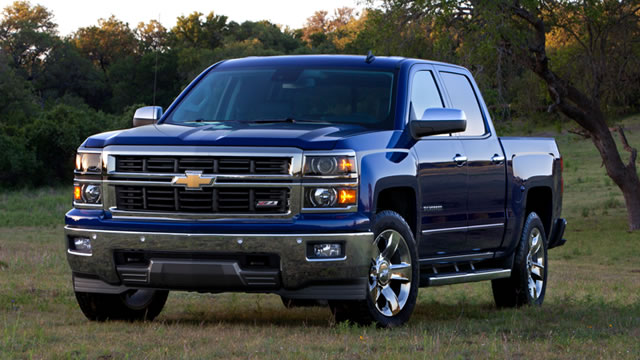
General Motors Company (NYSE: GM) Conference Summary Company Overview - **Company**: General Motors Company (GM) - **Date of Conference**: December 03, 2025 - **Speaker**: Paul Jacobson, CFO Key Points Industry and Market Context - The automotive industry is experiencing a stable demand environment, particularly for internal combustion engine (ICE) vehicles, despite some supply shortages affecting specific models like the Chevy Trax [6][7] - The company is optimistic about 2026, expecting it to be better than 2025, driven by cost control initiatives and improved inventory management [7][8] Financial Performance and Guidance - GM is on track with its sales expectations for the year, with a positive outlook for the fourth quarter [3][4] - The company anticipates a potential upside of approximately $1 billion in 2026 due to tariff adjustments, although the actual benefit may be lower than initially expected [10][12] - The CFO indicated that warranty improvements could yield a year-over-year benefit in the billion-dollar range for 2026, driven by reduced incidents and costs per repair [18][20] Electric Vehicle (EV) Strategy - GM acknowledges the current volatility in the EV market but maintains that EVs remain a strategic focus, referred to as the "North Star" [24][25] - The company is restructuring its EV business to align with market realities and regulatory changes, focusing on cost reductions rather than expanding the EV portfolio [52][53] - GM is investing in technology to lower EV production costs, which is crucial for future profitability as consumer adoption of EVs is expected to increase over time [53][54] Supply Chain Management - GM is actively working on diversifying its supply chain to reduce reliance on specific regions, particularly China, to enhance overall stability [70][71] - The company has faced increased costs due to sourcing chips from various suppliers to maintain production levels, but it has managed to mitigate production challenges better than some competitors [72][73] Capital Allocation and Shareholder Returns - GM's capital allocation strategy includes a budget of $10-$12 billion for the next few years, focusing on investments that can be effectively deployed without overextending resources [76][77] - The company plans to continue buying back shares as it believes its stock is undervalued, while also maintaining a strong balance sheet [75][78] Future Outlook - GM is preparing for a refresh of its full-size truck platform, which is expected to enhance market share and performance [64] - The company is optimistic about the consumer market's resilience and expects to close the year in line with its expectations, with a positive outlook for 2026 [68][69] Technology and Software Initiatives - GM is increasing its focus on software and technology, with over $5 billion in deferred revenue expected to contribute significantly to future earnings [87][88] - The company aims to derive more revenue from its existing vehicle fleet through software services, which could lead to substantial margin expansion [89] Additional Insights - The CFO emphasized the importance of managing warranty costs and improving vehicle quality to enhance profitability [20][22] - GM is navigating a complex regulatory environment, which has shifted its investment strategy towards more sustainable and profitable vehicle offerings [51][52] This summary encapsulates the key insights and strategic directions discussed during the conference, highlighting GM's focus on stability, cost management, and future growth in the evolving automotive landscape.
GM profit shrinks despite stronger sales
Fox Business· 2025-07-22 13:04
Group 1: Financial Performance - General Motors' net income decreased by 35% in the second quarter, amounting to $1.8 billion, down from $2.9 billion in the same period last year [1][4] - Despite the profit decline, GM's revenue and adjusted operating income surpassed Wall Street estimates, and the company maintained its profit guidance for 2025 [1][2] - Tariffs imposed by the Trump administration impacted GM's operating income by $1.1 billion in the second quarter [4] Group 2: Tariff Impact and Mitigation - The company projected that tariffs would add costs between $4 billion to $5 billion, which represents about one-third of its pretax profit from the previous year [5] - GM has implemented few tariff mitigation efforts, such as increasing production at U.S. factories, and aims to offset 30% of the tariff costs through adjustments in its manufacturing footprint [4][5] - GM has not widely increased vehicle prices in response to tariffs but has not ruled out future price hikes to remain competitive [6] Group 3: Sales Performance - GM achieved an industry-leading sales gain of 12% in the first half of the year, while the overall industry sales increased by 7% during the same period [6] - The company imports approximately half of the vehicles it sells in the U.S., including entry-level models from South Korea and full-size trucks from Mexico and Canada [9] Group 4: Strategic Adjustments - GM is shifting a small portion of its production back to the U.S., including relocating the gas-powered Chevrolet Blazer SUV production from Mexico to Tennessee [10] - CEO Mary Barra emphasized the company's focus on strengthening U.S. manufacturing to reduce tariff costs [10]