
Clean Energy ETFs

Search documents
The Zacks Analyst Blog ICLN,QCLN,CNRG, PBD and PBW
ZACKS· 2026-03-30 10:05
Core Insights - The ongoing Middle East conflict has led to a surge in oil prices due to supply constraints, impacting global energy markets and increasing energy security concerns [2][3] - This situation is expected to drive a renewed focus on clean energy investments, with significant capital flows anticipated into U.S. clean energy funds [4][5] Group 1: Clean Energy Investment Trends - The S&P Global Clean Energy Transition Index has increased by 56.59% over the past year and 10.01% year to date, indicating strong performance in the clean energy sector [4] - Global investment in energy transition reached a record $2.3 trillion last year, marking an 8% increase from the previous year [9] - Clean energy investment outpaced fossil fuel investment for the second consecutive year in 2025, with the gap widening to $102 billion from $85 billion in 2024 [10] Group 2: Market Dynamics and Future Projections - The International Energy Agency indicated that the energy transition was already on a strong footing before the Middle East conflict, and the current energy shock is expected to further accelerate clean energy investments [8] - The base-case Economic Transition Scenario predicts that global energy transition investment will average $2.9 trillion annually over the next five years [10] - Despite a rise in clean energy spending, fossil fuel investment fell for the first time since 2020, highlighting a shift in investment priorities [11] Group 3: Focus on Clean Energy ETFs - Several clean energy ETFs, including iShares Global Clean Energy ETF (ICLN), are positioned to benefit from the sector's momentum, with ICLN being the most liquid option and having an asset base of $2.14 billion [12][13] - ICLN charges an annual fee of 0.39%, making it an attractive option for long-term investors [13]


Will Clean Energy ETFs Lose Momentum on Russia's REE Move?
ZACKS· 2025-11-07 14:40
Core Insights - Russian President Vladimir Putin's directive to create a roadmap for rare earth element (REE) extraction by December 2025 indicates Russia's intention to enter the critical minerals market, which is essential for various industries including clean energy [1][2] - Russia holds the fifth-largest REE reserves globally, and its increased extraction efforts aim to leverage these resources for geopolitical and economic influence, potentially disrupting the supply chain of the clean energy industry [2][3] Industry Impact - The clean energy industry heavily relies on REEs, particularly for wind turbines and electric vehicle motors, with most REEs currently sourced from other countries, predominantly China [2][3] - Russia's entry into the REE market could temporarily disrupt the supply equilibrium, especially given the existing trade tensions between the U.S. and China [3] Long-Term Outlook - Despite potential short-term disruptions, the long-term outlook for the U.S. clean energy industry remains strong, bolstered by a recent one-year REE supply agreement between the U.S. and China, indicating improved trade relations [4] - Russia's current influence in the global REE supply is limited, accounting for only about 1% of production, and it lacks the refining capacity that China dominates, which may mitigate the short-term impact of Russia's actions [5] Clean Energy ETFs - The potential disruption from Russia's REE extraction efforts does not pose a significant threat to clean energy ETFs, as macroeconomic drivers for the renewable industry remain positive, including falling installation costs and rising investments [6] - Investors are advised to approach clean energy ETFs with cautious optimism, recognizing the geopolitical contest for critical minerals while considering the long-term growth potential [7] ETF Performance - iShares Global Clean Energy ETF (ICLN) has net assets of $2.01 billion, with a year-to-date surge of 57.8%, and charges 39 basis points in fees [8][9] - First Trust Nasdaq Clean Edge Green Energy ETF (QCLN) has net assets of $558.4 million, with a year-to-date increase of 35.3%, charging 56 basis points in fees [10][11] - Invesco WilderHill Clean Energy ETF (PBW) has a net asset value of $31.52 per share, with a year-to-date rise of 58.2%, charging 64 basis points in fees [12]


Is This the Right Time to Bet on Clean Energy ETFs?
ZACKS· 2025-11-06 18:21
Core Insights - Despite President Trump's reduction in clean energy funding, investments in clean energy remain appealing due to increasing AI-driven electricity demand and decreasing renewable energy costs [1][2] - The S&P Global Clean Energy Transition Index has seen a year-to-date increase of 56.19% and a quarterly increase of 16.26% [1] Investment Trends - Investment funds continue to be active in U.S. renewables, driven by strong market fundamentals and the urgent need to modernize the power grid [2] - Brookfield raised a record $20 billion for its Global Transition Fund II, with an additional $3.5 billion in co-investments, and secured significant clean energy supply deals with Microsoft and Google [4] Market Demand - U.S. power demand is projected to grow by 2.5% in 2025 and 2.7% in 2026, driven by data center expansion, renewed manufacturing, and overall electrification [6] - The global clean energy investment reached $2.2 trillion last year, more than double the fossil fuel investment, with significant growth in solar, wind, and electric vehicle sales [7] AI Influence - The surge in AI demand is prompting major tech companies to secure clean energy for their data centers, with the global AI market expected to exceed $1.6 trillion by 2032, enhancing the attractiveness of clean energy investments [8] ETF Performance - Clean energy ETFs are gaining traction, with several funds showing significant returns over the past month and three months, such as: - iShares Global Clean Energy ETF: 7.51% (1 month), 18.07% (3 months) [10] - First Trust NASDAQ Clean Edge Green Energy Index Fund: 10.74% (1 month), 28.37% (3 months) [12] - SPDR S&P Kensho Clean Power ETF: 15% (1 month), 42.22% (3 months) [13] - ALPS Clean Energy ETF: 9.07% (1 month), 24.20% (3 months) [14] - Invesco Global Clean Energy ETF: 6.63% (1 month), 20.48% (3 months) [15]

Clean Energy ETFs Hit 52-Week Highs As Renewables Boom Continues - Bloom Energy (NYSE:BE), State Street SPDR S&P Kensho Clean Power ETF (ARCA:CNRG)
Benzinga· 2025-11-06 16:33
Core Insights - Clean energy ETFs are experiencing a resurgence, with several funds reaching new 52-week highs due to optimism surrounding solar and wind power demand, overshadowing political uncertainties [1][4] - The iShares Global Clean Energy ETF (ICLN) has seen a significant increase of over 55% this year, reflecting strong investor interest [1] - Global renewable investments have surged to nearly $400 billion in the first half of 2025, with solar energy accounting for more than half of this investment [5] Fund Performance - The iShares Global Clean Energy ETF (ICLN) rose 5.4% to a 52-week high of $18.20, while the Global X Cleantech ETF (CTEC) increased by 7.1% to reach $62.33 [1] - Other ETFs such as the SPDR Kensho Clean Power ETF (CNRG) and ProShares S&P Kensho Cleantech ETF (CTEX) also hit new highs, indicating a broad rally in the clean energy sector [3] Investment Trends - Gimbal Financial has opened a new stake in ICLN, purchasing 1.14 million shares valued at $17.6 million, which represents 10.56% of the firm's reportable assets [2] - The clean energy sector has outperformed the broader market, with the S&P Global Clean Energy Transition Index up approximately 50% year-to-date compared to the S&P 500's 16% gain [4] Market Dynamics - Despite challenges such as stalled turbine projects and expiring US tax credits, the transition to renewable energy is viewed as economically compelling [4] - The demand for energy, particularly driven by the growth in AI, has led to renewables representing 93% of the growth in energy capacity in the US this year [5] Key Players - First Solar Inc has raised its 2025 sales outlook following record Q3 results, with its stock up 49% year-to-date [6] - Bloom Energy Corp has seen a remarkable increase of 460%, indicating strong market enthusiasm for clean tech innovation [6]

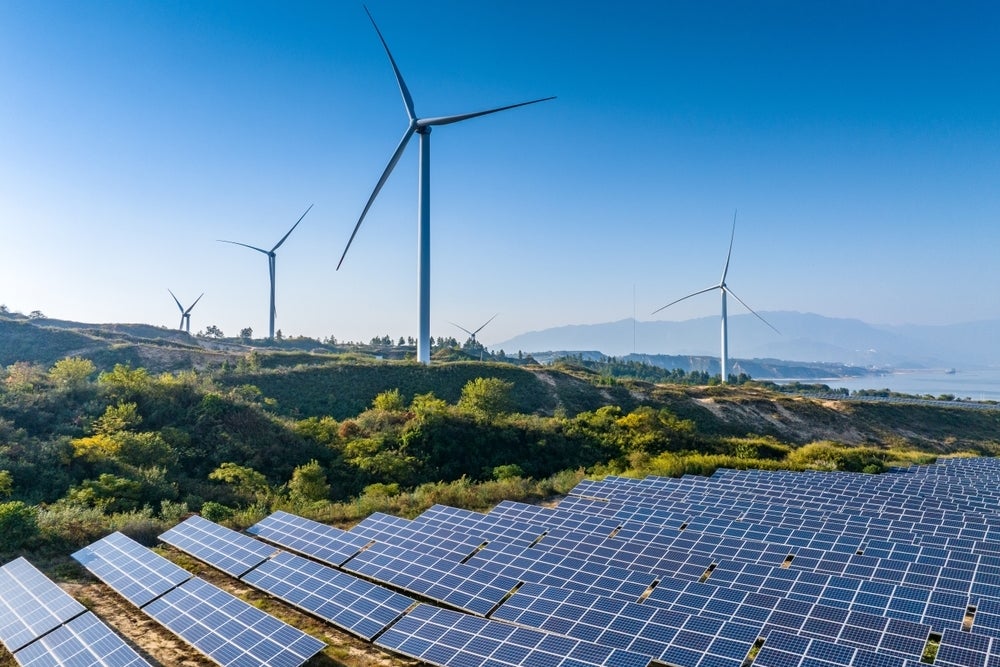
As Renewables Eclipse Coal, Is it Time to Invest in Clean Energy ETFs?
ZACKS· 2025-10-23 17:51
Core Insights - The clean power revolution has reached a critical tipping point, with global solar and wind generation surpassing electricity demand growth in 2023, indicating a significant shift in the energy landscape [1][2] Renewable Energy Growth - Renewable energies have generated more power than coal for the first time, with solar generation increasing by 31% and wind by 7.7%, resulting in a surge of over 400 terawatt hours [2] - The long-term growth prospects for clean energy are substantial, as companies providing technology and infrastructure are well-positioned for sustained expansion [3] U.S. Market Dynamics - The U.S. clean energy sector has faced challenges, with solar capacity installations declining by 24% year-over-year and wind installations down by 60% in Q2 2025 [5][6] - The decline in the U.S. sector is attributed to policy shifts and regulatory uncertainty, particularly under the Trump administration [4][6] Global Market Resilience - Favorable economic and policy factors in Asia and Europe have outweighed the softness in the U.S. renewable sector, driven by the decreasing costs of solar and wind energy [7] - The demand for renewable energy is being bolstered by new technologies, such as data centers supporting the AI boom, creating a robust demand floor [7] Investment Outlook - The International Energy Agency has revised its global renewable power capacity growth forecast for 2030 down by 5%, primarily due to U.S. policy changes and regulatory shifts in China [8] - Despite these challenges, industry experts remain optimistic about the long-term fundamentals of clean energy, with many developers maintaining or increasing their capacity deployment targets for 2030 [9] Clean Energy ETFs - The dynamics of the clean energy market present opportunities for investors in clean energy ETFs, which provide diversified exposure to the evolving energy landscape [10] - Notable ETFs include: - **iShares Global Clean Energy ETF (ICLN)**: $1.76 billion in net assets, up 44.9% year-to-date, with an average volume of 3.39 million shares [11] - **First Trust Nasdaq Clean Edge Green Energy ETF (QCLN)**: $532.1 million in net assets, up 30.3% year-to-date, with an average volume of 146,371 shares [12] - **ALPS Clean Energy ETF (ACES)**: $112 million in net assets, up 32.2% year-to-date, with an average volume of 28,343 shares [13] - **Invesco WilderHill Clean Energy ETF (PBW)**: $31.79 per share, up 59.3% year-to-date, with an average volume of 1.35 million shares [14]

Shining a Light on 5 Clean Energy ETFs as We Step Into Q4
ZACKS· 2025-09-30 12:31
Core Insights - The clean energy industry is experiencing significant growth, with global investments reaching a record $386 billion in the first half of 2025, marking a 10% increase year over year [1] - The S&P Global Clean Energy Select Index has shown a strong performance with a 37.4% return year to date, positively impacting clean energy ETFs [2] Investment Trends - Favorable government policies, declining costs of renewable technologies, increasing corporate investments, and rapid technological innovations are key factors driving the clean energy sector [3] - The U.S. clean energy market faces challenges due to recent policy changes, resulting in a 36% drop in renewable energy investment in the first half of 2025 compared to the second half of 2024 [4] - In contrast, the European Union saw a 63% increase in investment in the first half of 2025, while China accounted for 44% of global new investment [5] ETF Performance - iShares Global Clean Energy ETF (ICLN) has surged 35.4% year to date, with top holdings including First Solar, Bloom Energy, and Vestas Wind Systems [6][7] - First Trust Nasdaq Clean Edge Green Energy ETF (QCLN) has increased by 24.1% year to date, focusing on U.S.-listed companies in renewable energy and electric vehicles [8][9] - ALPS Clean Energy ETF (ACES) has risen 24.2% year to date, with significant holdings in Tesla and First Solar [10][11] - Invesco WilderHill Clean Energy ETF (PBW) has shown a remarkable 44.7% increase year to date, with key holdings in Bloom Energy and Ampirus Technologies [12] - Fidelity Clean Energy ETF (FRNW) has gained 42.9% year to date, focusing on companies involved in renewable energy production and technology [13][14]


Clean Energy ETFs Slide Post Trump's Remark at UN: A Bumpy Road Ahead?
ZACKS· 2025-09-24 15:26
Core Viewpoint - U.S. President Donald Trump's recent comments labeling green energy as "stupid" and a "scam" have negatively impacted clean energy investors, leading to a decline in clean energy ETFs [1][2] Market Reaction - The market's response to Trump's remarks illustrates how political rhetoric can quickly influence investor sentiment, causing short-term volatility in the renewable energy sector [2] Policy Changes - The Trump administration has introduced legislation, such as the One Big Beautiful Bill Act (OBBBA), aimed at repealing or limiting clean energy tax credits and subsidies under the Inflation Reduction Act (IRA) [3] - Efforts have also been made to pause funding for electric vehicle charging infrastructure and other clean energy projects, alongside increased tariffs on imports that could raise installation costs [4] Investment Trends - U.S. investment in renewables fell by 36% in the first half of 2025 compared to the second half of the previous year, indicating growing investor caution regarding the clean energy sector [5] Long-term Viability - Despite current challenges, the long-term outlook for the renewable energy industry in the U.S. remains strong, with projections from the U.S. Energy Information Administration indicating that solar power will contribute significantly to electricity generation increases in 2025 and 2026 [6] - The recent interest rate cut by the Federal Reserve is seen as a favorable policy for the clean energy sector, suggesting a potentially strong but volatile future for U.S. clean energy ETFs [6] Clean Energy ETFs Performance - The performance of various U.S.-focused clean energy ETFs shows that while there was a dip following Trump's comments, the year-to-date performance remains positive [7] iShares Global Clean Energy ETF (ICLN) - ICLN, the largest clean energy ETF, has a significant U.S. exposure (24.61%) and top holding in First Solar (8.36% weight), experiencing a 1.1% decline recently but a 33.5% increase year-to-date [8] First Trust Nasdaq Clean Edge Green Energy ETF (QCLN) - QCLN focuses on U.S. companies in renewable energy and has Tesla as its top holding (9.3% weight), with a recent decline of 1.7% but a year-to-date increase of 23.4% [9] ALPS Clean Energy ETF (ACES) - ACES primarily includes North American companies, with Tesla as the top holding (5.61% weight), experiencing a 1.4% decline recently but a 21.5% increase year-to-date [10] Invesco WilderHill Clean Energy ETF (PBW) - PBW tracks a diverse range of U.S. clean energy companies, with Bloom Energy as the top holding (4.14% weight), showing a year-to-date increase of 42.2% despite a recent decline [11] Invesco Solar ETF (TAN) - TAN focuses on solar energy companies, with Nextracker as the top holding (10.55% weight), experiencing a year-to-date increase of 27.9% despite a recent decline [12]

Fed Likely to Cut Rate Today: 5 Clean Energy ETFs in Focus
ZACKS· 2025-09-17 16:36
Economic Context - The U.S. economy is experiencing volatility due to aggressive tariffs, a weakening job market, persistent inflation, and rising fiscal deficits [1] - Investors are anticipating a Federal Reserve interest rate cut of 0.25% as indicated by Fed Chair Jerome Powell [1] Impact on Clean Energy Sector - The expected rate cut is viewed as a necessary measure to stimulate economic activity and alleviate consumer purchasing power pressure, which should benefit capital-intensive industries like clean energy [2] - Clean energy companies are highly sensitive to interest rates due to the significant upfront investments required for infrastructure such as solar farms and wind turbines [3] Benefits of Rate Cut for Clean Energy - A reduction in interest rates typically lowers financing costs for debt-funded clean energy projects, enhancing the economic viability of solar and wind initiatives [4] - This can lead to increased valuations for clean energy companies and the ETFs that hold them [4] Clean Energy ETFs Performance - Several U.S.-focused clean energy ETFs have shown positive performance since Powell's speech, indicating strong market interest [5] - iShares Global Clean Energy ETF (ICLN) has approximately $1.60 billion in assets, with a 1.5% increase since August 22, and a significant U.S. holding of 28.95% [6][7] - First Trust Nasdaq Clean Edge Green Energy ETF (QCLN) has a total net asset of approximately $470.2 million and has gained 4.3% since August 22 [8] - ALPS Clean Energy ETF (ACES) has a total net asset of approximately $98.4 million, with a 1.7% increase since August 22 [9][10] - Invesco WilderHill Clean Energy ETF (PBW) has a total net asset of approximately $401.7 million and has rallied 3.8% since August 22 [11][12] - SPDR S&P Kensho Clean Power ETF (CNRG) has approximately $159.8 million in assets and has risen 6.6% since August 22 [13] Conclusion - The anticipated Federal Reserve rate cut could create a more favorable financing environment for clean energy companies, potentially enhancing the performance of the highlighted ETFs [14]
