Compressed Air Energy Storage

Search documents
2025年终观察|陈海生:我国新型储能装机破亿,如何从“规模化”迈向“高质量”?
中关村储能产业技术联盟· 2025-12-12 02:58
Core Viewpoint - The new energy storage market in China is experiencing significant growth driven by increasing demand, technological advancements, and strong policy support [3][5]. Group 1: Market Demand and Growth - The installed capacity of new energy storage in China has exceeded 100 million kilowatts, which is over 30 times that at the end of the 13th Five-Year Plan [2]. - The demand for energy storage is expected to continue increasing as the installed capacity of renewable energy sources like wind and solar power rises [5]. - By 2027, the new energy storage installed capacity is projected to reach over 180 million kilowatts, with direct investment in projects estimated at around 250 billion yuan [5]. Group 2: Technological Advancements - Significant breakthroughs in energy storage technology have occurred over the past five years, particularly in lithium-ion battery technology, leading to improved performance and reduced costs [3]. - The commercialization of alternative technologies such as compressed air and flow batteries is establishing a solid foundation for large-scale applications [3]. Group 3: Policy Support - A series of robust policies have been introduced at the national level to support the development of the energy storage industry, including guidelines from the National Development and Reform Commission and the National Energy Administration [3]. - Local governments are also implementing specific market and pricing policies that have greatly stimulated market participation [3]. Group 4: Future Outlook - The energy storage market is expected to see accelerated growth in the next 3-5 years, driven by ongoing increases in renewable energy installations and sustained policy support [4][5]. - By 2027-2028, the new energy storage capacity is anticipated to reach 200 million kilowatts, and by around 2030, it could reach 300 million kilowatts [6]. Group 5: Transition to High-Quality Operations - To transition from "scale installation" to "high-quality operation," breakthroughs are needed in market mechanisms, technology optimization, safety prevention, and lifecycle management [7]. - The development of a comprehensive safety standard and monitoring system is essential for ensuring the safety of energy storage systems [7][8]. Group 6: Industry Collaboration and Policy Recommendations - Enhancing the self-sufficiency of key materials and promoting collaborative innovation in the industry are crucial for sustainable development [8]. - Recommendations include refining market-based revenue policies, strengthening safety regulations, conducting cost research on various storage technologies, and promoting industry self-regulation [8].


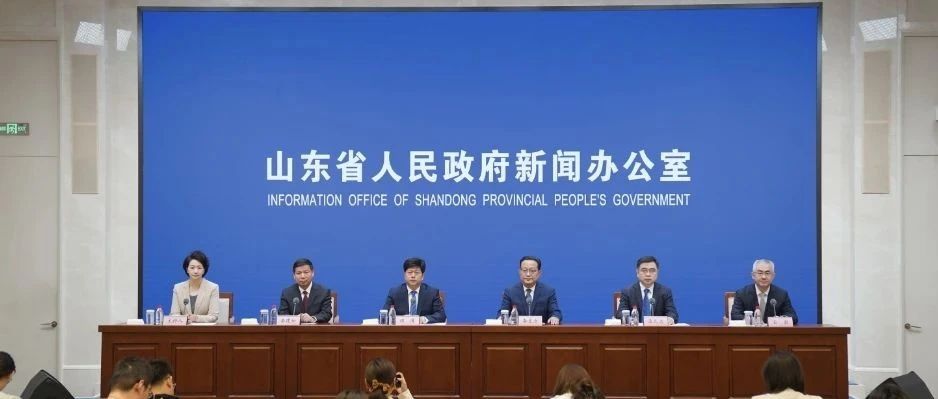
拓宽盈利渠道,拉大储能充放电价差!山东力争年底新型储能规模突破10GW
中关村储能产业技术联盟· 2025-05-15 07:21
Core Viewpoint - Shandong Province is actively implementing the "Eight Major Actions" to promote high-level consumption of renewable energy, focusing on new energy storage projects and market development for energy storage [1][2][4]. Summary by Sections New Energy Storage Development - Shandong has launched a million-kilowatt action plan for new energy storage, establishing a market-driven mechanism for independent energy storage participation in spot market trading, and has achieved an operational scale of 8.085 million kilowatts, quadrupling since the end of 2022 [1][17]. - The province aims to increase the new energy storage capacity to over 10 million kilowatts by the end of this year [2][18]. Market Mechanisms and Policies - The province is implementing measures to widen the price gap for energy storage, allowing for greater market returns and transforming energy storage from a cost item to a value item [2][17]. - New energy storage will participate in frequency regulation and other auxiliary service markets, enhancing profitability through a multi-use trading model [2][17]. Renewable Energy Consumption - As of 2024, Shandong's renewable energy installed capacity reached 125 million kilowatts, accounting for over 51% of total capacity, with solar and wind power leading nationally [4][5]. - The province has set a target to optimize the ratio of solar to wind power installations from 3.2:1 to 2.6:1 by the end of the year to better utilize the complementary characteristics of these energy sources [5][9]. User Participation and Market Reforms - Shandong is enhancing user participation in energy consumption through dynamic pricing mechanisms, encouraging users to adjust their consumption patterns based on peak and off-peak pricing [13][15]. - The province has established a virtual power plant system that aggregates distributed energy resources, achieving a total adjustable capacity of 550,000 kilowatts [14][22]. Future Directions - The province will continue to support the development of new energy technologies and applications, including compressed air and electrochemical storage, to further enhance energy storage capabilities [18][19]. - Shandong aims to strengthen the integration of energy planning and market reforms to ensure a coordinated approach to renewable energy development and consumption [8][9].