
Data Centres

Search documents
3 Reasons Property Stocks Are Perfect for Your Portfolio
The Smart Investor· 2026-03-10 03:30
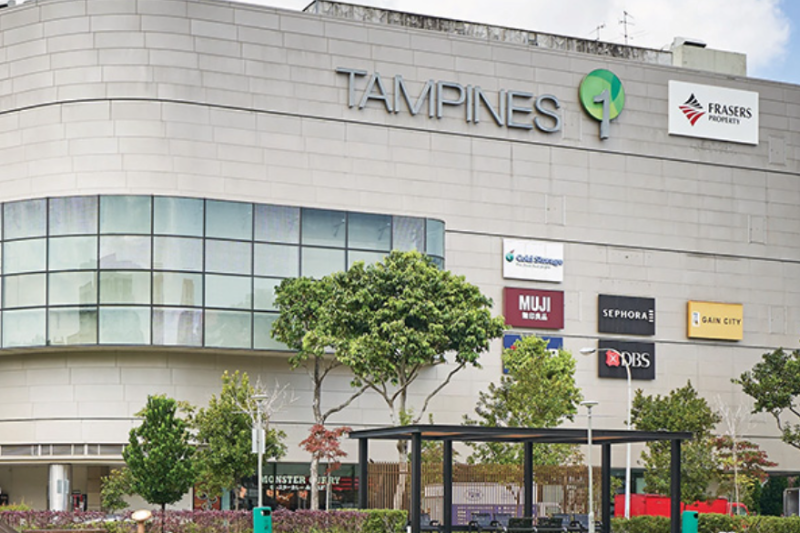
Core Viewpoint - The post-pandemic era has shown that property stocks are resilient and should be considered for long-term investment portfolios, despite challenges from higher interest rates [1] Group 1: New Economy Property Stocks - "New economy" sectors like data centres and telecommunications have become essential, with Mapletree Industrial Trust (MINT) reporting S$8.5 billion in assets under management as of December 31, 2025 [3] - MINT achieved a portfolio occupancy rate of 91.4%, supported by strong performance in Singaporean data centre assets [4] - American Tower (AMT) reported a revenue of US$10.65 billion for FY2025, reflecting a 5.1% increase, benefiting from the rise in data usage and 5G deployment [5] Group 2: Healthcare Sector - Parkway Life REIT has maintained uninterrupted distribution per unit (DPU) growth since its IPO in 2007, reporting a DPU of S$0.1529 for FY2025, a 2.5% year-on-year increase [6] - A significant uplift in minimum rent of approximately 24% is anticipated in 2026 due to a transition to a new CPI-linked framework for its Singapore hospital master leases [6] Group 3: Retail and Commercial Resilience - Frasers Centrepoint Trust (FCT) achieved a remarkable 99.9% occupancy in its suburban mall portfolio as of January 2026, focusing on essential services to drive tenant sales [8] - CapitaLand Integrated Commercial Trust (CICT) reported a 6.4% increase in FY2025 DPU to S$0.1158, with high retail occupancy at 98.7% and ongoing developments to enhance its market position [9] - Hongkong Land Holdings Limited increased its FY2025 dividend by 9% to US$0.25 per share, launching a US$6.4 billion Singapore Central Private Real Estate Fund to enhance shareholder returns [10] Group 4: Market Recovery and Future Outlook - Manulife US REIT is undergoing a "Recapitalisation Plan" and has suspended distributions through 2025 to focus on debt repayment, divesting assets to reduce debt [11] - As US interest rates are expected to moderate by the end of 2026, there are signs of stabilisation in office occupancy, with potential for reinstating distributions in 2026 [12] Group 5: Investment Strategy - The importance of focusing on high-quality properties with strong management and sustainable cash flow is emphasized, as seen in the performance of Parkway Life REIT and FCT [13]

Global construction heads into 2026 split, squeezed and surprisingly selective
Yahoo Finance· 2026-03-03 12:32
Core Insights - The global construction outlook for 2026 indicates a divergence in market performance, with developed markets facing stagnation while developing regions show growth potential [2][26] - Key challenges include skills shortages, rising insolvencies, and elevated financing pressures due to high interest rates [3][5][23] - Infrastructure projects are seen as stabilizers but come with increased competition and risk for contractors [13][14] Group 1: Market Trends - North America is projected to shrink by 2.1% in 2025, while South Asia, South-East Asia, and the Middle East and North Africa are expected to grow by over 5% [1] - Global construction output grew by only 0.5% in real terms in 2025, indicating modest growth amidst various pressures [6] - The residential construction sector in the US and Western Europe has weakened significantly, with US construction spending estimated to have fallen by 0.4% in 2025 [10][11] Group 2: Challenges and Risks - Skills shortages persist, leading to increased wages and extended delivery schedules, while insolvencies are on the rise [3][23] - Elevated interest rates are impacting project viability, particularly in the residential sector, but also affecting commercial and industrial projects [5] - Trade frictions and tariffs are complicating supply chains, raising costs, and creating additional risks for contractors [6][7] Group 3: Sector-Specific Insights - Energy and utilities are identified as the most promising segments, with China expected to invest around $13.8 trillion in its energy transition [20] - Data centers are driving growth in commercial construction, reshaping demand and requiring rigorous supply chain coordination [16][17] - Infrastructure projects, while stabilizing output, can increase contractor stress due to higher interface risks and longer schedules [14][15] Group 4: Strategic Recommendations - Companies that focus on disciplined bid selection, strong commercial governance, and mature program controls are more likely to succeed [15] - Engaging early with owners and managing procurement risks are crucial for converting opportunities into executable work [19] - The market's shift towards more selective and strategic approaches emphasizes the importance of resilience and adaptability for contractors [30][31]
SEGRO H2 Earnings Call Highlights
Yahoo Finance· 2026-02-20 16:00
Core Insights - SEGRO reported a "very strong year" in 2025, highlighting record leasing activity, like-for-like rental growth, and improving occupier sentiment that has continued into early 2026 [5] Financial Performance - Loan-to-value ratio ended at 31% and net debt to EBITDA decreased to 8.4x from 8.6x [1] - Adjusted NAV per share increased by 2% and adjusted earnings per share rose by 6.1%, driven by higher net rental income and cost discipline [2] - Full-year dividend declared at £0.311, also up 6.1% year-over-year [2] Portfolio and Occupancy - Portfolio valuation grew by 1% on a like-for-like basis, marking the first positive valuation movement for both the U.K. and continental Europe since early 2022 [2] - Overall occupancy increased by 90 basis points to 94.9%, primarily driven by continental Europe [3] Leasing Activity - SEGRO signed a record £99 million of new headline rent in 2025, including £33 million from development signings [4] - Achieved a 36% uplift on rent reviews and renewals, with an average of 46% in the U.K. [3] - U.K. occupancy rose by 50 basis points to 93.1%, supported by development deals [6] Development and Capital Allocation - SEGRO invested £413 million into development in 2025, with £387 million in development capex and £26 million in land acquisitions [10] - Guidance for 2026 development capex is set between £450 million and £550 million [11] - Expected disposals in 2026 to be at or above 1% to 2% of portfolio value [12] Data Center Strategy - SEGRO views data centers as an "exceptional opportunity," driven by cloud adoption and AI workloads [13] - The powered land bank across key European availability zones totals over 2.5 GW, with 0.5 GW operational capacity [14] - Focus on fully fitted projects is expected to generate development profits up to three times those of powered shells [17]
The Smart Investor’s Guide to the Best Singapore REITs in 2026
The Smart Investor· 2026-01-13 06:00
Core Insights - Singapore REITs (S-REITs) are stabilizing as financing conditions improve and income investing gains momentum, but the recovery will not be uniform across all REITs [1][22] - The best-performing REITs will focus on income visibility rather than just high yields, emphasizing disciplined capital management and operational excellence [2][24] Group 1: CapitaLand Integrated Commercial Trust (CICT) - CICT is the largest retail-and-office REIT on the SGX, with a portfolio valued at S$25.9 billion across 21 properties in Singapore, Germany, and Australia, demonstrating operational resilience [3][4] - As of 3Q2025, CICT's portfolio occupancy was 97.2%, with positive rental reversions of 7.8% for retail and 6.5% for office properties [4][19] - CICT maintained a disciplined balance sheet with aggregate leverage at 39.2% and reduced the average cost of debt to 3.3% [4][5] Group 2: Frasers Centrepoint Trust (FCT) - FCT focuses on essential services in its suburban retail portfolio, which accounts for 54% of gross rental income, providing stability against economic fluctuations [8][10] - In FY2025, FCT achieved a portfolio occupancy of 98.1% and positive rental reversions of 7.8%, with a DPU increase of 0.6% to S$0.12113 [9][10] - The trust's disciplined capital management is reflected in its aggregate leverage of 39.6% and an average cost of debt of approximately 3.8% [9][10] Group 3: Parkway Life REIT (PLife) - PLife owns hospitals and nursing homes, providing predictable income due to the essential nature of healthcare services [11][12] - The REIT's lease structure includes long master leases with built-in rental increases, ensuring income stability [12][13] - For 1H2025, PLife reported a DPU of S$0.0765, with a conservative gearing of 35.4% [13][14] Group 4: Keppel DC REIT - Keppel DC REIT focuses on data centers, catering to the growing demand from cloud computing and digital infrastructure [15][16] - The REIT's gearing was 29.8% as of 3Q2025, allowing for significant debt headroom for acquisitions [17][20] - In 1H2025, DPU surged 12.8% YoY to S$0.05133, driven by tenant issue resolutions and organic rental growth [17][20] Group 5: Comparative Analysis - CICT anchors the group with its scale and high occupancy, while FCT offers defensive income through its suburban retail focus [19][20] - PLife is noted for its predictable income stream, and Keppel DC REIT provides a high-growth profile with lower current income [20][21] - These REITs serve complementary roles, allowing investors to build a resilient income stream amidst macroeconomic shifts [21][22]
Top 3 Blue-Chip REITs to Watch for January 2026
The Smart Investor· 2026-01-05 03:30
Core Insights - Singapore's REIT sector is approaching January 2026 with investors looking for clarity on future growth trajectories, particularly focusing on three blue-chip REITs set to release earnings updates [1][2] Group 1: Mapletree Logistics Trust (MLT) - MLT owns 175 logistics properties across nine Asia Pacific markets with S$13 billion in assets under management (AUM) [3] - For 2Q'FY26, MLT reported gross revenue of S$177.5 million, a decrease of 3.2% year on year, and distribution per unit (DPU) fell 10.5% to S$0.01815 [3] - Key development includes China's rental reversion trajectory, which has improved from -12.2% a year ago to -3% in the latest quarter, while portfolio occupancy rose to 96.1% [4][5] Group 2: Mapletree Industrial Trust (MIT) - MIT owns 136 industrial properties across Singapore, North America, and Japan, with an AUM of S$8.5 billion, and data centres constitute 58.3% of its portfolio [6] - For 1H'FY26, MIT reported gross revenue of approximately S$346 million, down 3% year on year, and DPU decreased by 5.1% to S$0.065 [6] - North American occupancy is a critical focus, currently at 87.8%, with management successfully renewing 71% of expiring leases [7][8] Group 3: Keppel DC REIT (KDC) - KDC owns and operates 25 data centres across 10 countries in Asia Pacific and Europe, with an AUM of approximately S$5.7 billion [9] - For the first nine months of 2025, distributable income surged 55.5% year on year to S$195.3 million, and DPU rose 8.8% to S$0.0767 [9] - Gross revenue increased by 37.7% year on year to S$322.4 million, driven by acquisitions and higher contributions from contract renewals [10] Group 4: Common Themes and Future Outlook - All three REITs are actively managing their portfolios to navigate distinct challenges and opportunities, with MLT focusing on divestments, MIT leveraging divestment proceeds, and KDC pursuing strategic acquisitions [12] - Upcoming earnings releases will be crucial for assessing whether these strategies lead to sustainable distribution growth [13] - The SGX is experiencing increased liquidity and supportive market conditions, which may benefit yield-focused assets [14]
Goodman (ASX:GMG) share price soars 9% on data centre partnership
Rask Media· 2025-12-23 02:11
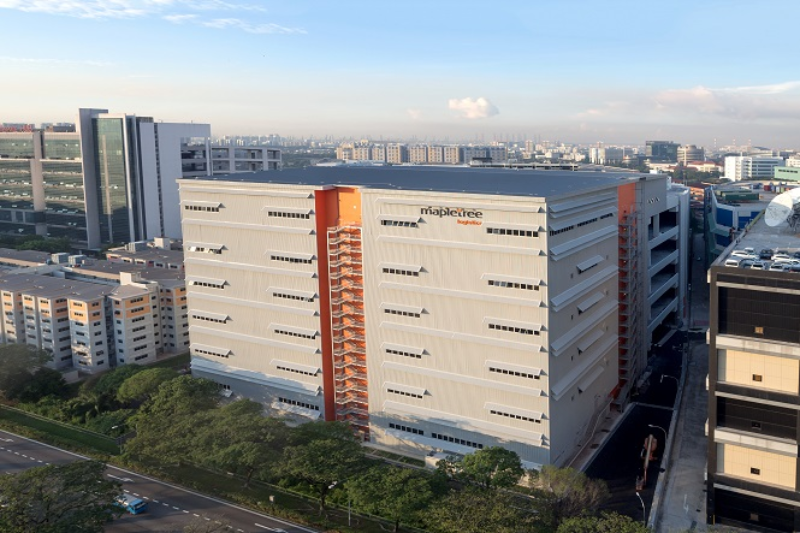
Group 1 - Goodman Group's share price increased by 9% following the announcement of a European data centre partnership [1] - The partnership with Canada Pension Plan (CPP Investments) involves a total investment of A$14 billion, with an initial capital commitment of A$3.9 billion [2] - The partnership aims to develop data centre projects in key European cities: Frankfurt, Amsterdam, and Paris [2][5] Group 2 - The European project will consist of four data centres, with a combined primary power of 435 MW and an IT load of 282 MW [5] - Construction is expected to begin by June 30, 2026, with secured power connections and planning permits already in place [5][7] - Goodman has a significant pipeline of projects, with 57% of its development work in progress focused on data centres, aligning with the growing demand for cloud computing and AI [8] Group 3 - Goodman and CPP Investments have a long-standing partnership since 2009, with this being their first data centre collaboration in Europe [4] - CEO Greg Goodman highlighted the rarity and quality of the portfolio in Europe's FLAP markets, emphasizing the importance of speed to market and delivery certainty [6] - The share price has seen a decline of over 11% in the past year, indicating reliance on capital growth rather than distribution payments [9]

Top Stock Market Highlights: GDP Forecast, Keppel DC REIT, and CapitaLand-UOL Consortium
The Smart Investor· 2025-12-19 23:30
Economic Outlook - Economists have upgraded Singapore's 2025 GDP growth forecast to 4.1%, up from 2.4% in September, driven by a stronger-than-expected third quarter expansion of 4.2% year on year [2] - Manufacturing growth expectations have increased significantly to 5.4% from 0.8%, with upward revisions in finance and insurance, wholesale and retail trade, and construction sectors [2] Inflation and Monetary Policy - Fourth quarter growth is projected at 3.6%, with 2026 growth expected to moderate to 2.3% [3] - Inflation forecasts for 2025 remain steady at 0.9% for headline and 0.7% for core inflation, with expectations of slight increases in 2026 [3] - All surveyed economists expect no changes in monetary policy during the January and April 2026 reviews, with only 11% anticipating potential tightening by July 2026 [3] Keppel DC REIT Developments - Keppel DC REIT has announced the acquisition of remaining interests in two Singapore data centres for approximately S$50.5 million, achieving 100% ownership of both properties [4] - The total acquisition outlay is about S$53.9 million, which includes purchase consideration and related expenses, and is expected to be 0.8% DPU-accretive [5] - Post-acquisition, the REIT's assets under management will increase by 3.5% to S$5.9 billion, with Singapore assets rising from 57.8% to 58.8% of the portfolio [6] CapitaLand-UOL Consortium Bid - A consortium of CapitaLand Development, CapitaLand Integrated Commercial Trust, and UOL Group submitted the top bid of S$1.5 billion for a mixed-use site in Hougang Central [7] - The site spans 504,820 square feet with a gross floor area of 1.27 million square feet, and if awarded, will feature approximately 830 residential units and 300,000 square feet of retail space [8]

3 Blue-Chip S-REITs Raising Their DPU Before 2026
The Smart Investor· 2025-11-26 23:30
Core Insights - Three blue-chip Singapore REITs are increasing their distributions for 2025, but each is following a distinct strategy that reflects varying market conditions and operational focuses [1][14]. Keppel DC REIT - Keppel DC REIT reported a 55.5% year-on-year increase in distributable income to S$195.3 million for the first nine months of 2025, with a DPU of S$0.0767, up 8.8% [3][4]. - The growth was driven by data centre acquisitions, including Keppel DC Singapore 7 & 8 and Tokyo Data Centre 1, leading to a 37.7% increase in gross revenue to S$322.4 million [3][4]. - Net property income rose 42.2% to S$280.2 million, with occupancy at 95.8% and a weighted average lease expiry of 6.7 years [4]. - The REIT is divesting non-core assets to focus on data centres, positioning itself to benefit from the AI infrastructure boom [5]. Frasers Centrepoint Trust - Frasers Centrepoint Trust achieved gross revenue of S$389.6 million for FY2025, a 10.8% increase year-on-year, while net property income rose 9.7% to S$278.0 million [5][6]. - The DPU increased only 0.6% to S$0.12113 due to dilution from a S$1.1 billion acquisition of Northpoint City South Wing [6][7]. - Despite dilution, operational metrics remained strong, with rental reversion at 7.8% and portfolio committed occupancy at 98.1% [7][8]. - The REIT is actively recycling its portfolio, including the divestment of Yishun 10 Retail Podium [9]. Mapletree Pan Asia Commercial Trust - Mapletree Pan Asia Commercial Trust reported a 3.2% decline in gross revenue to S$218.5 million for 2Q'FY5/26, while net property income fell 2.2% to S$163.9 million [10][12]. - Despite revenue decline, DPU increased by 1.5% to S$0.0201, supported by cost savings from lower operating expenses and finance costs [10][11]. - Committed occupancy was at 88.9%, with rental reversion flat at negative 0.1% for the first half [11][12]. - The REIT's revenue decline was influenced by divestments, indicating a defensive rather than growth-oriented strategy [12][13]. Comparative Analysis - All three REITs are increasing distributions, but through different mechanisms: Keppel DC REIT benefits from structural tailwinds in the data centre sector, Frasers Centrepoint Trust is focused on long-term growth despite short-term dilution, and Mapletree Pan Asia Commercial Trust is emphasizing financial discipline amid revenue challenges [14][15].
Big Tech's AI debts threatening to swamp credit markets
The Economic Times· 2025-11-25 00:56
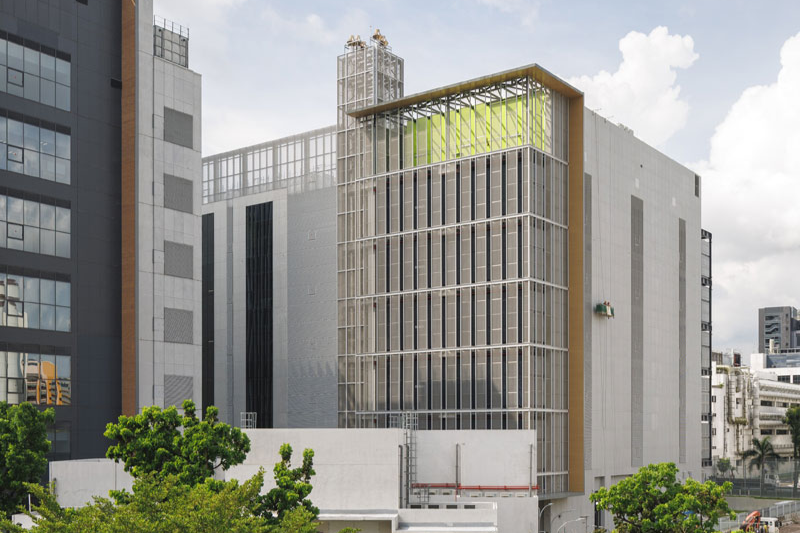
Core Viewpoint - The rapid increase in debt issuance by major tech firms to fund artificial intelligence and data center expansions could lead to market oversupply and widen credit spreads, raising concerns among investors about potential risks in the sector [1][9]. Group 1: Debt Issuance and Market Impact - Tech firms are projected to seek up to $1.5 trillion in debt by 2028 for expansion in AI and data centers, which may lead to wider spreads across the credit market [1][9]. - JPMorgan Chase's strategist Matthew Bailey expressed concerns that excessive data center financing could result in supply indigestion, particularly in dollar markets [2][9]. - The total tech debt supply is expected to exceed $900 billion next year, indicating a significant increase in borrowing needs [6][10]. Group 2: Major Players and Capital Expenditure - Major tech companies, including Alphabet, Meta, Amazon, Microsoft, and Oracle, have capital expenditure needs estimated at around $570 billion for 2026, a substantial increase from $125 billion in 2021 [6][10]. - Alphabet raised $17.5 billion in the US and ₹6.5 billion ($7.5 billion) in Europe, while Meta sold $30 billion, marking significant corporate deals in the region [5][10]. Group 3: Investor Sentiment and Market Dynamics - Despite the large-scale debt issuance, there are no broad signs of panic in the credit market, as many sales have come from top-tier companies [2][9]. - Investors are questioning the potential returns on massive AI investments, with concerns about a glut of lower-quality names in the AI space [5][10]. - The strategic importance of these projects has made tech issuers less price-sensitive, which could lead to broader market repricing [7][10]. Group 4: Credit Market Trends - Investment-grade credit spreads are expected to widen to a range of 100-110 basis points in 2026, up from 75-85 basis points this year, driven by increased bond issuance [10]. - The corporate bond market has remained stable this year, supported by significant cash inflows chasing higher yields compared to previous years [7][10]. - For European investors, the rise in issuance from Big Tech presents an opportunity for exposure that is currently underrepresented [8][10].






Italy's A2A lifts investment plan to $27 billion on data centre demand
Yahoo Finance· 2025-11-12 10:17
Group 1 - A2A has raised its total projected investments for 2024-2035 to €23 billion ($27 billion), with €1.6 billion allocated for data centres [1] - The updated business plan increases projected investment by €1 billion and raises financial targets for the latter part of the strategy period, while confirming a minimum annual dividend growth of 4% [1] - A2A's stock fell by 7% due to overly cautious financial estimates for the upcoming year, despite a 14% increase in stock price over the last 30 days [2] Group 2 - A2A aims to become a developer of data centres and a power supplier, estimating that Italian data centre electricity demand could reach 42 Terawatt hours by 2035, up from 3 TWh this year [3] - The company is in a strong position to support the development of digital infrastructures in Lombardy, which is expected to increase electricity demand and network needs [4] - A2A sees opportunities to enhance its district heating business by leveraging digital infrastructures [5] Group 3 - A2A is considering potential acquisitions beyond Italy, although it is not interested in acquiring a minority stake in rival Edison [6] - The company reported a 4% year-on-year decline in its nine-month core profit, amounting to €1.73 billion [6]