Edwards SAPIEN

Search documents
医疗器械创新揭秘:医生的“好点子”如何成为现实?
思宇MedTech· 2025-10-04 14:33
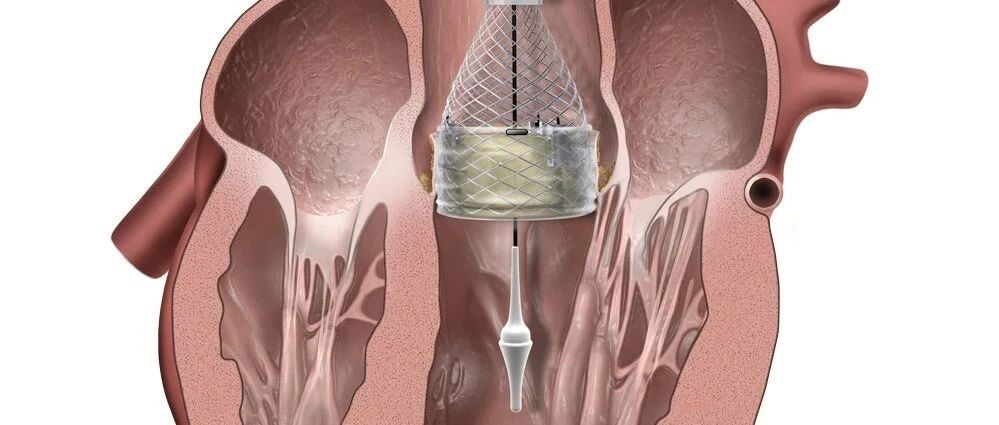
Core Viewpoint - The article emphasizes the importance of transforming clinical inspirations from doctors into tangible medical devices, highlighting the complex journey from idea to marketable product and the critical role doctors play in this innovation process [1][16]. Group 1: Sources of Inspiration - Clinical inspirations often arise from high-risk procedures, inadequate instruments, or improvised solutions during surgery, serving as the starting point for innovation [2]. - Examples include TAVR (Transcatheter Aortic Valve Replacement), which illustrates how a simple idea can evolve into a complex engineering challenge [4]. Group 2: Pathway from Idea to Product - The transition from concept to product involves a regulatory and engineering process, where early involvement of doctors in defining needs can enhance innovation efficiency [5]. - Common scenarios prompting innovation include high-risk steps that consume significant physician attention and energy, situations where existing instruments are insufficient, and improvised solutions during procedures [5]. Group 3: Challenges in Hardware Development - Hardware innovation requires precision manufacturing, reliability testing, and adherence to strict safety standards, often exceeding the intuitive understanding of physicians [7]. - Small modifications in design can necessitate comprehensive system redesigns, complicating the development process [7][10]. Group 4: Software and Algorithm Challenges - Medical software and AI algorithms must not only function but also be verifiable and traceable, maintaining stability across various clinical scenarios [12]. - The approval process for AI systems, such as IDx-DR, requires extensive validation to demonstrate consistent performance across diverse populations and settings [14]. Group 5: Role of Doctors in Innovation - Doctors should not only propose ideas but also translate clinical challenges into engineering requirements that can be executed and validated by engineers [15]. - An example is the development of the SpineAssist system, where a physician's precise definition of the problem led to a successful engineering solution [15]. Group 6: Conclusion - The journey from a doctor's idea to a medical device is lengthy and interdisciplinary, requiring rigorous validation for both hardware and software, as well as adherence to regulatory standards [16]. - Understanding these challenges encourages doctors to engage effectively in the innovation process by articulating clinical problems in engineering terms [16].