Global funds

Search documents
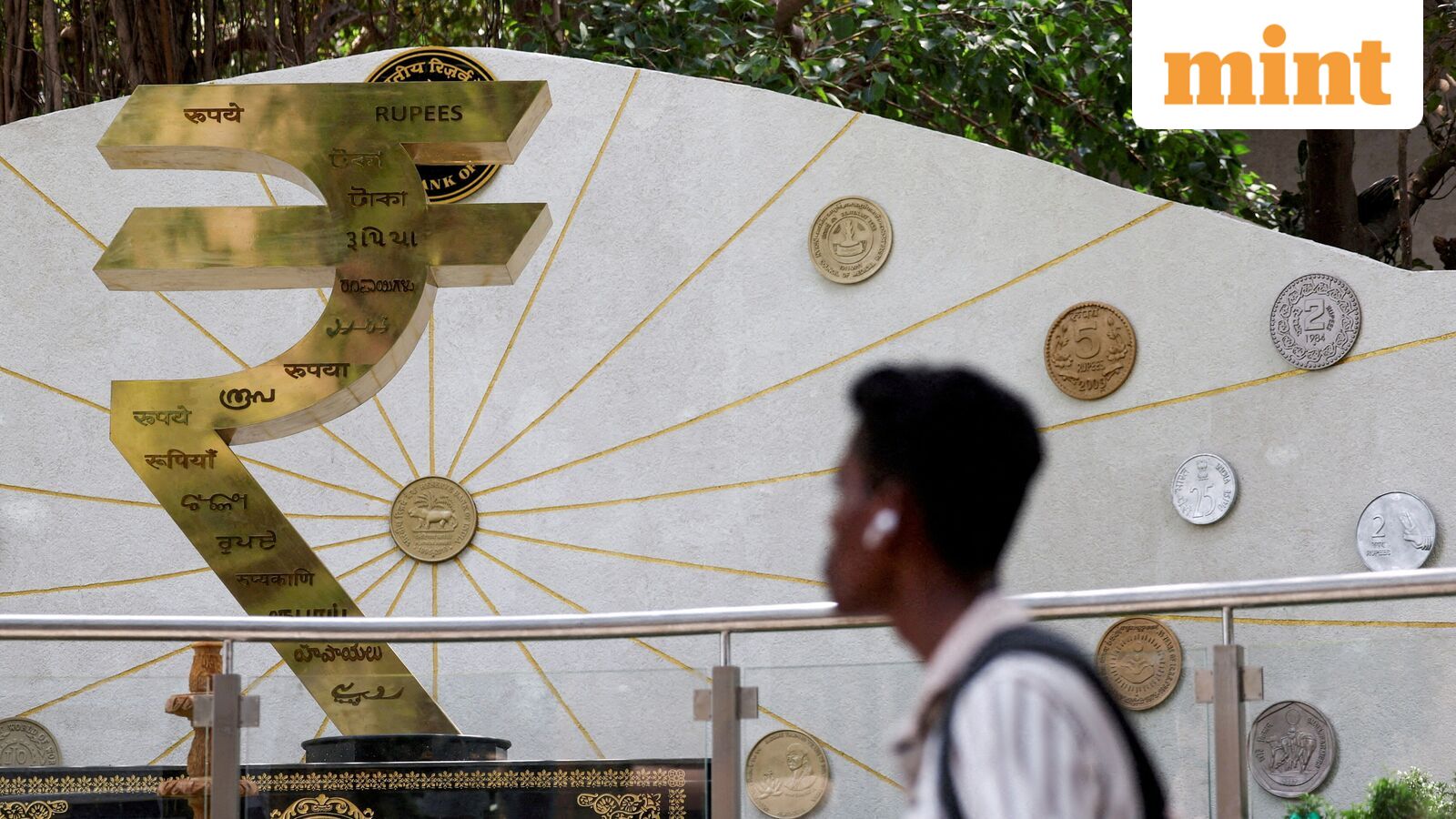
Rupee at record low: Don’t ignore international investing for hedging currency risk
MINT· 2025-12-07 11:03
Core Insights - The depreciation of the Indian rupee to a record low of ₹90 against the dollar highlights the importance of hedging investment portfolios against currency risks, especially as Indians increasingly spend in foreign currencies for various needs [1][18] - The rupee has depreciated by 5% against the dollar recently, compared to its historical annual depreciation of 2.5-3% [1] Investment Options - Domestic mutual funds face constraints due to overseas investing limits, and international ETFs are trading at premiums on domestic exchanges, limiting global diversification options [2] - Feeder funds, which invest in international funds, are available for subscription, but they are actively managed and may not provide the same comfort as broad index investments [3][4] - Foreign broker platforms like Vested and INDMoney offer access to US equities and ETFs, allowing investors to buy fractional shares, thus making high-priced stocks more accessible [5][6][18] - Gift City funds, such as the DSP MF retail outbound fund, require a minimum investment of $5,000 and have unique tax implications, with taxes applied at the fund level rather than the investor level [9][10] Taxation and Regulatory Aspects - Investments made through Gift City do not require reporting under Schedule FA in income-tax returns, making them attractive for Indian investors [17][19] - Standard taxation applies to foreign investments outside of Gift City, with short-term gains taxed at the investor's slab rate and long-term gains at 12.5% [20] Strategic Recommendations - Financial advisors recommend a global allocation of 10-30% in investment portfolios to mitigate the impact of rupee depreciation, suggesting a gradual build-up to avoid market peaks [18][21] - Investors are advised to analyze and select the right fund manager for global funds launched in Gift City, while broad-based ETFs or index funds on foreign exchanges may offer a simpler investment route [22]

Virtus Investment Partners(VRTS) - 2025 Q2 - Earnings Call Transcript
2025-07-25 15:00
Financial Data and Key Metrics Changes - Assets under management grew by 2% in the quarter, reaching $171 billion, an increase of $4 billion sequentially due to market performance [6][9] - Earnings per share as adjusted increased to $6.25 from $5.73 in the first quarter, although it decreased by 4% compared to the prior year period [13][24] - Operating margin improved to 31.3% from 27.6% in the previous quarter [12][23] Business Line Data and Key Metrics Changes - Total sales for the quarter were $5.6 billion, down from $6.2 billion in the first quarter, with net outflows of $3.9 billion primarily in equity strategies [10][17] - Positive net flows in ETFs reached $3.7 billion, with an organic growth rate of 74% over the trailing twelve months [10][19] - Institutional sales decreased to $1.3 billion from $1.5 billion, while retail separate account sales declined to $1.5 billion from $1.7 billion [17][18] Market Data and Key Metrics Changes - Net outflows in institutional products increased to $2.2 billion, driven by quality-oriented large cap strategies [18] - Fixed income strategies returned to positive flows in June after modestly negative flows in April and May [11][12] - The market sentiment in July continued to trend favorably, with stronger flow profiles for fixed income funds [11][48] Company Strategy and Development Direction - The company is focused on expanding its offerings in retail separate accounts, ETFs, and global funds, with multiple product launches anticipated [7][8] - There is an emphasis on pursuing growth opportunities in private markets and differentiated traditional strategies [8][35] - The company aims to leverage its strong liquidity and flexible balance sheet to act on strategically compelling opportunities [8][27] Management's Comments on Operating Environment and Future Outlook - Management noted that the second quarter began with challenging market conditions but saw steady improvement by June [5] - The company remains optimistic about growth opportunities, particularly in private markets and differentiated strategies [8][35] - Management highlighted that the pipeline of opportunities is at its highest level, indicating a favorable environment for product expansion [8][35] Other Important Information - The company repurchased $30 million worth of shares during the quarter, the highest level in three years, contributing to a 3% reduction in share count [13][26] - The company ended the quarter with significant liquidity and a modest net debt position, providing flexibility for future investments [13][27] Q&A Session Summary Question: Share repurchases and capital allocation - Management indicated a balanced approach to capital management, with a focus on share repurchases due to compelling stock valuation and upcoming capital uses [29][31] Question: M&A outlook and asset types - Management discussed the high level of activity in evaluating opportunities, particularly in private markets and traditional strategies, emphasizing the need for differentiated capabilities [32][35] Question: Compensation structure and expense management - Management clarified that compensation is highly variable and linked to performance, with no anticipated catch-up spending expected [39][41] Question: Flow trends in July - Management noted that July continued the positive trend seen in June, particularly in fixed income and ETFs, while quality-oriented equities faced outflows [45][48] Question: ETF platform success and growth initiatives - Management expressed satisfaction with the growth of the ETF platform, highlighting ongoing product expansion and the importance of access to financial advisors [62][65] Question: Inorganic activity prioritization - Management stated that all types of opportunities are evaluated individually, with a focus on creating long-term shareholder value through strategic partnerships [68][70]