
Housing loans

Search documents
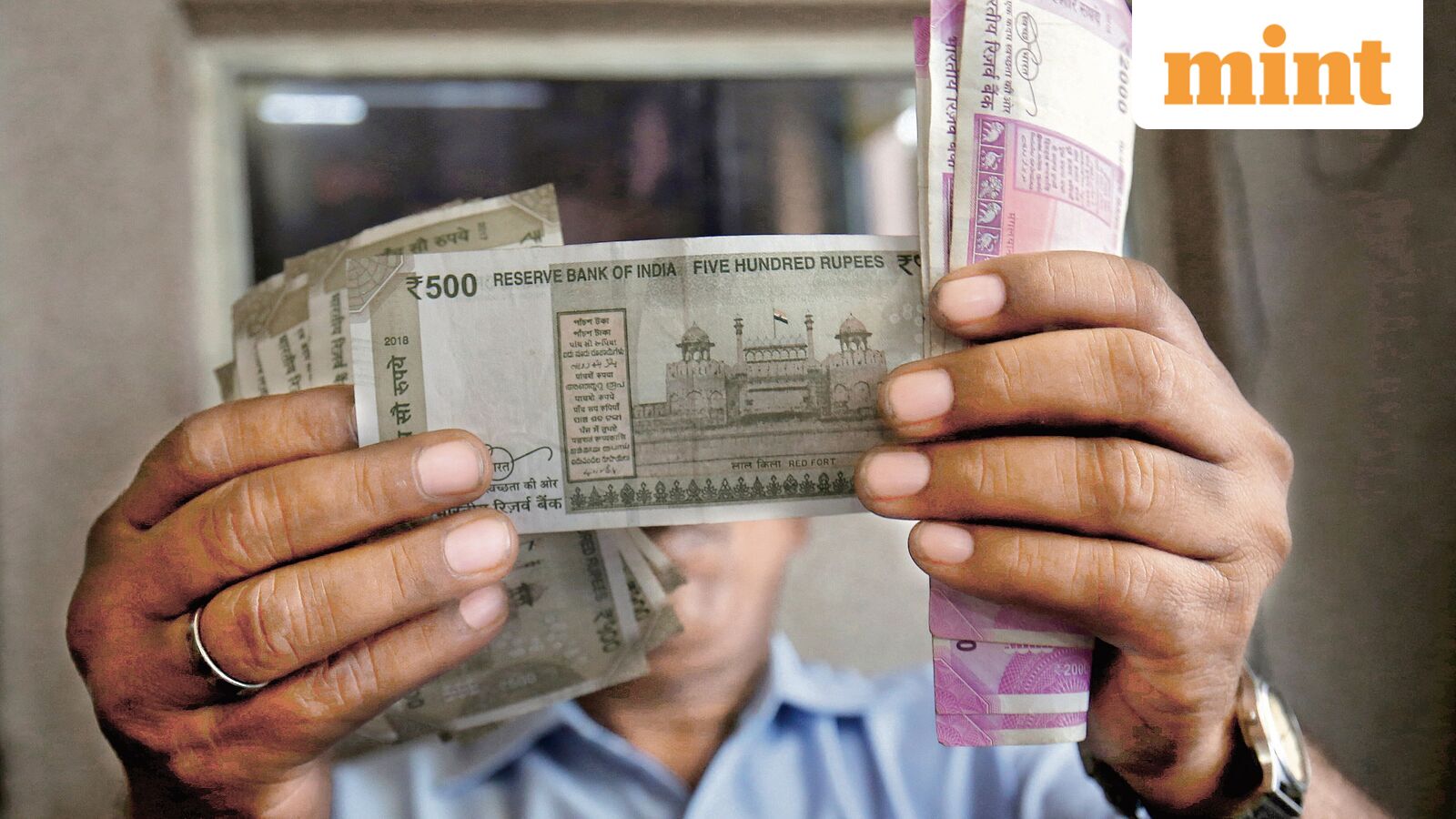
India’s high credit-deposit ratio: Is the banking system overstretched or just efficient?
MINT· 2026-02-03 04:45
Core Insights - The credit-deposit (CD) ratio of scheduled commercial banks reached 81.75% on December 31, 2025, marking the highest level since 2000-01, indicating efficient fund deployment in loans [1] Group 1: CD Ratio Trends - CD ratios typically rise during periods of booming credit and increasing economic activity, although the Reserve Bank of India (RBI) has cautioned against excessively high ratios without specifying an ideal level [2] - Over the last two decades, private sector banks have consistently maintained higher CD ratios compared to public sector banks (PSBs), with the gap widening in recent years [3][4] - The divergence in CD ratios is attributed to the differing credit and deposit profiles of private and public sector banks, with private banks being more aggressive in loan book expansion and deposit mobilization [4] Group 2: Growth Rates - From 2022-23 to 2024-25, PSBs experienced deposit growth of 8-9.5% and credit growth of 12-14.5%, while private banks saw deposit growth ranging from 12-20% and credit growth fluctuating between 9.5% and 28% [4][5] - The higher volatility in credit and deposit growth for private banks has resulted in significantly higher CD ratios compared to PSBs, which benefit from a stable deposit base [5] Group 3: Individual Bank Cases - Legacy factors have influenced the CD ratios of specific private banks, such as HDFC Bank, which inherited a large loan book post-merger without corresponding deposits, resulting in a CD ratio of 110% [8][9] - IDFC First Bank also faced a high CD ratio of 137% at the time of its merger, which was subsequently reduced to 94.7% by September 2025 [9] Group 4: Risks and Current Status - A CD ratio above 80% can lead to tighter liquidity, reliance on higher-cost borrowings, and potential deterioration in loan quality [19] - Despite the rising CD ratios, current indicators show that non-performing assets (NPAs) are at multi-decade lows, and liquidity coverage ratios exceed the benchmark, suggesting that the banking system remains healthy [20] Group 5: Future Considerations - The increasing reliance on non-deposit sources such as borrowings indicates a shift in funding dynamics, prompting discussions among bankers about modifying the CD ratio to include these sources [23]

Brazil unveils new housing credit model, freeing up $6.7 billion for new loans
Yahoo Finance· 2025-10-10 17:49
Core Insights - Brazil's government has introduced a new real estate funding framework aimed at increasing housing loans by releasing 36.9 billion reais ($6.72 billion) from bank resources [1][3] Group 1: Changes in Funding Framework - The new model allows banks to use savings account funds without mandatory allocation to specific sectors, easing the previous restrictions [2][4] - The central bank anticipates that this overhaul will unlock 111 billion reais in new loans in the first year, significantly higher than the current framework [3] Group 2: Impact on Housing Loans - Until the end of next year, banks are required to allocate 65% of savings deposits to housing loans, with 15% available for free use [4] - The government expects that the new flexibility will enhance banks' profitability and lead to lower rates on housing loans funded through alternative sources [5] Group 3: Regulatory Adjustments - From 2027, banks that secure market funding for housing loans will be able to use an equivalent amount from savings accounts for free allocation [4] - Under the new rules, 80% of housing loans must adhere to the Housing Finance System, which caps interest rates at 12% annually [5]