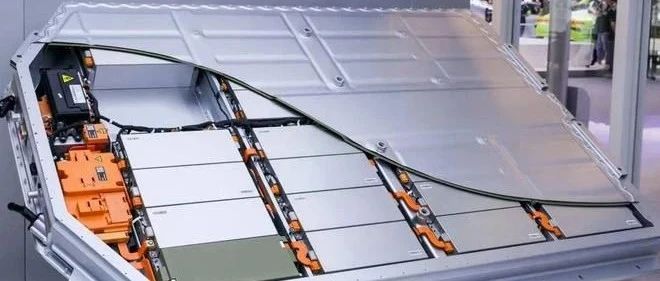
Lithium iron phosphate battery

Search documents
First Phosphate secures funding for drill program at Bégin-Lamarche property - ICYMI
Proactiveinvestors NA· 2025-11-08 14:06
Core Viewpoint - First Phosphate Corp. is conducting a strategic capital raise to accelerate exploration and development of its phosphate resource, with participation from existing investors [1][3]. Funding and Development Plans - The additional capital will fund a 30,000-meter drill program at Bégin-Lamarche in Quebec, aimed at supporting a block model and a feasibility study expected by mid-2026 [2][3]. - The company currently has between $18 to $19 million in the bank, and this funding will extend its financial runway until the end of 2026 [6]. Strategic Vision - First Phosphate aims to establish a fully integrated North American battery supply chain, utilizing its phosphate resource to produce batteries for the North American lithium iron phosphate (LFP) industry [4][5]. - The urgency of production is emphasized due to geopolitical tensions, particularly China's threats to cut off supplies of critical materials [5]. Competitive Position - The funding will strengthen the company's competitive position in the growing demand for lithium iron phosphate materials and enhance its ability to capitalize on North American sources [6].


EV battery startup Our Next Energy to exit most of its factory space
Yahoo Finance· 2025-09-16 18:25
Core Insights - Our Next Energy is planning to vacate a significant portion of its factory space in Van Buren Township, Michigan, where it had intended to invest $1.6 billion and create 2,112 jobs, due to uncertainties in the electric vehicle (EV) market [1][2] - The Michigan Economic Development Corp. has halted further payments of taxpayer funds, totaling $70.2 million disbursed so far, under the current agreement supporting the project [2][7] - The company has adjusted its business strategy in response to delays in automotive contracting and a lack of demand for EVs, which has led to a dramatic pullback in investments from automakers [3][5] Company Developments - Our Next Energy initially aimed to establish a domestic lithium iron phosphate battery plant, supported by $237 million in taxpayer subsidies, to provide a more sustainable battery option for automakers [4] - The company has created approximately 70 jobs and invested $117.6 million in eligible costs under its agreement with the state, employing a total of 180 people in Novi, Michigan [6] - The company will continue to operate its cell production pilot line in Van Buren Township despite the planned reduction in factory space [6] Economic and Regulatory Context - The demand for EVs has not materialized as expected, leading to a collapse in the business case for battery plants, exacerbated by the rollback of EV tax credits and fuel emission regulations by the Trump administration [5] - The Michigan Economic Development Corp. is in ongoing discussions with Our Next Energy to assess the potential impacts on the incentive agreement, while no new disbursements will be made until the agreement is updated [7]
钴镍铜价格震荡 电池市场影响几何?
高工锂电· 2025-03-30 11:21
Core Viewpoint - The supply and price fluctuations of battery metals such as cobalt, nickel, and copper are raising new market concerns, driven by various regulatory changes and geopolitical factors affecting supply chains and production costs [1][3]. Group 1: Cobalt Market Dynamics - The Democratic Republic of Congo (DRC) dominates global cobalt supply, accounting for over 78%, and its upcoming export ban in February 2025 has led to a dramatic price surge from 162,000 CNY/ton to 260,000 CNY/ton, a rise of over 60% [3]. - The DRC government may extend the export ban to maintain high prices, which, along with cooperation with Indonesia, signals long-term supply concerns [3]. - The price increase in cobalt directly impacts battery cathode material costs, with prices for ternary precursors (523 and 622 types) rising by 30% and 28%, respectively, and lithium cobalt oxide increasing by 20% [3][4]. Group 2: Nickel Supply Constraints - Indonesia and the Philippines, which together account for over 70% of global nickel supply, are tightening policies, with Indonesia raising nickel ore tax rates and the Philippines planning to ban raw ore exports [6]. - These policy changes have led to increased mining costs and a supply gap of 5,000 tons for nickel sulfate in Q1, pushing nickel prices upward [6]. - The rising nickel prices are affecting the cost of nickel sulfate and may force automotive companies to reassess their technology routes due to increased procurement costs of 15%-20% for smelters [7]. Group 3: Copper Market Fluctuations - The global copper market is experiencing significant volatility, with prices reaching historical highs, driven by expectations of potential high tariffs on imported copper in the U.S. [8]. - Approximately 500,000 tons of copper are currently being redirected to the U.S. market, exacerbating supply tightness in non-U.S. regions, particularly Asia [8]. - The continuous rise in copper prices translates to cost pressures for battery manufacturers, as copper foil constitutes 10%-15% of total battery costs, thereby squeezing profit margins [8][2].