Mini 4 PRO无人机

Search documents
大疆为何降价?
Cai Jing Wang· 2025-10-23 08:14
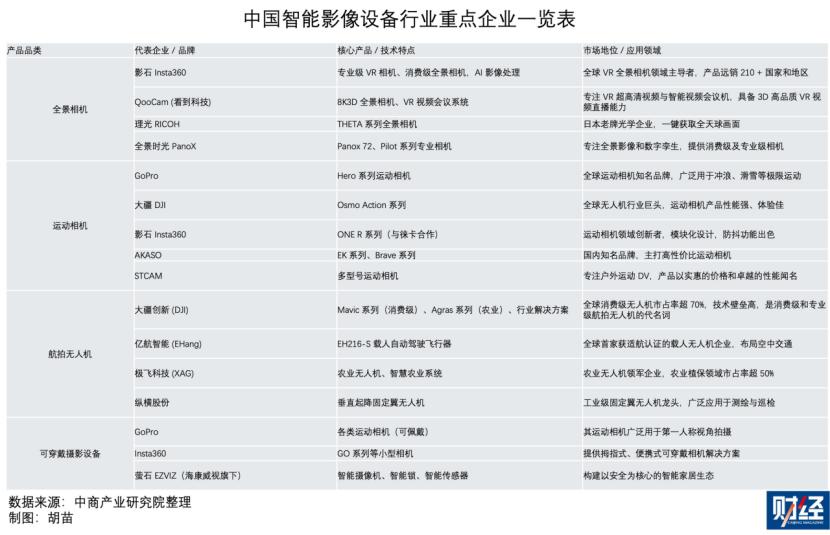
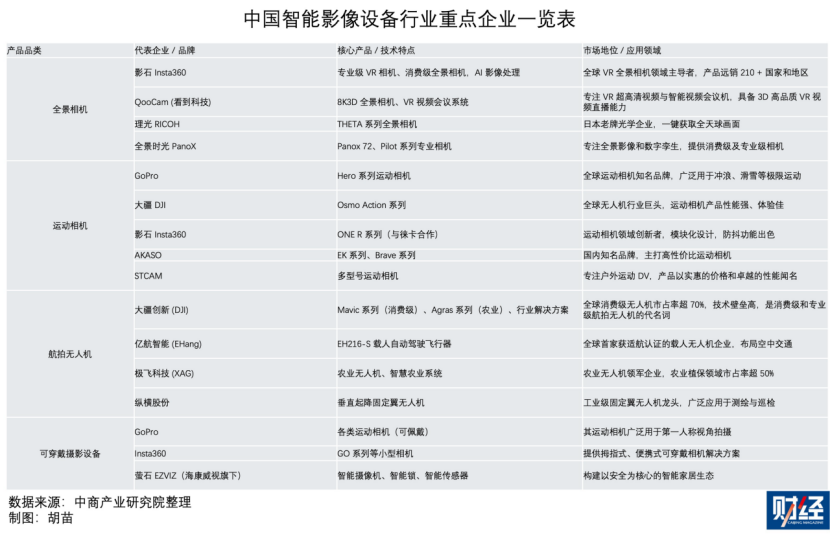
Core Insights - The competition in the smart hardware industry is becoming increasingly complex, and price reductions alone are insufficient to satisfy consumers [1][3][19] - DJI's recent price cuts on multiple products did not lead to the expected surge in sales, instead causing dissatisfaction among consumers due to inconsistent price protection policies across different sales channels [1][5] - DJI's core business, particularly in consumer drones and handheld imaging devices, is facing new challenges from various competitors [1][14][19] Group 1: DJI's Market Position and Challenges - DJI has maintained a dominant position in the global drone market with over 70% market share, although this has decreased from a peak of 85% [2][15] - The consumer drone market is approximately $10 billion, with increasing competition from brands like XAG and Xiaomi, which are targeting entry-level segments [2][15] - The handheld imaging device market is smaller, with DJI's market share declining from 19.1% to 13.2% as competitors like Insta360 gain ground [2][16] Group 2: Price Reduction Strategy and Market Reactions - DJI's recent price cuts included significant reductions, such as a drop of 1,478 yuan for the Mini 4 PRO drone and 1,129 yuan for the Osmo Action 4 camera, indicating a more aggressive promotional strategy [4][5] - The price reduction led to a backlash from consumers, particularly regarding inconsistent price protection policies between online and offline channels, prompting some retailers to offer special subsidies to affected customers [5][6] Group 3: Competitive Landscape and Industry Dynamics - The smart hardware industry is witnessing blurred boundaries as companies like Insta360 and GoPro respond to DJI's price cuts with their own promotions, indicating a price war [6][20] - New entrants, including smartphone manufacturers like Vivo and OPPO, are entering the handheld imaging market, intensifying competition [17][20] - The industry is shifting from single-product competition to ecosystem battles, where companies leverage their technological strengths across different product categories [22]

大疆,进攻还是防守?
3 6 Ke· 2025-10-23 03:34
Core Insights - DJI's recent price cuts on multiple products ahead of the 2025 "Double Eleven" event did not generate the expected surge in consumer demand, leading to market controversies and consumer dissatisfaction [1][5][6] - The price reduction is part of DJI's regular promotional strategy, but inconsistencies in price protection policies between online and offline channels have caused frustration among consumers [1][5] - DJI's core business, particularly in consumer drones and handheld imaging devices, is facing increasing competition from various players, prompting the need for inventory clearance and new product introductions [3][10] Market Overview - The global drone market is projected to reach approximately $54.6 billion in 2024, with DJI maintaining over 70% market share, although it has declined from a peak of 85% [2][15] - The consumer drone segment is valued at around $10 billion, with competitors like XAG and brands from Xiaomi and Huawei entering the market with lower-priced alternatives [2][15] - The handheld imaging device market is smaller, with a projected global market size of approximately 42.4 billion yuan in 2024, where DJI's market share has decreased from 19.1% to 13.2% [2][16] Competitive Landscape - DJI's price cuts have triggered reactions from competitors, with companies like Insta360 and GoPro launching their own promotions to counter DJI's pricing strategy [6][20] - The competitive environment in the smart hardware sector is becoming increasingly chaotic, with companies crossing traditional boundaries to capture market share [3][19] - New entrants, including smartphone manufacturers like Vivo and OPPO, are also entering the handheld imaging market, intensifying competition [17][20] Product Strategy - DJI's recent price cuts included significant reductions on popular products, such as the Mini 4 PRO drone and Osmo Action 4 camera, with discounts exceeding 1,000 yuan [4][5] - The company is also diversifying its product offerings, including the launch of a new sweeping robot, leveraging its existing technology in visual perception and motion control [21][22] - DJI's historical pricing strategies have often involved adjustments for older models and entry-level products, with recent promotions being more aggressive than usual [8][10] Consumer Response - Following the price cuts, many consumers expressed dissatisfaction on social media, particularly regarding inconsistent price protection policies across different sales channels [5][6] - Retailers like Sam's Club have had to implement special subsidies to address the backlash from customers who felt misled by the price changes [5][6] Future Outlook - The ongoing competition and market dynamics suggest that DJI's position as a market leader is being challenged, necessitating strategic adaptations to maintain its competitive edge [19][23] - The blurring of boundaries between different product categories indicates a shift towards an ecosystem-based competition, where companies must innovate continuously to stay relevant [22][23]