Portable Microplate Reader

Search documents
行业聚焦:全球便携式酶标仪行业头部企业市场份额及排名情况
QYResearch· 2025-11-21 03:14
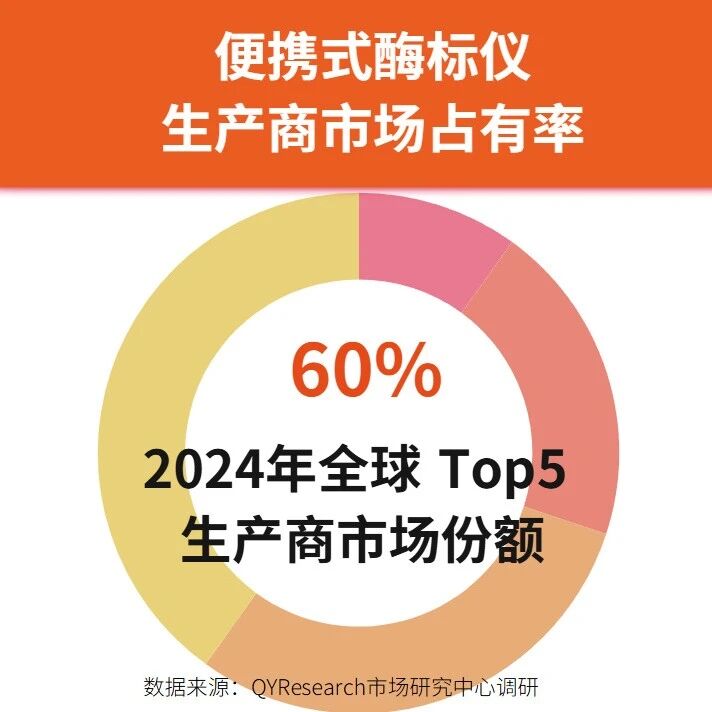
Core Insights - The portable microplate reader market is experiencing rapid growth driven by the increasing demand for point-of-care testing (POCT), ongoing investment in biopharmaceutical research, and the advancement of grassroots healthcare in emerging markets [4][10] - The market is highly concentrated, dominated by a few major players such as Thermo Fisher Scientific, BIO-RAD, and PerkinElmer, which have established strong market barriers through brand reputation and extensive sales networks [4][9] Market Trends and Drivers - The key drivers for the growth of the portable microplate reader market include the significant expansion of POCT demand, particularly in grassroots healthcare and emergency response scenarios [10] - Continuous investment in biopharmaceutical and life sciences research, along with advancements in detection technology towards miniaturization, automation, and user-friendliness, are also contributing to the market's growth [10] Opportunities and Challenges - Government support for precision medicine and public health emergency capabilities presents clear market opportunities, especially in infectious disease monitoring and bedside diagnostics [5] - However, increasing regulatory scrutiny and stringent medical device approval processes raise market entry barriers and costs, posing challenges for companies [5] Market Size and Growth Projections - According to QYResearch, the global portable microplate reader market is expected to reach USD 1.05 billion by 2031, with a compound annual growth rate (CAGR) of 4.5% in the coming years [5] Competitive Landscape - The top five manufacturers, including Thermo Fisher Scientific, BIO-RAD, and PerkinElmer, hold approximately 60% of the market share, indicating a highly concentrated competitive environment [9] Future Industry Opportunities - Future opportunities lie in upgrading grassroots healthcare systems in emerging markets and penetrating non-traditional clinical fields such as veterinary, food safety, and environmental monitoring [12] - The integration of artificial intelligence and IoT technologies for smart interpretation and remote data management is expected to create new application scenarios and business models [12]