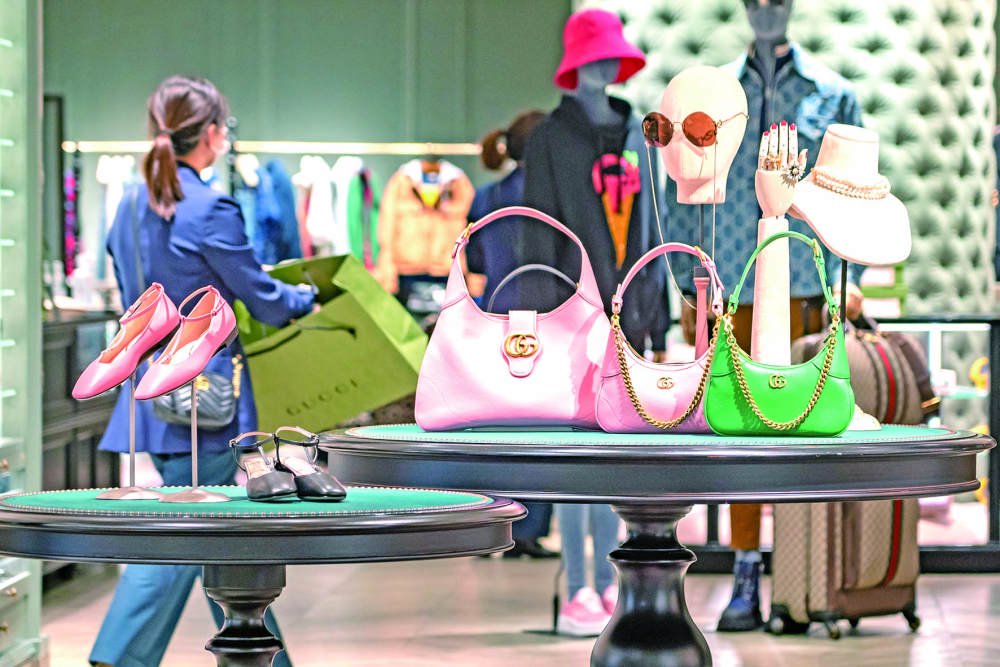
Roulette Bag

Search documents
2025二手奢侈品市场消费趋势:从“捡漏”到“投资”
Xin Lang Cai Jing· 2026-01-09 22:53
Core Insights - The second-hand fashion and luxury goods market is projected to become a significant growth engine in the global fashion industry by 2025, with a market size of $210 billion to $220 billion and a stable annual growth rate of 10%, three times that of the primary market [1][3] - The market is characterized by "scale expansion and structural upgrading," with the second-hand luxury goods market currently accounting for 8% of total global luxury sales, expected to exceed $320 billion to $360 billion by 2030, increasing its market share to 10% [3][4] - The demand for second-hand luxury items is driven by both buyers seeking value and sellers looking to declutter and generate income, with online platforms becoming the primary channel for transactions [4][6] Market Dynamics - The second-hand luxury market is supported by a dual-driven model from both buyers and sellers, with nearly 80% of buyers citing value for money as their primary reason for purchasing second-hand items [4] - The market is seeing a significant influence from Generation Z, who have a higher proportion of second-hand items in their wardrobes (32%) and prioritize style expression and unique experiences over mere cost [5][6] - Regional differences are evident, with American consumers leading in acceptance of second-hand luxury goods, particularly in handbags, while European consumers focus more on sustainable fashion practices [6][7] Brand Value and Investment - The valuation of luxury brands in the second-hand market is shifting from "market heat" to "value retention," with brands like Hermès and Goyard achieving high resale values, indicating strong investment potential [8][9] - The resurgence of retro styles is driving demand, with significant increases in search volumes for iconic bags from the 2000s, reflecting consumer nostalgia and emotional connection to these items [9] - The luxury jewelry sector is anticipated to become the next growth hotspot, as consumer interest in sustainable luxury and investment pieces rises [11] Future Outlook - The second-hand luxury market is expected to continue its growth trajectory into 2026, with traditional luxury brands focusing on craftsmanship and innovation to attract consumers [10][11] - Brands are encouraged to develop clear second-hand strategies to balance pricing and enhance customer trust, particularly among affluent consumers [11] - The evolving consumer mindset towards sustainability and value will further shape the second-hand luxury market, creating opportunities for brands that adapt to these changes [10][11]