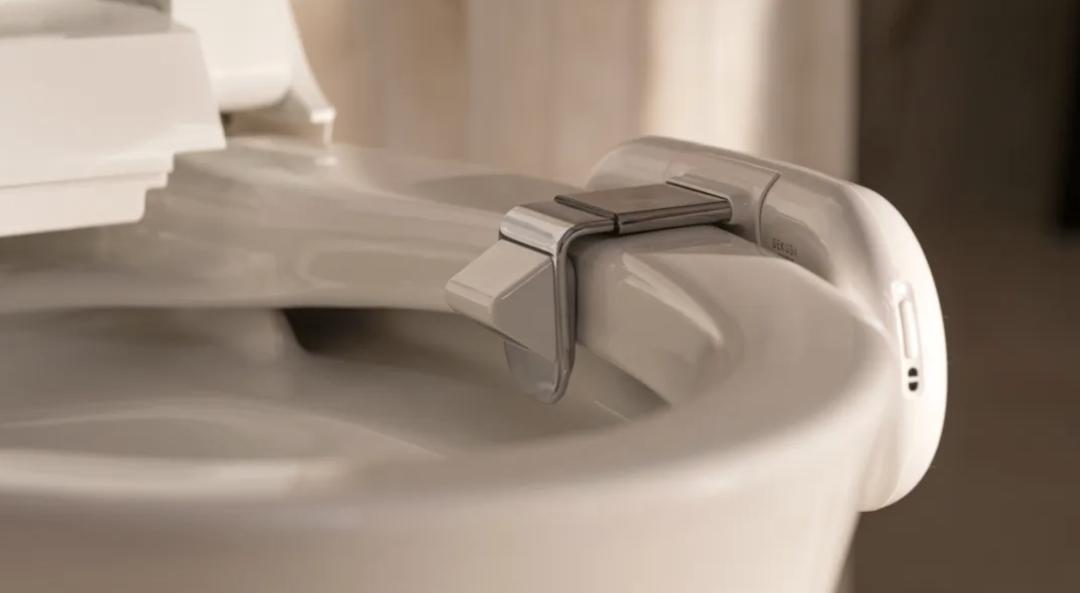
Throne 摄像头

Search documents
5000 块请 AI 看我“上厕所”?科勒这个新产品把美国人整不会了
3 6 Ke· 2025-10-23 09:04
Core Viewpoint - The introduction of Kohler's Dekoda smart toilet blurs the lines between home and healthcare, raising ethical questions about privacy and the value of health data derived from human waste [3][25]. Group 1: Product Overview - Dekoda features a micro HD AI camera that analyzes waste to provide insights into gut health and hydration levels, including detecting blood in the toilet [1][7]. - The product is designed to be installed on standard toilets, utilizing a modular approach that allows for the addition of AI capabilities without replacing the entire toilet [7][19]. - Kohler emphasizes data privacy, offering end-to-end encryption and optional fingerprint locks to control camera usage [9][12]. Group 2: User Acceptance and Concerns - Initial reactions to the idea of a camera in the toilet are overwhelmingly negative, with concerns about privacy and the potential for misuse [3][4]. - Overcoming psychological barriers is crucial for user acceptance, as the product challenges deeply ingrained notions of privacy [4][9]. - Users express skepticism about the necessity and hygiene of adding a complex device to a toilet, questioning the practicality of maintaining cleanliness [23][24]. Group 3: Functionality and Limitations - Dekoda primarily functions as a monitoring device, recording frequency and characteristics of bowel movements, but its analysis capabilities are currently limited [10][18]. - The app uses the Bristol stool scale to categorize gut health but lacks comprehensive diagnostic capabilities, raising questions about its effectiveness as a health tool [12][18]. - The product's hydration analysis is simplistic, categorizing users as either hydrated or dehydrated without providing detailed insights [15][18]. Group 4: Pricing and Market Position - Dekoda is priced at $599, which includes additional components like a removable battery and a fingerprint lock, but does not include the cost of the toilet itself [19][21]. - Users must also subscribe to the Kohler Health app, with annual costs ranging from $26 to $70, leading to frustration over ongoing expenses [19][21]. - The product's high price point and subscription model may deter potential customers, especially when simpler alternatives exist [21][24]. Group 5: Industry Context - Kohler is not the first to explore smart toilet technology; similar products have emerged from startups like Throne and Withings, indicating a growing interest in health monitoring through everyday objects [25][27][29]. - The trend reflects a broader movement towards integrating technology into personal health management, raising questions about the balance between health benefits and privacy concerns [31].