
Totino's

Search documents
Meet the Value Stock With a 6.6% Dividend Yield That's Begging to Be Bought in April
The Motley Fool· 2026-03-28 10:05
Core Viewpoint - General Mills has experienced a significant decline in stock price, down 36.7% over the past year and 40% over the last decade, contrasting sharply with a 222% gain in the S&P 500 [1] Financial Performance - The company is forecasting a 16% to 20% decline in adjusted earnings per share (EPS) for fiscal 2026, following a 7% decline in fiscal 2025 [3] - General Mills' dividend yield has increased to 6.6%, significantly higher than competitors Coca-Cola and PepsiCo, which yield 2.8% and 3.8% respectively [2] Market Sentiment - There is a growing negative sentiment towards consumer-facing companies, particularly those selling non-essential products, which has affected General Mills despite its essential food offerings [5] Operational Challenges - Inflationary pressures are impacting General Mills' margins, and the company has struggled to offset these costs through volume and price increases [4] - The latest quarterly results do not account for rising oil prices, which further strain household budgets [4] Strategic Adaptation - General Mills is focusing on healthier product offerings, with successful brands like Nature Valley and innovations in protein and fiber, such as the expansion of Cheerios Protein [7][8] - The company is adapting to consumer trends by emphasizing snacks and meals that support weight loss goals, including the launch of Ghost protein bars [8][9] Investment Potential - General Mills is considered a high-conviction buy due to its low valuation, affordable dividend based on free cash flow, and a strong brand portfolio positioned to adapt to health trends [10] - The company has made progress in cost-cutting and improving its balance sheet, indicating a clear path to recovery in the coming years [10]


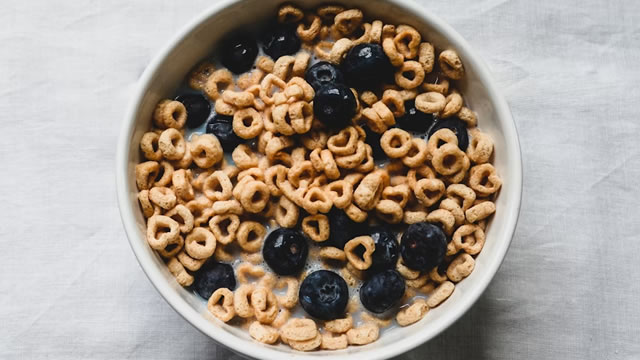
General Mills Q3 Earnings Call Highlights
Yahoo Finance· 2026-03-18 23:20
Core Viewpoint - General Mills is focusing on improving its North America Retail competitiveness through innovation, renovation, and enhanced marketing returns, while also managing pricing strategies to drive better dollar sales results in fiscal 2027 [1][4]. Financial Performance - The company reported net sales of $4.4 billion in Q3, a decline of 8%, with organic sales down 3%. Adjusted operating profit was $547 million, and adjusted EPS was $0.64, attributed to planned reinvestment and other factors [7]. - Management expects meaningful improvements in top and bottom line performance starting in Q4, supporting the decision to reaffirm fiscal 2026 guidance despite current challenges [2][6]. Strategic Initiatives - General Mills has made a strategic decision to reinvest in brand competitiveness, which has led to short-term pressures but is showing early signs of progress in household penetration and market share [3][4]. - The company is targeting $600 million in total savings this year and aims for a 5% improvement in cost of goods sold (COGS) in fiscal 2026, alongside a projected 25% increase in net sales from new North America Retail products [5][6]. Innovation and Product Development - New product growth is tracking at about 25% in North America Retail, with significant consumer interest in products emphasizing protein and fiber [8][9]. - The company plans to launch several new products in fiscal 2027, focusing on functional nutrition and flavor initiatives, supported by increased media investment [9][10]. Market Dynamics - The company is experiencing challenges in the foodservice segment, with at-home eating occasions stable but commercial traffic slightly down. The yogurt divestiture and flour business issues have contributed to profit declines [12]. - In the snacks category, General Mills has seen growth in salty snacks but faced challenges with specific products like Totino's, prompting a shift back to previous packaging formats to restore perceived value [13][14]. Divestiture and Portfolio Management - General Mills has agreed to divest its Brazil business, which lacked scale and profitability, to focus resources on more profitable global platforms [15]. - The divestiture is expected to improve the international segment's margin profile and allow for a more disciplined portfolio approach [15]. Future Outlook - Looking ahead to Q4, management anticipates improvements in organic sales trends due to mechanical factors, including a reversal of retailer inventory dynamics and trade expense timing [17].
General Mills(GIS) - 2025 FY - Earnings Call Transcript
2025-09-30 13:32
Financial Data and Key Metrics Changes - Fiscal 2025 results did not meet expectations, with organic net sales and adjusted operating profit falling short, despite exceeding cost savings and free cash flow conversion goals [4][5][6] - Delivered Holistic Margin Management (HMM) savings totaling 5% of cost of goods, which is at the top of the industry [5][6] - Strong free cash conversion in fiscal 2025 allowed the company to return $2.5 billion to shareholders through dividends and share repurchases [6] Business Line Data and Key Metrics Changes - The North America yogurt business was divested, and Whitebridge Pet Brands was added to the North America Pet segment, focusing on categories with stronger long-term growth opportunities [6] - The company has turned over 30% of its net sales base since fiscal 2018, contributing more than a point of growth to projected long-term category growth exposure [6] Market Data and Key Metrics Changes - In Q1 fiscal 2026, there was a low single-digit decline in organic net sales and a double-digit decline in adjusted operating profit and adjusted diluted earnings per share [9][10] - End market results were broadly in line with expectations, with strength in pound share on eight of the top ten categories in North America Retail [9] Company Strategy and Development Direction - The Accelerate strategy remains the framework for long-term growth and returns, focusing on restoring volume-driven organic sales growth in fiscal 2026 [4][10] - Three priorities for fiscal 2026 include returning the North America Retail segment to volume growth, accelerating growth in North America Pet, and driving efficiencies to reinvest in growth [7][8] Management's Comments on Operating Environment and Future Outlook - The company is navigating an evolving operating environment characterized by economic uncertainty, geopolitical conflict, and regulatory changes [6][10] - Management is confident in the ability to restore sustainable, volume-driven organic sales growth, which is seen as the foundation for long-term value creation [10] Other Important Information - The company reported preliminary voting results indicating that all management proposals were approved, while both shareholder proposals failed to gain majority support [24][25] Q&A Session Summary Question: Approach to supporting healthy diets and providing nutrient information - The company has a history of providing access to important nutrition and has consistently evolved its portfolio to improve nutritional characteristics [29] Question: Thoughts on M&A activity in the food industry and divestiture criteria - The company maintains an ongoing M&A capability and has turned over about 30% of its net sales base since fiscal 2018 to focus on brands with stronger growth prospects [30] Question: Global transformation initiative and savings reinvestment - The global transformation initiative is expected to generate $100 million in savings for fiscal 2026, which will be reinvested to fuel growth investments [31]
General Mills(GIS) - 2025 FY - Earnings Call Transcript
2025-09-30 13:32
Financial Data and Key Metrics Changes - Fiscal 2025 results did not meet expectations, with organic net sales and adjusted operating profit falling short, despite exceeding cost savings and free cash flow conversion goals [4][5] - Delivered savings totaling 5% of cost of goods, which is at the top of the industry, helping to offset input cost inflation [5][6] - Strong free cash conversion in fiscal 2025 allowed the company to return $2.5 billion to shareholders through dividends and share repurchases [6] Business Line Data and Key Metrics Changes - The North America yogurt business was divested, and White Bridge Pet Brands was added to the North America Pet segment, focusing on categories with stronger long-term growth opportunities [6] - The company has turned over 30% of its net sales base since fiscal 2018, contributing more than a point of growth to projected long-term category growth exposure [6] Market Data and Key Metrics Changes - In the first quarter of fiscal 2026, there was a low single-digit decline in organic net sales and a double-digit decline in adjusted operating profit and adjusted diluted earnings per share [9] - End market results were broadly in line with expectations, with strength in pound share on eight of the top ten categories in North America retail [9] Company Strategy and Development Direction - The Accelerate strategy remains the framework for driving long-term growth and returns for shareholders, focusing on restoring volume-driven organic sales growth in fiscal 2026 [4][10] - Three priorities for fiscal 2026 include returning the North America Retail segment to volume growth, accelerating growth in North America Pet, and driving efficiencies to reinvest in growth [7][8] Management's Comments on Operating Environment and Future Outlook - Management acknowledged a challenging macro-economic backdrop and value-seeking consumer behavior that pressured top-line results [5][10] - The company is focused on restoring sustainable, volume-driven organic sales growth, which is seen as the foundation for long-term value creation [10] Other Important Information - The company reported preliminary voting results indicating that all management proposals were approved, while both shareholder proposals failed to gain majority support [24][25] Q&A Session Summary Question: Approach to supporting healthy diets and providing nutrient information - The company has a long history of providing access to important nutrition and has consistently evolved its portfolio to improve nutritional characteristics [29] Question: Thoughts on transformational M&A activity in the food industry - The company maintains an always-on M&A capability and will continue to look for opportunities to upgrade its growth profile through acquisitions and divestitures [30] Question: Global transformation initiative and expected savings - The global transformation initiative is designed to enhance and streamline processes, with savings expected to be reinvested into growth investments [31]
General Mills(GIS) - 2025 FY - Earnings Call Transcript
2025-09-30 13:30
Financial Data and Key Metrics Changes - Fiscal 2025 results did not meet expectations, with organic net sales and adjusted operating profit falling short, despite exceeding cost savings and free cash flow conversion goals [4][5][10] - Delivered savings totaling 5% of cost of goods, which is at the top of the industry, helping to offset input cost inflation [5][6] - Strong free cash conversion in fiscal 2025 allowed the company to return $2.5 billion to shareholders through dividends and share repurchases [6] Business Line Data and Key Metrics Changes - The North America yogurt business was divested, and White Bridge Pet Brands was added to the North America Pet segment, focusing on categories with stronger long-term growth opportunities [6][8] - The company has turned over 30% of its net sales base since fiscal 2018, contributing more than a point of growth to projected long-term category growth exposure [6][10] Market Data and Key Metrics Changes - In Q1 fiscal 2026, there was a low single-digit decline in organic net sales and a double-digit decline in adjusted operating profit and adjusted diluted earnings per share [10][11] - The company expects declines to continue in Q2 before improving in the second half and returning to growth in Q4 [11] Company Strategy and Development Direction - The Accelerate strategy remains the framework for driving long-term growth and returns for shareholders, focusing on restoring volume-driven organic sales growth in fiscal 2026 [4][8] - Three priorities for fiscal 2026 include returning the North America Retail segment to volume growth, accelerating growth in North America Pet, and driving efficiencies to reinvest in growth [8][9] - The Remarkable Experiences Framework will assess brands across five dimensions to identify strengths and opportunities for improvement [9] Management's Comments on Operating Environment and Future Outlook - The management acknowledges a challenging macro-economic backdrop and value-seeking consumer behavior impacting top-line results [5][7] - The company is focused on balancing reinvestment for long-term growth with cost savings to fund that growth [8][11] - Confidence in the ability to deliver fiscal 2026 goals is emphasized, supported by strong brands and industry-leading capabilities [11] Other Important Information - The company reported preliminary voting results indicating that all management proposals were approved, while both shareholder proposals failed to gain majority support [24][25] Q&A Session Summary Question: Approach to supporting healthy diets and providing nutrient information - The company has a long history of providing access to important nutrition and has consistently evolved its portfolio to improve nutritional characteristics [28] Question: Thoughts on transformational M&A activity in the food industry - The company maintains an always-on M&A capability and will continue to look for opportunities to upgrade the growth profile through acquisitions and divestitures [30] Question: Global transformation initiative and expected savings - The global transformation initiative is designed to enhance processes and free up resources for reinvestment, with savings expected to be utilized for growth investments [31]
General Mills(GIS) - 2026 Q1 - Earnings Call Transcript
2025-09-17 14:02
Financial Data and Key Metrics Changes - The company reported a profit performance in Q1 that was better than expected, with operating profit and EPS showing positive results due to lighter inflation phasing and trade expense timing benefits [43][44][46] - The overall volume reported was down by 1%, despite holding or gaining share in eight out of ten categories, primarily due to declines in flour and desserts [17][20] Business Line Data and Key Metrics Changes - The company saw improvements in volume for its top ten categories, with notable growth in refrigerated dough, fruit snacks, and salty snacks, while the cereal business showed second consecutive quarter of pound share growth [20][50] - New product volumes increased by 25%, with successful launches such as Cheerios Protein and Mott bars contributing to this growth [6][62] Market Data and Key Metrics Changes - The North America Retail segment's volume remained flat, with a slight decline in overall volume reported, attributed to specific categories like flour and desserts [11][17] - The pet food segment held its pound share, with positive growth in the Blue Buffalo Life Protection Formula and cat feeding business, although the Wilderness brand faced challenges [26][27] Company Strategy and Development Direction - The company is focused on returning to profitable organic growth as a primary strategy, emphasizing significant investments in innovation, new product launches, and brand campaigns [3][5] - The company plans to complete price adjustments across two-thirds of its portfolio to enhance competitiveness and drive value for consumers [36][37] Management's Comments on Operating Environment and Future Outlook - Management expressed confidence in the company's strategy and noted that early signs of improvement are encouraging, with expectations for better performance in the second half of the fiscal year [6][7] - The impact of GLP-1 medications on consumer behavior was acknowledged, with management noting opportunities to cater to changing consumer needs for higher protein products [10][70] Other Important Information - The company is transitioning to a focus on digital technology and AI for better demand forecasting, which is expected to enhance marketing effectiveness and operational efficiency [52][53] - The company is actively working on reformulating products to meet consumer demands for cleaner ingredient lists, with a commitment to eliminate artificial dyes by next summer [58][59] Q&A Session Summary Question: Insights on the volume environment and structural challenges - Management believes the volume environment is largely within their control, with recent pricing adjustments expected to improve volume share [10][11] Question: Path back to volume growth and category performance - Management expects volume growth to return by Q4, with current performance slightly below expectations due to specific category challenges [17][18] Question: Trends in the pet food segment - The pet food segment showed mixed results, with some brands performing well while others, like Wilderness, require improvement [25][26] Question: Impact of pricing adjustments on household penetration - The company saw household penetration grow for the first time since fiscal 2022, driven by effective pricing strategies and product innovation [49][50] Question: Innovation and product reformulation efforts - The company is increasing its focus on innovation, with new products now accounting for approximately 5% of sales, up from 3.5% [62][63] Question: Competitive landscape and away-from-home eating trends - Management noted that while competition in the away-from-home channel is increasing, the company is well-positioned to capture growth in non-commercial channels [80][81]
General Mills(GIS) - 2025 Q4 - Earnings Call Transcript
2025-06-25 14:02
Financial Data and Key Metrics Changes - The company is focused on returning to volume growth, particularly in North America Retail (NAR), with significant investments in value and advertising leading to positive results [6][9] - The pricing mix in North America Retail was down 3% and down 1% at the company level, indicating challenges in maintaining pricing power [50][56] Business Line Data and Key Metrics Changes - The company has seen share growth in its international businesses, foodservice, health share, and pet segments, indicating a positive trend across various business lines [8] - The pet food business has experienced volatility due to a high proportion of e-commerce sales, but overall inventory levels are in a good place [33][34] Market Data and Key Metrics Changes - The fresh pet food segment is currently valued at $3 billion and is projected to grow to $10 billion in the next ten years, highlighting significant market potential [67] - The overall pet food category is growing at a slower rate than previously expected, with current growth rates around 12% to 13% [65][66] Company Strategy and Development Direction - The company is committed to significant investments in advertising and new product launches to drive growth, particularly in the fresh pet food category [20][67] - The strategy includes targeted pricing actions in specific categories to maintain competitiveness without engaging in a race to the bottom [50][52] Management's Comments on Operating Environment and Future Outlook - Management expressed confidence in the ability to rebuild margins over time, despite current investments impacting short-term profitability [25][28] - The company is focused on improving its value proposition and marketing effectiveness to drive consumer engagement and sales growth [107][108] Other Important Information - The company is experiencing a shift in consumer preferences towards protein-rich products, with new product launches expected to capitalize on this trend [85][87] - There is an emphasis on seasonal innovation, with plans to increase seasonal product offerings by 50% to enhance consumer engagement [90] Q&A Session Summary Question: Insights on margin potential for Blue Buffalo - Management highlighted strong consumer resonance with the Blue Buffalo brand and expressed confidence in building a profitable business through national launch efforts [15][17] Question: Balancing reinvestment and margin profile - Management acknowledged the need for careful management of reinvestment to avoid long-term margin erosion, with some investments expected to be temporary [25][28] Question: Clarification on pet inventory levels - Management confirmed that pet inventory levels are stable, but acknowledged the inherent volatility in e-commerce sales affecting retail inventory [33][34] Question: Organic revenue phasing for the year - Management indicated that trade expense phasing will impact organic sales numbers, with expectations for gradual improvement as investments take effect [45][46] Question: Competitive response to pricing actions - Management emphasized that pricing actions are targeted and not a broad-based reduction, aiming to maintain brand value while improving marketing effectiveness [50][52] Question: Fresh pet food market growth expectations - Management remains optimistic about the fresh pet food segment's growth potential, citing ongoing trends in pet humanization and market expansion [65][67] Question: Salty snacks performance and strategy - Management acknowledged challenges in the salty snacks category due to discretionary spending but expressed confidence in upcoming innovations to drive improvement [108]
General Mills(GIS) - 2025 Q4 - Earnings Call Transcript
2025-06-25 14:00
Financial Data and Key Metrics Changes - The company is focused on returning to volume growth, particularly in North America Retail (NAR), with significant investments in value and advertising leading to positive results [5][6] - The company reported a price mix decline of 3% in North America Retail and 1% at the enterprise level for the quarter [48][55] Business Line Data and Key Metrics Changes - The company has seen share growth in its international businesses, foodservice, health share, and pet segments, indicating a positive trend across various business lines [6][7] - The pet food business has shown stability and slight growth, with successful advertising campaigns contributing to improved performance [35][36] Market Data and Key Metrics Changes - The fresh pet food segment is projected to grow significantly, with expectations of reaching $10 billion in ten years, indicating a strong market opportunity [68] - The overall pet food category is currently growing at about 12% to 13%, down from previous higher growth rates, but still presents a substantial market for the company [66][68] Company Strategy and Development Direction - The company is committed to expanding value investments in targeted businesses and enhancing consumer engagement through new product launches and marketing initiatives [5][6] - The strategy includes a focus on innovation in protein offerings and leveraging seasonal marketing opportunities to drive sales [90][91] Management's Comments on Operating Environment and Future Outlook - Management expressed confidence in the ability to rebuild margins over time despite current reinvestment strategies, emphasizing the importance of achieving scale in new investments [25][26] - The company is prepared to navigate inflation and tariff impacts while maintaining flexibility in its strategic revenue management [64][66] Other Important Information - The company is experiencing variability in pet inventory levels due to the high proportion of e-commerce sales, which are more volatile compared to traditional retail channels [31][32] - Significant marketing investments are planned for the national launch of fresh pet food, with a focus on generating trial and awareness among consumers [101] Q&A Session Summary Question: Insights on margin potential for Blue Buffalo - Management highlighted strong repeat rates and consumer resonance with the Blue Buffalo brand, indicating confidence in building a profitable business through national launch efforts [15][16] Question: Ensuring responsible margin management amid reinvestment - Management noted that some reinvestment factors are temporary, and they expect to mitigate tariff impacts while managing costs effectively post-Yoplait divestiture [25][26] Question: Clarification on pet inventory expectations - Management indicated that while there is some lumpiness in pet inventory, overall levels are in a good place, and they are cautious about predicting future movements [31][32] Question: Organic revenue phasing and category growth expectations - Management acknowledged trade expense phasing impacts on organic sales and emphasized a focus on competitiveness rather than relying on category rebounds [43][44] Question: Competitive response to pricing reinvestments - Management assured that pricing actions are targeted and not a race to the bottom, with a focus on maintaining brand value while investing in marketing and innovation [48][49] Question: Future pricing power and fresh business growth - Management emphasized the need for a balanced approach to growth through volume and pricing, with confidence in the long-term potential of the fresh pet food segment [60][66] Question: Evaluation of organic innovation versus acquisitions - Management stated that they evaluate growth opportunities based on their ability to win organically and have confidence in their capabilities to succeed in the fresh pet food category [105][106] Question: Performance outlook for salty snacks - Management acknowledged challenges in the salty snacks category due to discretionary spending but expressed optimism about upcoming innovations and marketing strategies [110][111]
General Mills: Defensive Play With 8%+ Yield & Strong Upside Potential
Forbes· 2025-05-16 14:40
Core Viewpoint - General Mills, Inc. is positioned as a stable investment opportunity with strong cash flow generation, consistent profit growth, and a reliable dividend yield, making it a potential safe haven in a volatile market [3][4][15]. Financial Performance - General Mills has achieved a 1% annual revenue growth and a 3% annual growth in net operating profit after tax (NOPAT) since fiscal 2014 [6]. - The NOPAT margin improved from 12% in fiscal 2014 to 15% in the trailing twelve months (TTM), despite a decrease in invested capital turns from 0.8 to 0.6 [7]. - Core Earnings have also grown at a compounded annual rate of 3% from fiscal 2014 through TTM [8]. Market Position - General Mills holds a leading position in several consumer food markets, with significant brands such as Cheerios and Pillsbury, which are expected to benefit from market growth [10]. - The company has maintained high NOPAT margins, averaging 15.1% in the TTM, ranking third among its main competitors [12]. Shareholder Returns - Since fiscal 2019, General Mills has returned $8.5 billion in dividends and $5.5 billion in share repurchases, representing 27% and 17% of its market cap, respectively [15][16]. - The current dividend yield stands at 4.2%, with the potential for combined dividend and share repurchase yield to reach 8.3% [18]. Cash Flow Generation - From fiscal 2019 through TTM, General Mills generated $18.3 billion in free cash flow (FCF), which is 38% of the company's enterprise value, sufficient to cover its dividend and share repurchase commitments [19][20]. Competitive Threats - The ongoing threat from private label brands is manageable, as General Mills has built sustainable brands that continue to gain market share [22]. - Walmart accounts for 22% of General Mills' consolidated net sales, indicating a concentration risk in its sales strategy [23]. Valuation Insights - The current stock price of $58 implies a market expectation of a permanent 10% decline in profits, despite historical growth rates of 3% annually over the last decade [24]. - If NOPAT grows in line with historical rates, the stock could see a potential upside of over 21%, with a target price of $70 [26][27].


General Mills(GIS) - 2025 Q3 - Earnings Call Transcript
2025-03-19 23:23
Financial Data and Key Metrics Changes - The company is focusing on accelerating organic growth with a target of at least 5% HMM savings and an additional $100 million in cost savings planned for fiscal 2026 [5][16] - Consumer confidence indices indicate that consumer confidence is currently below levels seen three months ago and is comparable to 2008 [8][9] - The company expects to improve competitiveness starting in the fourth quarter with actions taken [17] Business Line Data and Key Metrics Changes - The company is stepping up investment in pricing and marketing, particularly in the fruit snacks area, where consumers are seeking value [13][14] - New product innovations are being emphasized, with a focus on fewer but bigger innovations planned for the first half of next year [32][33] - The fruit snacks category is currently down, and the company is working on improving its market share through better pricing and marketing strategies [60][61] Market Data and Key Metrics Changes - The snacks business is experiencing a negative gap in performance compared to previous years, attributed to decreased consumer confidence and increased value-seeking behavior [49][55] - The company notes that food-at-home consumption has increased to 87% of occasions, which is higher than pre-pandemic levels [52] - The pet food segment is facing a 5-point drag from retail inventory, particularly in dry pet food [98][99] Company Strategy and Development Direction - The company aims to reinvest savings from HMM and the 53rd week to drive growth and improve competitiveness [16][82] - There is a commitment to enhancing marketing efforts and new product innovation to align with consumer preferences [85][86] - The strategy includes a holistic approach to value, focusing on marketing, innovation, and pricing [84] Management's Comments on Operating Environment and Future Outlook - Management acknowledges that the consumer environment has not improved as expected, with consumers increasingly seeking value [7][8] - The company is optimistic about returning to growth, particularly in the cereal and soup categories, due to increased marketing and improved product offerings [93][94] - Management emphasizes the importance of understanding consumer needs and adapting to changing market conditions [45][72] Other Important Information - The company is experiencing challenges in the cereal category, with a mid-single-digit decline in U.S. retail sales [89] - There is a focus on improving the marketing and innovation of core products to regain market share [80][81] Q&A Session Summary Question: What is the incremental investment needed for fiscal 2026? - Management indicated that the consumer environment has not improved as expected, and they are focusing on value and marketing to drive growth [7][8] Question: What are the tailwinds and headwinds for next year? - Management identified tailwinds such as better marketing and innovation, while headwinds include increased trade and competitive pressures [19][20] Question: How is the company addressing innovation in the food space? - Management noted that new product innovation is increasing but still lags behind pre-pandemic levels, with plans to support successful innovations more robustly [30][31] Question: What is the strategy for the snacks business? - The company is focusing on value adjustments and marketing improvements to enhance the performance of its snacks portfolio [60][61] Question: How does the company assess consumer willingness to pay for healthier ingredients? - Management believes that consumers are still willing to pay for quality, but value perception is critical in the current environment [70][71]