
Traditional Chinese Medicine

Search documents
直面上亿慢性病患者 如何打好健康“持久战”?
Xin Hua She· 2026-02-28 01:06
Core Insights - Major chronic diseases such as cardiovascular diseases, cancer, diabetes, and chronic respiratory diseases are the leading health threats in China, with over 80% of total deaths attributed to chronic diseases and a prevalence rate exceeding 78% among individuals aged 60 and above [1] Group 1: Policy and Government Initiatives - The Chinese government has launched several initiatives, including the "Healthy China 2030" plan and various action plans targeting major chronic diseases, to promote healthy lifestyles and enhance public health management awareness [2] - The early death rate from major chronic diseases has decreased from 18.5% in 2015 to 15.0% in 2023, indicating progress in chronic disease prevention efforts [2] Group 2: Community and Grassroots Efforts - Chronic disease management is primarily focused at the grassroots level, with initiatives such as family doctor contracts and inclusion of chronic disease management in basic public health services [4] - Traditional Chinese medicine is playing a unique role in chronic disease prevention and treatment, aligning with modern preventive medicine principles [4] Group 3: Early Screening and Intervention - Regions like Shanghai, Zhejiang, Tianjin, and Jiangsu have included key cancer screenings in government welfare projects, providing free services to residents to facilitate early detection of high-risk individuals [5] - Early intervention and screening are emphasized to improve cure rates and reduce subsequent treatment costs [5] Group 4: Health Literacy Goals - By 2025, the goal is to achieve a health literacy level of 33.69% among residents, with chronic disease prevention literacy at 33.41%, reflecting a commitment to improving overall health quality in the population [6]
大通“药香”联欢会 把健康“熬”进年味
Xin Lang Cai Jing· 2026-02-27 18:26
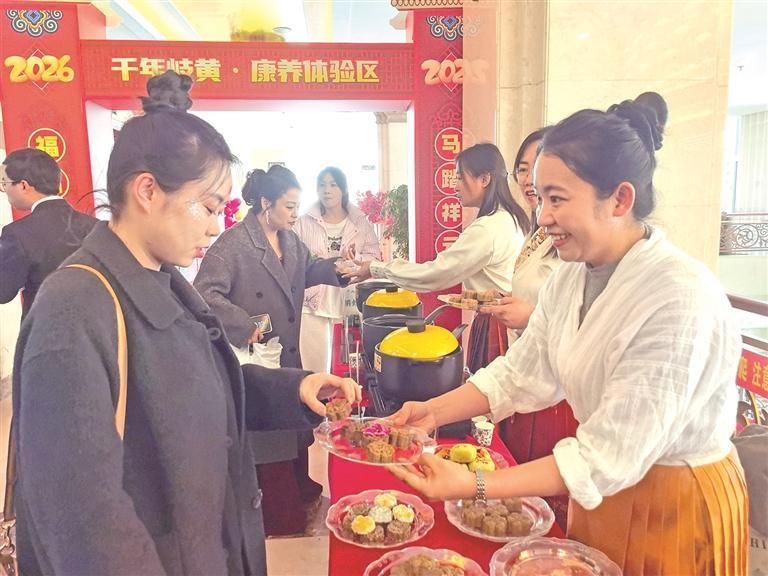
Core Viewpoint - The event, themed "Medical Journey in Spring, Health for All in the New Year," showcased the integration of traditional Chinese medicine (TCM) with cultural festivities, emphasizing health and wellness through various artistic performances and interactive experiences [2][5]. Group 1: Event Overview - The second annual TCM health Spring Festival in Datong County featured five major health segments and 13 premium performances, blending TCM culture with the festive atmosphere of the New Year [3]. - The event was organized by multiple local health and cultural agencies, highlighting community collaboration in promoting health and wellness [2][5]. Group 2: Performance Highlights - The performances included a dance conveying the "food and medicine share the same source" concept and a situational dance illustrating the integration of TCM and Western medicine [3]. - A situational drama showcased common acupuncture points, emphasizing the charm of meridian health culture and suitable techniques from TCM [3]. Group 3: Interactive Experience - The event featured an interactive experience area with four functional zones, including a results display area and a health tea tasting zone, providing immersive experiences related to TCM [4]. - Over 30 types of medicinal dishes and local medicinal materials were showcased, along with free tastings of seasonal health teas [4]. Group 4: Community Impact - The festival served as a platform to enhance public recognition and trust in TCM, fostering a strong cultural atmosphere around TCM practices [5]. - The event aimed to strengthen the integration of TCM with tourism and agriculture, contributing to the development of a unique health system in the region [4][5].

让群众看上好中医、用上好中药
Guang Xi Ri Bao· 2026-02-13 04:20
Core Viewpoint - The Guangxi Traditional Chinese Medicine (TCM) system aims to enhance its services and integration into healthcare reform by 2026, focusing on six key areas to meet public expectations for quality TCM services and products [1][2]. Group 1: Key Areas of Focus - The Guangxi TCM system will concentrate on deepening medical reform, improving service systems, promoting industry integration, strengthening talent and technology, establishing legal standards, and enhancing international exchanges [1]. - The region plans to accelerate the establishment of national TCM comprehensive reform demonstration zones and various pilot projects to further integrate TCM into the broader medical reform agenda [1]. - There will be a continued emphasis on strengthening grassroots TCM service capabilities and optimizing service networks, alongside deepening the collaboration between traditional Chinese and Western medicine [1]. Group 2: Development Tasks - During the "14th Five-Year Plan" period, Guangxi has outlined ten key tasks for TCM development, including improving health service capabilities, expanding service networks, and enhancing clinical collaboration between TCM and Western medicine [2]. - The region aims to enhance innovation capabilities by building a high-level research system for TCM and optimizing talent cultivation mechanisms to grow the TCM workforce [2]. - Guangxi will promote industrial upgrades and high-quality development of TCM, deepen international cooperation to expand TCM's global influence, and foster cultural innovation and transmission of TCM [2].