
driverless vehicles

Search documents
Is This the Dark-Horse Driverless Vehicle Stock to Buy Now?
The Motley Fool· 2026-03-21 00:05
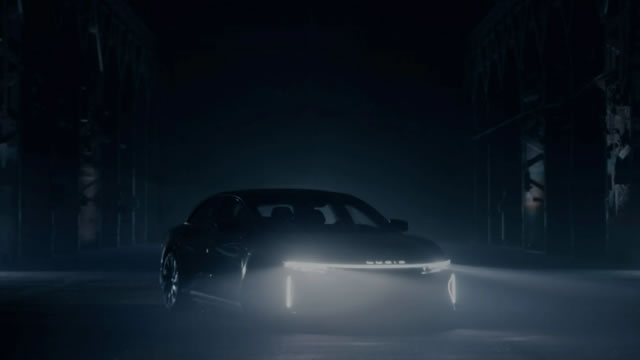
Core Insights - Automakers are increasingly exploring new technologies such as AI, robotics, and driverless vehicles, with companies like Tesla leading the charge [1] - Lucid Motors has made significant announcements regarding its partnership with Uber, which could enhance its market position in the EV sector [2] Company Developments - Lucid's recent investor day highlighted its strategic plans, including a new midsize platform and advancements in its driverless vehicle partnership with Uber [2] - The partnership with Uber includes a $300 million investment and aims to integrate Nuro's autonomous technology into over 20,000 Lucid Gravity SUVs for exclusive use on Uber's platform over the next six years [4] - The agreement is evolving to deploy Lucid's upcoming midsize EV platform as robotaxis, potentially doubling the program's scope to about 40,000 vehicles [6] Product Innovations - Lucid's midsize platform is designed to deliver advanced EVs at a reduced cost without sacrificing performance, with upcoming models named Cosmos, Earth, and Lunar [7] - The Lunar concept is a dedicated two-seat robotaxi designed to optimize economics throughout its lifecycle [8] Market Position and Challenges - Lucid has achieved eight consecutive quarters of record deliveries, indicating that previous production challenges are being addressed [6] - Despite the strategic expansion, Lucid's current market position may not make it an attractive buy, as Uber's role in the partnership may be more appealing to investors [9] - The evolution of the partnership is crucial for scaling production, which is essential for improving the economics of driverless vehicles [10] - Investors should focus on how Lucid improves unit economics and gross profits, especially in comparison to competitors like Rivian [11]


Tesla's Europe Prospects Take a Beating
247Wallst· 2025-12-09 14:15
Core Insights - Tesla Inc. aims to regain its position as the leading electric vehicle (EV) company globally, focusing on self-driving technology and new model launches [1] - Stellantis N.V. has partnered with Bolt to deploy driverless vehicles in Europe, planning on-road trials by 2026, which will integrate their autonomous vehicle platforms with Bolt's extensive ride-hailing network [2] - The European EV market is becoming increasingly competitive, with traditional automakers like Ford and Renault developing affordable EVs to counter the rise of Chinese manufacturers and Tesla's declining sales [5][3] Tesla's Challenges - Tesla's self-driving program is facing significant challenges, including a decline in sales by double-digit percentages in 2025, with some countries experiencing over a 40% drop [3] - Allegations of Elon Musk's interference in EU politics may have contributed to buyer dissatisfaction in Europe [3] - Tesla's plans to introduce a $25,000 EV are becoming increasingly delayed, raising concerns about its competitive edge in the low-end market [6] Competitive Landscape - The partnership between Stellantis and Bolt highlights the regulatory challenges of deploying self-driving vehicles across different EU nations, but both companies are optimistic about overcoming these hurdles [3] - Ford's CEO emphasized the urgency of competing in the European EV market, especially after poor performance in the U.S. [5] - The entry of new competitors in the small EV segment indicates a shift in market dynamics, posing additional challenges for Tesla [5]

X @Tesla Owners Silicon Valley
Tesla Owners Silicon Valley· 2025-09-07 22:16
Still can’t believe Tesla has driverless vehicleshttps://t.co/uQHiYnsRyd ...