
WB(09898)

Search documents
微博(09898) - 董事会会议日期以及2025年第四季度及财年财务业绩公告刊发日期
2026-02-12 09:00
Weibo Corporation 微博股份有限公司 (於開曼群島註冊成立以不同投票權控制的有限責任公司) (股份代號:9898) 董事會會議日期以及 2025年第四季度及財年財務業績公告刊發日期 微博股份有限公司(「本公司」)董事會(「董事會」)將於2026年3月18日(星期三) (香港時間)舉行董事會會議,以(其中包括)批准本公司截至2025年12月31日 止第四季度及財年的未經審核財務業績及公告(「2025年第四季度及2025財年 財務業績」)。本公司將於2026年3月18日(星期三)(香港時間)在香港聯合交 易所有限公司交易時段後及美國股市開市前,在香港聯合交易所有限公司網站 www.hkexnews.hk及本公司網站http://ir.weibo.com公佈其2025年第四季度及 2025財年財務業績。 香港交易及結算所有限公司及香港聯合交易所有限公司對本公告的內容概不負責,對其準確性 或完整性亦不發表任何聲明,並明確表示概不會就本公告全部或任何部分內容而產生或因倚賴 該等內容而引致的任何損失承擔任何責任。 預先註冊鏈接: https://register-conf.media-server.com ...
微博与奥委会合作及监管动态影响股价表现
Jing Ji Guan Cha Wang· 2026-02-11 18:11
Group 1 - Weibo has become a sponsor and social media partner of the Chinese Olympic Committee, covering the period from 2026 to 2029, including over ten international events such as the Milan Winter Olympics [1] - The 2026 Weibo Night red carpet live broadcast started on February 5, attracting significant online attention and enhancing the platform's entertainment attributes [1] - The State Administration for Market Regulation announced new measures from February 5 to 6, focusing on regulating live e-commerce and food delivery competition, which may impact Weibo's compliance as a social platform [1] Group 2 - Weibo's stock performance has been volatile over the past week, with the latest closing price for Hong Kong shares at 80.95 HKD on February 11, reflecting a 0.94% increase since February 5, and a trading range of 4.49% [2] - The latest closing price for U.S. shares was 10.14 USD on February 11, showing a 0.39% decrease since February 5, with a trading range of 6.58% [2] - During this period, the trading volume for Hong Kong shares was approximately 54.26 million HKD, while the U.S. shares had a trading volume of about 92.62 million USD, indicating that Weibo's stock price fluctuations are influenced by broader market sentiments [2]
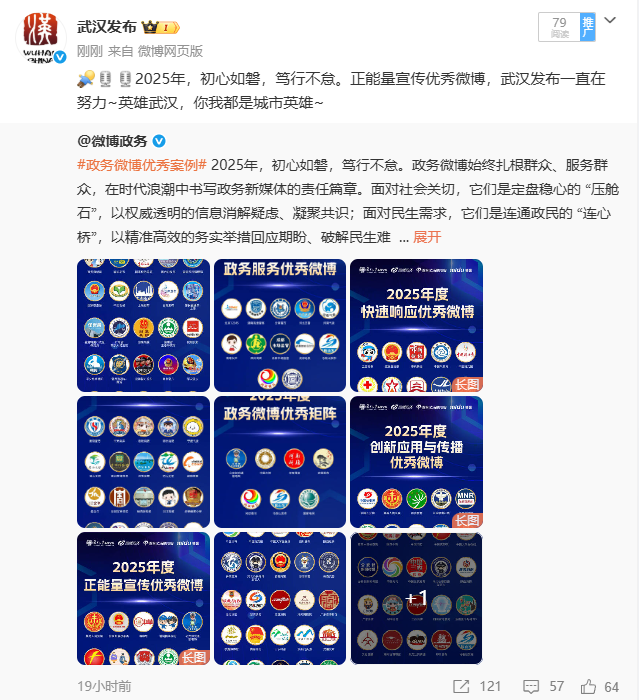
武汉发布官方微博,获奖了!
Xin Lang Cai Jing· 2026-02-11 13:35
Core Insights - Wuhan's official Weibo account, "Wuhan Release," was awarded the title of "Outstanding Positive Energy Weibo" for its engaging content and broad influence [1][4] Group 1: Performance and Recognition - The award reflects the quality of content and effectiveness of communication from Wuhan Release, highlighting societal recognition of the city's positive energy [4] - The platform focuses on citizen engagement and timely responses to public concerns, enhancing its role as a trusted source of information [4] Group 2: Future Plans - Wuhan Release aims to maintain its relatable and vibrant style while innovating content delivery to further promote the city's stories and voices [5] - The goal is to increase visibility and affection for Wuhan, ensuring that positive energy continues to be shared in the digital space [5]

微博发布2025年热搜趋势报告 热搜“爆”了434次
Sou Hu Cai Jing· 2026-02-11 09:52
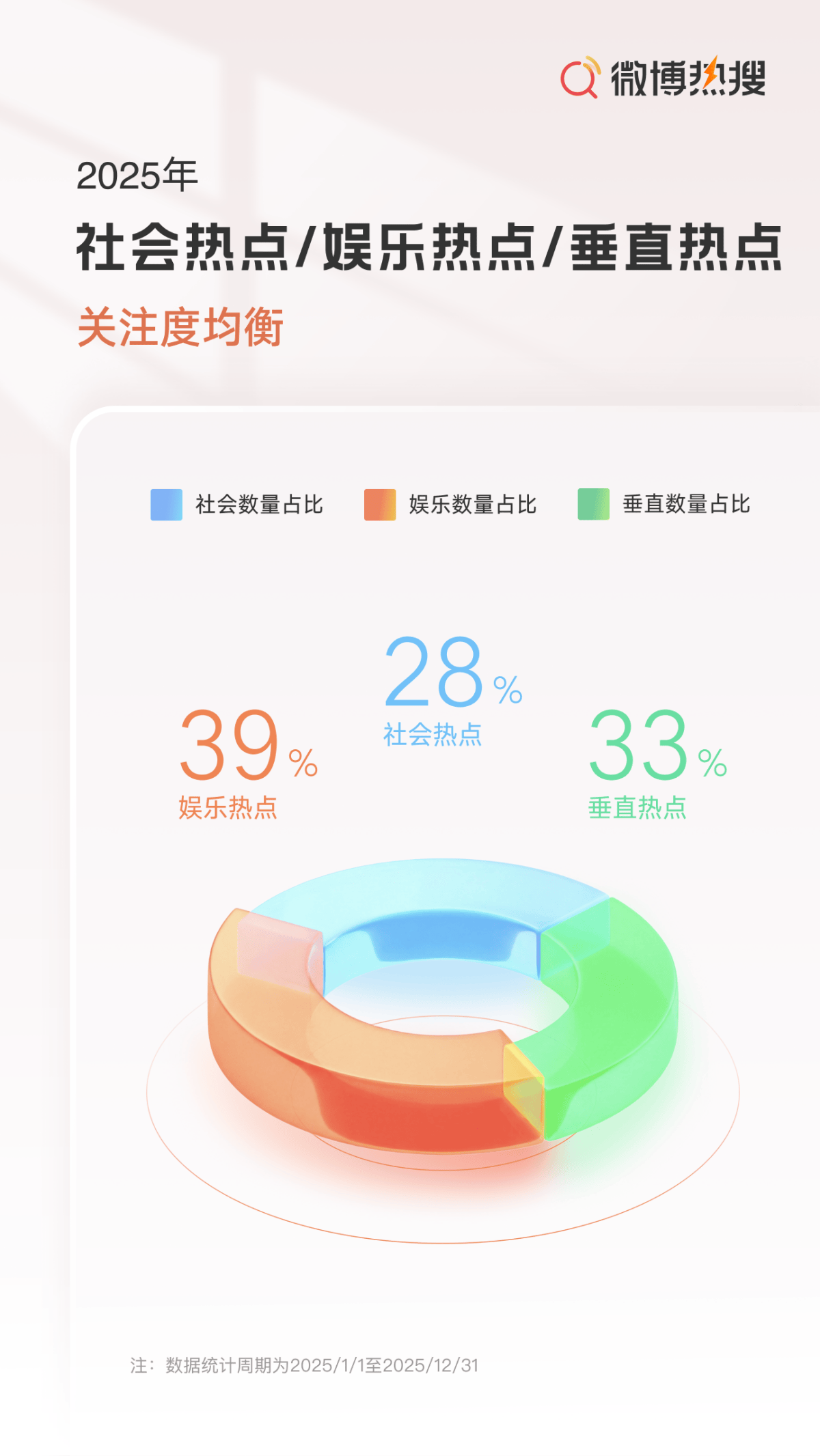
近日,微博正式发布《2025年微博热搜趋势报告》,报告基于微博热搜话题和用户行为数据,全景式还原了过去一年大众关注的社会、娱乐及垂直领域焦 点。 报告显示,2025年微博热搜活跃度再创新高,在热点构成上, 2025年微博热搜呈现高频爆发态势,"爆"字词全年出现434次,"回应"成为上榜次数最多的关 键词 。在热点结构上,微博构建了娱乐、垂直、社会 "三足鼎立"的内容生态,完整勾勒出这一年的公众关注图谱。 报告显示,社会类热点占比达28%,微博依然是社会公共议题讨论的核心阵地。其中,94%的社会时事热点来源于媒体报道,以事实报道回应公众关注,传 递向上向善的力量。 在年度大事件中,第十五届全运会以2041次热搜上榜记录断层领跑,引发现象级传播;紧随其后的是电影《哪吒之魔童闹海》与九三阅兵。此外,中美经 贸、中东局势、高考及两会等议题也保持着极高的国民关注度,折射出公众对国家命运与个体发展的双重关切 。 2025年是垂直领域爆发的一年,兴趣类热搜占比高达33%,一举超越社会热点,标志着用户注意力向专业化、硬核化内容的深度转移 。 在数码汽车领域,小米SU7登顶年度汽车事件,苹果与华为则继续领跑手机行业热度 。 游 ...
2025微博互联网行业热搜:雷军登顶人物榜,DeepSeek成AI·产品榜首
Sou Hu Cai Jing· 2026-02-11 07:43
Group 1 - The core viewpoint of the report indicates that in 2025, the internet industry will have a total of 4,941 trending topics, with 587 of them appearing in the main trending list [1][4]. - The top ten trending "internet personalities" for 2025 include notable figures such as Lei Jun, Luo Yonghao, Liu Qiangdong, Zhou Hongyi, Elon Musk, Yu Minhong, Yu Chengdong, Jensen Huang, Tim the Movie Hurricane, and Lu Weibing [1][7]. - The five most popular trending "AI products" in 2025 are identified as DeepSeek, Manus, ChatGPT, Qianwen, and Doubao [1][11]. Group 2 - The report specifies that the trending topics are categorized into main and sub-lists, with the total count being the sum of both [4]. - The data collection period for the main trending topics spans from January 1, 2025, to December 31, 2025, while the technology category data is collected from June 23, 2025, to December 31, 2025 [8][13]. - The ranking of the trending topics is based on the frequency of appearances in the main list, with ties being resolved by the frequency in the technology list [13].

微博成为总台《2026年春节联欢晚会》官方版权视频合作伙伴
Xin Lang Cai Jing· 2026-02-10 04:03
Core Viewpoint - Weibo has officially announced its partnership with the Central Radio and Television Station as the official video copyright partner for the 2026 Spring Festival Gala, marking the 12th consecutive year of collaboration, aiming to enhance user experience through innovative interactions and digital engagement [1][9]. Group 1: Partnership and Collaboration - Weibo has been a deep collaborator with the Central Radio and Television Station for 12 years, celebrating a milestone that signifies a complete zodiac cycle [5][16]. - The partnership aims to provide users with real-time, engaging, and fresh experiences during the Spring Festival [1][9]. Group 2: User Engagement Activities - Weibo is launching a nationwide "Adopt a Star Horse" activity, featuring over 400 celebrities and 300+ drama and variety show IPs, allowing users to adopt star-themed horses and participate in interactive games to win rewards [2][12]. - From New Year's Eve to the first day of the new year, Weibo will host the largest online "red envelope distribution" event, with over 100 celebrities participating to create a lively social atmosphere [3][13]. Group 3: Cultural Impact and Social Engagement - The collaboration has transformed the Spring Festival Gala into a "national interactive celebration," enhancing its cultural and social influence through social media engagement [6][18]. - Weibo has become a central hub for emotional connection among millions of viewers, facilitating real-time participation and content creation during the gala [7][19]. Group 4: Historical Context and Achievements - In the previous year, Weibo's collaboration with the Spring Festival Gala resulted in 657 trending topics, 820 celebrity New Year greetings, and 18 viral moments, showcasing its role as a significant platform for audience engagement [5][17]. - The partnership has evolved the viewing experience from passive watching to active participation, reflecting the changing dynamics of media consumption [16][18].
梓渝登微博年度热搜艺人top4
Xin Lang Cai Jing· 2026-02-09 11:01
Core Insights - The article highlights the rise of the artist Ziyu, who ranked fourth in the top ten trending artists on Weibo for 2025, achieving a total of 1,129 appearances on the trending list [1] - Ziyu's significant contribution to the trending topics came in the second half of the year, accounting for over 70% of his total trending appearances [1] - The artist's rapid ascent from newcomer to top-tier celebrity is attributed to his diverse performances in music festivals, concerts, films, and endorsements [1] Summary by Categories - **Trending Performance** - Ziyu achieved a peak of seven trending topics simultaneously on a single day [1] - He reached the top of the comprehensive trending heat list and attained a "drill 3" level in just 26 weeks [1] - **Fan Engagement** - Ziyu's follower growth ranked among the top three for the year, indicating strong fan engagement and popularity [1] - **Recognition** - The achievements of Ziyu have been certified by the Weibo Trending Report and various media accounts, marking him as a phenomenon in the entertainment industry for 2025 [1]
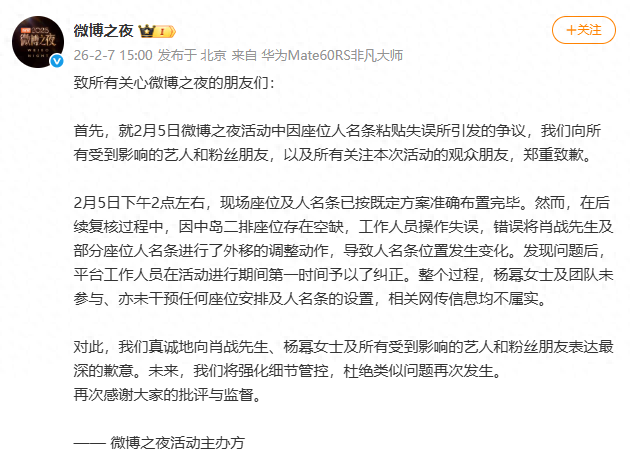
微博之夜向肖战、杨幂道歉:工作人员操作失误,错误将人名条进行了外移,杨幂及团队未干预任何座位安排
Xin Lang Cai Jing· 2026-02-07 09:26
Core Viewpoint - The event organizer of "Weibo Night" issued a formal apology for the seating arrangement errors that occurred during the event on February 5, 2025, acknowledging the impact on affected artists and fans [1][9]. Group 1: Incident Overview - On February 5, 2025, the "Weibo Night" event took place with numerous celebrities in attendance, but a controversy arose regarding the seating arrangements, particularly affecting artists like Yang Mi and Xiao Zhan [3][6]. - The seating arrangement was initially set up correctly, but a staff error during a review led to incorrect placement of name tags, which was rectified during the event [1][9]. Group 2: Reactions and Responses - Yang Mi's studio publicly expressed shock and disappointment, demanding an explanation from the event organizers, which garnered significant attention and support from fans, accumulating 1.45 million likes on their post [6]. - The official response from the event organizers clarified that the issue was due to a mistake made by staff during a review process and reiterated their commitment to preventing such errors in the future [1][9].
2025微博之夜:IP之力正在传递正能量
Sou Hu Cai Jing· 2026-02-06 09:54
Core Insights - Weibo Night has evolved into a significant cultural event that emphasizes social consensus, positive values, and the spirit of the times, moving beyond mere celebrity recognition [1][3] - The event serves as a platform for various sectors, including entertainment, sports, technology, and public welfare, showcasing the annual honors of Weibo [1][3] Group 1: Social Value and Cultural Significance - Weibo Night integrates social values with national sentiment, cultural transmission, and the spirit of perseverance, breaking the boundaries between entertainment and social issues [3] - The event features a special tribute to the 120th anniversary of Chinese cinema, highlighting cultural confidence and the core values of diverse creation and Eastern aesthetics [3] Group 2: Engagement and Participation - Weibo Night leverages its social media attributes to create an ecosystem of cross-field coverage and public participation, facilitating real-time multi-angle live broadcasts and trending topics [4] - The event encourages online voting, topic discussions, and content creation, allowing every user to become a participant and disseminator of the IP [4] Group 3: IP Development and Cross-Industry Integration - Weibo Night demonstrates strong capabilities in IP incubation and empowerment, showcasing the transition from mature IPs to the rapid growth of new IPs [5] - The event recognized LABUBU as the "Most Loved IP of the Year," marking its debut on the Weibo Night stage, and highlighted the success of various virtual idols and characters [5]
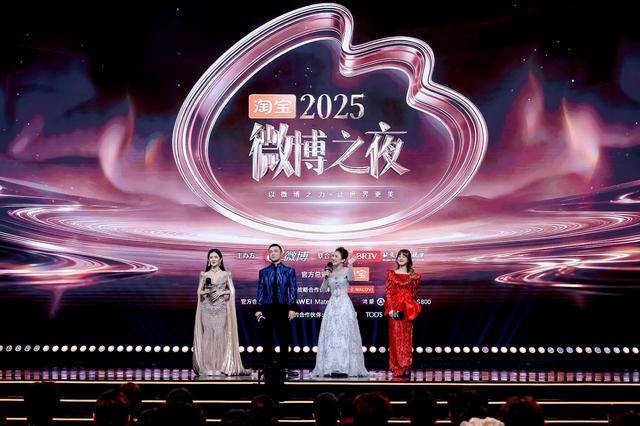
“2025微博之夜”完美收官 重视IP长久价值与持续运营传递正能量
Zheng Quan Ri Bao Wang· 2026-02-06 07:28
Core Insights - The "Weibo Night" event, co-hosted by Weibo and BRTV, has evolved into a significant cultural platform that transcends mere celebrity recognition, focusing on social consensus and positive values [1][2][3] Group 1: Event Overview - "Weibo Night" has become a classic IP over two decades, showcasing its strong brand empowerment capabilities and serving as a cultural carrier that records the spirit of the times [1][2] - The event features diverse marketing opportunities for brands, including red carpet shows, award presentations, and thematic performances, allowing for multi-industry engagement [1][2] Group 2: Recognition and Awards - Athletes such as Su Bingtian and Wang Shun were awarded "Weibo Annual Attention Athlete," highlighting the promotion of a fighting spirit that inspires national motivation [1] - The Chinese badminton team received the "Weibo Annual Attention Sports Team" award, showcasing teamwork and collaboration [1] Group 3: Technological Innovation - The event recognized Yu Shu Robotics and Tongyi Qwen3 as "Annual Technology Innovation Impact Events," emphasizing the importance of making advanced technology accessible to the public [2] - The showcase of AI advancements reflects China's innovation in the tech sector, fostering a collective enthusiasm for technological development [2] Group 4: Cultural Significance - The event included a tribute to the 120th anniversary of Chinese cinema, with Zhang Yimou awarded "Weibo International Influence Director," highlighting the intersection of tradition and innovation in Chinese film [2] - "Weibo Night" has transformed from a simple awards ceremony into an immersive experience that connects with societal values and memories [2][3] Group 5: Community Engagement - The event promotes a participatory ecosystem by integrating online and offline interactions, allowing audiences to engage through live streaming, voting, and discussions [3] - The "Weibo Night" IP demonstrates strong capabilities in nurturing and empowering derivative IPs, showcasing the potential for cross-industry collaboration [3] Group 6: Future Directions - The event aims to continue innovating content formats and expanding its value boundaries, focusing on long-term IP value and sustainable management [3]