
American Homes 4 Rent(AMH)

Search documents
Wall Street Isn't The Housing Problem
Seeking Alpha· 2026-01-09 14:00
Core Viewpoint - The article discusses the investment landscape in the real estate sector, highlighting the performance and potential of various real estate investment trusts (REITs) and related securities. Group 1: Company Insights - Hoya Capital Research & Index Innovations is affiliated with Hoya Capital Real Estate, which provides investment advisory services focused on publicly traded securities in the real estate industry [2]. - The commentary provided by Hoya Capital is intended for informational and educational purposes, emphasizing that it does not constitute investment advice [2]. Group 2: Market Commentary - The article notes that past performance of investments is not indicative of future results, and it stresses the importance of consulting with investment, tax, or legal advisers before making investment decisions [3]. - It highlights that investments in real estate companies and housing industry firms carry unique risks, which should be considered by potential investors [2].



This GE Vernova Analyst Is No Longer Bullish; Here Are Top 4 Downgrades For Friday - American Homes 4 Rent (NYSE:AMH), Equity Residential (NYSE:EQR)
Benzinga· 2026-01-09 12:28
Group 1 - Top Wall Street analysts have changed their outlook on several key stocks, indicating a shift in market sentiment [1] - The article suggests that investors consider buying GEV stock based on analysts' opinions [1]

Trump calls to ban Wall Street from buying homes, but industry insiders say the business model has already moved on
Business Insider· 2026-01-09 10:54
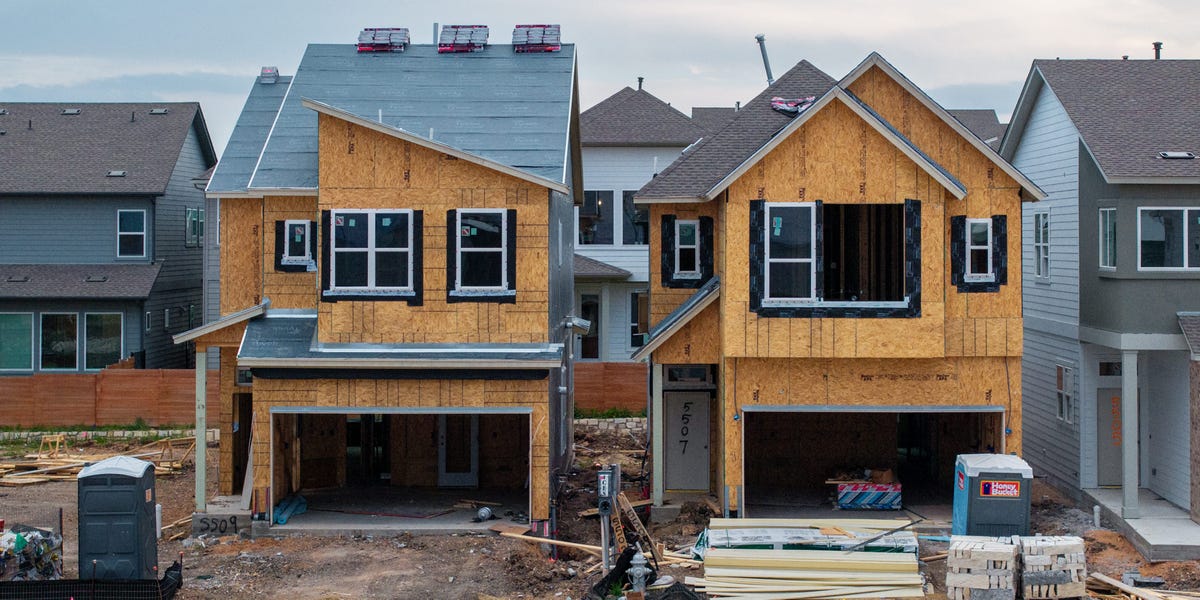
Core Viewpoint - Trump's proposal to ban large institutional investors from purchasing single-family homes has raised concerns and skepticism within the real estate investment industry, with some industry leaders not overly worried about its potential impact [1][2]. Group 1: Industry Reactions - Todd Henderson, head of real estate for the Americas at DWS, believes that Trump's proposal may eventually exclude institutional buyers who focus on newly built homes, which are crucial to the single-family rental (SFR) market [2]. - Shares of major SFR companies, including Invitation Homes and American Homes 4 Rent, fell by approximately 7% and 9% respectively following Trump's announcement [4]. - Blackstone Real Estate Income Trust, which holds about $11 billion in SFR investments, also experienced a decline in share prices, but analysts suggest that the market reaction may be excessive and could present a buying opportunity [5]. Group 2: Market Dynamics - The SFR industry has shifted its business model away from competing with individual homebuyers, focusing instead on acquiring homes directly from builders [3]. - Investors currently own a small percentage of the total single-family homes in the U.S., with those owning 10 or more units holding about 3.4% and larger investors with at least 1,000 units controlling just 0.73% of the inventory [8]. - The SFR industry emphasizes its role in supporting renters and facilitating pathways to homeownership, indicating a commitment to the housing market [9]. Group 3: Legislative Uncertainty - Trump's call for congressional action to formalize the SFR ban introduces complexity and uncertainty, with reports suggesting that proposed legislation may not progress quickly [6][7]. - Henderson anticipates that any new rules would likely exempt builders and buyers of new SFR homes, allowing major investors to continue selling existing portfolios without significant changes to the industry [7].
5 ways Trump’s proposed institutional single-family homebuying ban could affect the housing market
Fastcompany· 2026-01-08 19:15
Core Viewpoint - President Trump's announcement to ban large institutional investors from purchasing single-family homes has sparked discussions about its potential implications and feasibility [2] Group 1: Institutional Investor Impact - Large institutional investors, defined as those owning at least 100 single-family homes, currently hold about 1% of the total single-family housing stock in the U.S. [3] - Certain regional markets, particularly in the Sun Belt, have a higher concentration of institutional ownership, which could lead to significant effects if a ban is enacted [6][4] - The institutional presence in markets like Phoenix and Atlanta has established a robust ecosystem for single-family rentals, making it easier for these firms to operate [5] Group 2: Home Prices and Market Dynamics - A forced sell-off of institutional holdings could lead to increased downward pressure on home prices in specific neighborhoods already experiencing corrections [7] - Institutional buying has decreased significantly since the Pandemic Housing Boom, dropping from 3.1% of home purchases in Q2 2022 to around 1% currently [10][11] - If a ban were to be enacted, it would reduce housing demand that currently accounts for about 1% of total U.S. homebuying activity [9] Group 3: Homebuilding and Development - The proposed ban could negatively impact U.S. homebuilding, especially if it includes restrictions on build-to-rent developments, which currently represent about 8% of total U.S. single-family housing starts [14][12] - Institutional landlords have shifted focus from purchasing existing homes to building new single-family rentals, with a significant portion of acquisitions coming from in-house homebuilding units [16] - The current rate of new single-family home completions is about 1 million annually, which is still below historical averages, indicating a supply issue rather than a demand problem [17] Group 4: Tenant Implications - Most institutionally owned homes are currently occupied, and a forced sell-off could displace thousands of tenants who may not be able to afford to buy their homes [18] - A significant percentage of tenants in institutional rentals, approximately 85%, would not qualify to purchase the homes they currently occupy [19] - The assertion that institutional ownership is the primary cause of housing unaffordability is challenged, with arguments suggesting that policy failures are the root cause of the housing crisis [19]
Trump Administration Plans to Prohibit Institutional Investors from Owning Single-Family Real Estate Properties
Crowdfund Insider· 2026-01-08 18:57
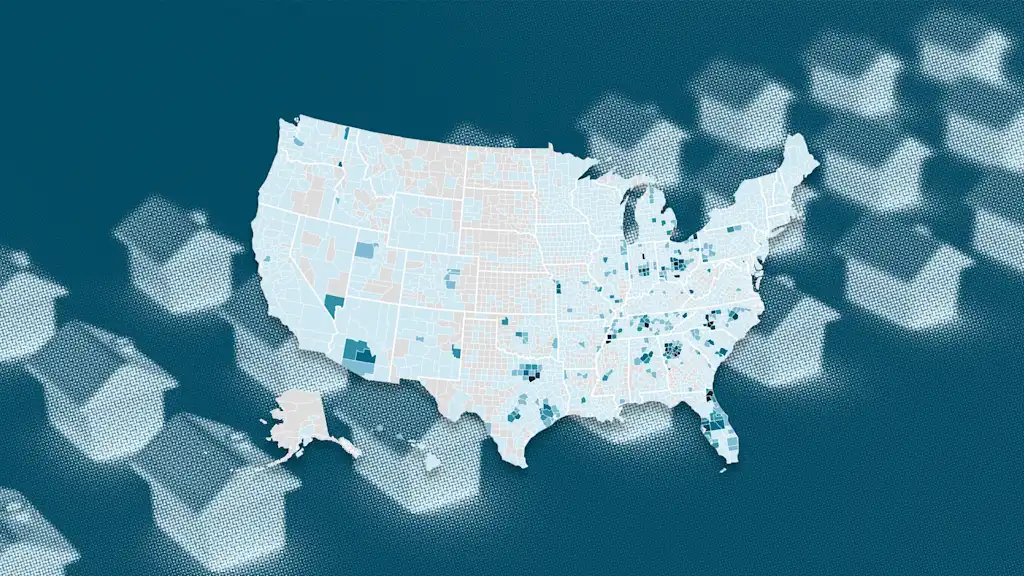
Core Viewpoint - The proposal by President Trump to restrict large institutional investors from purchasing single-family homes aims to improve housing affordability for individual Americans, particularly younger families [1][2]. Group 1: Proposal Details - The initiative seeks to bar major institutional investors, such as private equity firms, from acquiring additional single-family homes, which have been linked to rising property prices and rents [2][3]. - Trump plans to push for immediate action on this proposal and will discuss it further at the World Economic Forum in Davos [2]. Group 2: Market Reaction - The announcement led to a significant backlash in the stock market, with shares of firms involved in single-family rentals experiencing sharp declines [3]. - Blackstone's stock fell by as much as 9.3% intraday, closing down around 5-6%, while Invitation Homes saw a drop of up to 10%, ending approximately 6% lower [4]. Group 3: Industry Impact - Other related stocks, including American Homes 4 Rent and various homebuilders, also faced steep declines, indicating investor concerns over potential disruptions in the rental housing sector [5]. - Although institutional investors own only about 3-4% of single-family rental properties nationwide, their impact is more significant in certain markets, particularly in the Sun Belt [5]. Group 4: Expert Opinions - Some experts suggest that the overall impact on housing prices may be limited, as smaller investors might fill the gap left by institutional buyers, and broader issues like low housing supply remain unaddressed [6]. - The proposal aligns with criticisms from housing advocates and some bipartisan lawmakers who have previously suggested similar restrictions [6].
3 things Trump did in 24 hours to show that he’s in control of American business
Fortune· 2026-01-08 18:41
Market Interventions - President Trump has initiated three significant state interventions in various markets, indicating a shift from traditional Republican laissez-faire policies to more direct control over economic activities [2][3] - The interventions include a ban on large institutional investors from purchasing single-family homes, a cap on executive compensation in the defense sector, and control over Venezuelan oil proceeds [5][9][16] Housing Market - Trump announced a ban on "large institutional investors," such as private equity firms and real estate trusts, from buying single-family homes, emphasizing that "people live in homes, not corporations" [5] - Following the announcement, stocks of institutional investors like Blackstone and Invitation Homes dropped by 6%, with American Homes 4 Rent experiencing trading halts due to volatility [6] - Institutional investors currently own only 2% of the housing stock, but their presence is concentrated in cities like Atlanta and Jacksonville [7] Defense Sector - Trump expressed frustration with the slow pace of weapons production and announced a cap on executive compensation at major defense contractors at $5 million annually, contrasting with typical CEO salaries of $18 million to $25 million [9][10] - An executive order formalized this policy, restricting how defense contractors can use profits and compensating executives, including barring stock buybacks and dividends for underperforming firms [11] - This move has raised concerns about the legal implications and the potential expropriation of decision-making power from shareholders to the state [12][14] Venezuelan Oil Control - Following the arrest of Venezuela's president, Trump announced U.S. control over approximately 50 million barrels of Venezuelan crude oil, valued at around $3.5 billion, with proceeds to be used exclusively for American-made goods [16][17] - This arrangement creates a "closed-loop" system that prioritizes American manufacturing over market-driven decisions, marking a significant shift towards managed trade [18] - The administration's approach reflects a broader trend of dictating market outcomes, including home purchases and executive pay, rather than allowing market forces to operate freely [19]



American Homes 4 Rent, Invitation Homes cut to Neutral at Mizuho after Trump post (AMH:NYSE)
Seeking Alpha· 2026-01-08 15:38
Group 1 - The article does not provide any relevant content regarding the company or industry [1]
American Homes 4 Rent (NYSE:AMH) Price Target and Market Outlook
Financial Modeling Prep· 2026-01-08 10:04
Core Viewpoint - American Homes 4 Rent (NYSE:AMH) is a significant entity in the residential real estate investment trust (REIT) sector, focusing on single-family home rentals across the U.S. [1] Company Overview - AMH's current stock price is $31.01, reflecting a decrease of 4.29% or $1.39 [2] - The stock has shown volatility, with a daily trading range between $28.86 and $32.64, and over the past year, it has reached a high of $39.49 and a low of $28.86 [2] - The company's market capitalization is approximately $11.49 billion, with a trading volume of 15.44 million shares on the NYSE [2] Competitive Landscape - In the REIT and Equity Trust - Residential sector, AMH competes with companies like Safehold (SAFE) [3] - Safehold holds a Zacks Rank of 2 (Buy), indicating a positive trend in earnings estimate revisions, while AMH has a Zacks Rank of 3 (Hold), suggesting a more stable earnings outlook [3][4] - The Zacks Rank system indicates that Safehold may be a more attractive option for investors seeking value opportunities compared to AMH [4][5] Price Target and Potential Upside - Mizuho Securities has set a price target of $32 for AMH, indicating a potential upside of 3.19% from its current trading price [1][5]


Trump’s threat to ban Wall Street’s investments in single-family housing jolts markets, hits homebuilder stocks
The Economic Times· 2026-01-08 04:59
Core Viewpoint - The U.S. President announced a move to ban Wall Street firms from purchasing single-family homes to reduce home prices, responding to rising living costs ahead of the midterm elections [1][11]. Group 1: Political Context - The proposed ban represents a significant shift for Republicans, aligning them with long-standing Democratic criticisms of corporate homebuying, which has been blamed for increasing housing costs and reducing supply [2][11]. - The announcement comes amid mounting political pressure on the White House regarding the cost of living [1][11]. Group 2: Market Reaction - Following the announcement, American Homes 4 Rent fell to a near three-year low, closing 4% lower, while Blackstone dropped about 5.6%, and the PHLX housing index decreased by 2.6% [5][11][12]. Group 3: Institutional Investors - A 2024 Government Accountability Office study indicated that institutional investors, including Blackstone, owned approximately 450,000 homes, or about 3% of all single-family rental homes in the U.S. by June 2022 [2][11]. - Blackstone stated that its exposure to single-family homes is minimal and that it has been a net seller of such properties over the past decade [6][12]. Group 4: Housing Market Trends - Since Trump's first election victory, U.S. home prices have increased by roughly 75%, significantly outpacing overall consumer inflation [8][12]. - However, home price growth has slowed, with a reported increase of only 1.7% in October, marking the weakest pace in over 13 years [8][12]. - Shelter-cost inflation has also decreased, with annual shelter inflation slowing to 3.0% in November, the lowest level in more than four years [9][12]. Group 5: Affordability Issues - Despite signs of cooling housing inflation, affordability remains a critical political issue, as many Americans continue to face high prices and limited inventory [10][12].

花旗:特朗普机构购房禁令引发下跌 这两只美股被过度抛售
智通财经网· 2026-01-08 02:44
Core Viewpoint - The sell-off of Invitation Homes (INVH.US) and American Homes 4 Rent (AMH.US) following President Trump's comments on banning institutional investors from purchasing homes appears to be excessive [1] Group 1: Company Impact - Following Trump's remarks, INVH and AMH experienced significant stock price declines, with INVH dropping approximately 6% and AMH falling around 4% [1] - Analyst Nick Joseph suggests that if INVH and AMH are forced to liquidate or decide to do so due to inability to expand their portfolios, it could actually serve as a positive catalyst for their stock prices, as both companies are currently trading well below their net asset values [1] Group 2: Market Context - The concept of banning institutional home purchases has been discussed for years, and while it seems more likely now, many investors have already considered the potential impacts if such a ban were to become law [1] - The report indicates that the Trump administration is unlikely to prevent AMH from advancing its development projects or to stop INVH from signing development agreements with home builders, as these activities would contribute to increasing housing supply [1]