
Blade(BLDE)

Search documents
New Yorkers on Uber will soon be able to hail a helicopter ride to JFK, Newark and the Hamptons
New York Post· 2025-09-10 13:32
Core Insights - Uber is launching a new service allowing users in New York to book helicopter flights to JFK, Newark, and the Hamptons directly through its app, following an expanded partnership with Joby Aviation [1][4] - Joby Aviation recently acquired Blade Air Mobility's passenger business for $125 million, enhancing its capabilities in urban air travel [1][11] - The integration aims to provide a seamless multi-modal booking experience for millions of Uber customers, combining ground and air travel in one platform [7] Company Developments - Joby Aviation's eVTOL aircraft, which can carry four passengers and a pilot, will eventually replace Blade's existing helicopter network once they receive FAA certification [6][11] - The eVTOL aircraft can fly at 200 mph and produce 100 times less noise than conventional helicopters, aligning with sustainability goals [6][11] - The partnership between Uber and Joby has been ongoing since 2019, with Joby acquiring Uber's Elevate division in 2021 [7] Market Expansion - The New York rollout will serve as a test case for potential expansion into other major cities, including Los Angeles, Dubai, London, and Tokyo, pending regulatory approvals [7][11] - Blade currently operates in New York and Southern Europe, with established routes linking airports to city centers and leisure destinations [8] Regulatory Environment - The launch of this service may face scrutiny from regulators and local politicians, especially concerning environmental impacts and limits on tourist flights [11][12]





Strata Critical Medical (BLDE) 2025 Conference Transcript
2025-09-04 16:30
Summary of Strata Critical Medical (BLDE) Conference Call Company Overview - **Company Name**: Strata Critical Medical (formerly Blade Urban Air Mobility) [3] - **Industry**: Medical logistics, specifically organ transportation [4][5] Key Transaction Details - **Divestiture**: Agreement with Joby Aviation to sell the passenger business for up to $125 million, receiving approximately $80 million in stock upfront [3][4] - **Future Collaboration**: Long-term arrangement with Joby to use their electric aircraft for medical purposes, expected to be quieter and lower cost [4] Business Focus and Growth - **Core Business**: Focus on medical logistics, specifically transporting human organs for transplant, which grew nearly 20% in the last quarter [4][6] - **Market Dynamics**: New regulations and technology are increasing the number of viable organ transplants, with a mid to high single-digit growth in organ transplants expected [8][10] - **Operational Model**: Utilizes an asset-light network, with two-thirds of flights on aircraft not owned by the company, allowing for flexibility and cost savings [5][6] Market Opportunities - **Regulatory Changes**: Shift in government policy prioritizing organ matching based on need rather than geographic convenience, benefiting logistics providers [6][10] - **Technological Advancements**: Introduction of perfusion technology allows for the use of previously unsuitable organs, enhancing transplant viability [8][10] - **Expansion Plans**: Building a ground network and expanding service offerings, including administrative and clinical support for organ matching [11][12] Financial Outlook - **Profitability**: The divestiture is expected to be profit neutral, with anticipated corporate savings of $7 million starting Q4 [14][15] - **Growth Projections**: Mid-teens growth expected for the remainder of the year, with potential for acceleration due to increased complexity in organ logistics [36][40] - **Margin Improvement**: Targeting a segment adjusted EBITDA margin increase from 13% to the high teens through operational efficiencies and cost structure optimization [48][51] Competitive Landscape - **Market Share**: Holds approximately 30% market share in air logistics, with significant opportunities in ancillary services [31][40] - **Fragmented Industry**: Competes against numerous small operators, allowing Strata to leverage its national network for flexibility and efficiency [31][33] Strategic Partnerships - **Collaboration with Organox**: Aims to pre-position perfusion devices at aviation hubs, enhancing service offerings and customer satisfaction [41][42] Key Takeaways for Investors 1. **Growing Market**: Attractive growth potential in the organ transportation sector with evolving regulations and technology [52] 2. **Unique Positioning**: Ability to build new capabilities that customers currently source from competitors [52] 3. **Capital Allocation**: Strong potential for strategic acquisitions and investments in the logistics space [53]
Blade Air Mobility Sets Timing for Name Change to Strata Critical Medical and Commencement of Trading Under the New Ticker Symbol “SRTA”
Globenewswire· 2025-08-27 12:00
Company Overview - Blade Air Mobility, Inc. is changing its legal name to Strata Critical Medical, Inc. to focus on mission-critical logistics and medical services for hospitals and healthcare providers [1][2] - The company is one of the largest transporters of human organs for transplant in the United States and provides air transportation and logistics services primarily in the Northeast United States, Southern Europe, and Western Canada [3] Stock Information - The name change will take effect on August 28, 2025, and the company's common stock will begin trading under the symbol "SRTA" on August 29, 2025 [2] - The CUSIP numbers for the company's common stock and warrants will remain unchanged, and no action is required from securityholders [2] Business Model - Blade operates an asset-light model with exclusive passenger terminal infrastructure and proprietary technologies, facilitating a transition to Electric Vertical Aircraft (EVA or eVTOL) for lower-cost, quiet, and emission-free air mobility [3]

Blade Air Mobility (BLDE) FY Conference Transcript
2025-08-11 19:55
Summary of Blade Mobility Conference Call Company Overview - **Company**: Blade Mobility - **Industry**: Organ transportation and logistics Key Points and Arguments 1. **Divestiture Announcement**: Blade Mobility announced the divestiture of its passenger business to Joby Aviation for up to $125 million, which will allow the company to focus solely on its medical and logistics operations [3][4] 2. **Growth in Medical Business**: The medical logistics segment has been the fastest-growing part of the business, with an 18% growth in the most recent quarter, contributing to 85% of the segment's adjusted EBITDA in 2024 [4][34] 3. **Market Opportunity**: The organ transportation market is estimated to be slightly above $1 billion, with potential for an additional $100 million in addressable market growth annually due to increasing organ transplant numbers [14][34] 4. **Regulatory Changes**: Recent regulatory improvements have prioritized the sickest organ recipients, leading to a 50% increase in the distance between donors and recipients over the past five to six years [11][34] 5. **Technological Advancements**: Innovations in perfusion technology have expanded the pool of suitable organ donors and increased the time organs can be transported, enhancing the efficiency of the organ matching process [12][13] 6. **Logistics Model**: Blade operates a flexible logistics model with a mix of owned, dedicated, and flexible aircraft, allowing for rapid response times and cost-effective solutions for transplant centers [17][18][20] 7. **Customer Retention**: The company has achieved a 100% renewal rate on contracts with transplant centers and organ procurement organizations, indicating strong customer satisfaction [30][34] 8. **Ancillary Services Growth**: Ancillary services, such as ground transportation and organ placement services, are growing faster than the overall business and are higher margin, contributing to overall profitability [25][26] 9. **Future Capital Deployment**: Following the divestiture, Blade plans to focus on capital deployment in areas such as internalizing services currently outsourced and potential acquisitions of smaller logistics providers [26][27][28] 10. **Financial Outlook**: The company expects double-digit adjusted EBITDA growth and aims for segment adjusted EBITDA margins to reach the high teens in the midterm [37][38] Additional Important Information - **Customer-Centric Approach**: Blade emphasizes flexibility and customer service, often adjusting logistics to meet specific needs, which has contributed to its high customer retention rate [21][49] - **Impact of Passenger Business Loss**: The divestiture of the passenger business will not affect the utilization of aircraft in the medical segment, as there is no overlap between the two operations [50][51] - **Long-Term Agreements**: Blade has secured long-term agreements with Joby Aviation to continue using rotorcraft for medical purposes, ensuring operational continuity [51] This summary encapsulates the key insights from the Blade Mobility conference call, highlighting the company's strategic focus on its medical logistics business and the growth opportunities within the organ transportation industry.
Did Joby Aviation Just Make a Killer Deal, or Is Blade a Lemon?
The Motley Fool· 2025-08-09 08:30
Core Viewpoint - Joby Aviation's acquisition of Blade Air Mobility's passenger business is seen as a strategic move to enhance its position in the urban air taxi market, despite concerns about the valuation and market reaction [1][9]. Financial Terms of the Deal - Joby will pay Blade up to $125 million in cash or stock, providing immediate market access in New York City and Southern Europe, and ownership of a business that served over 50,000 passengers in 2024 [2][6]. Market Reaction - Following the announcement, Joby’s stock surged 18.8%, adding $2.7 billion to its market cap, but later fell 5% after Blade's second-quarter earnings report, indicating mixed investor sentiment [3][10]. Blade's Business Performance - Blade's second-quarter revenue decreased by 13.2% to $25.7 million, partly due to exiting the Canadian market, while the passenger segment's adjusted EBITDA improved from $0.8 million to $2.4 million [7][8]. Industry Context - The deal highlights the challenges in scaling urban air mobility, where price and access remain significant barriers, as evidenced by Blade's pricing structure [12][13]. Valuation Concerns - Joby, with a market cap exceeding $16 billion, is valued higher than established airlines despite being in a development stage with no material revenue, raising questions about market expectations [10][11]. Strategic Implications - The partnership with Blade, excluding its medical division, positions Joby as a preferred VTOL partner for organ transport, indicating a focus on niche markets within urban air mobility [6].
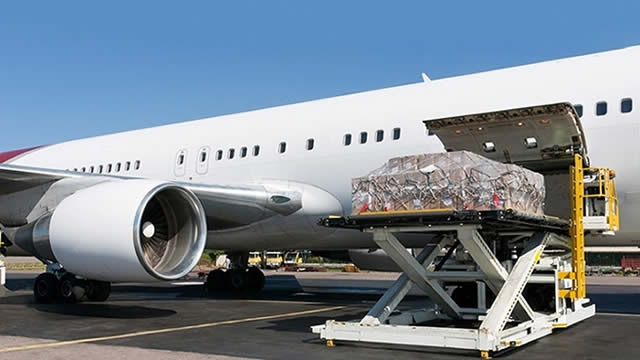
Blade Air Mobility to Present at the Oppenheimer 28th Annual Technology, Internet & Communications Conference
Globenewswire· 2025-08-09 00:07
Company Overview - Blade Air Mobility, Inc. is a technology-powered air mobility platform that provides air transportation and logistics for hospitals across the United States, being one of the largest transporters of human organs for transplant [2] - The company offers helicopter and fixed-wing services primarily in the Northeast United States and Southern Europe, operating an asset-light model with exclusive passenger terminal infrastructure and proprietary technologies [2] Upcoming Events - The Chief Financial Officer, Will Heyburn, will present at the Oppenheimer 28th Annual Technology, Internet & Communications Conference on August 11, 2025, at 2:55 PM ET, with a webcast available for investors [1] Business Model and Technology - Blade's model is designed to facilitate a seamless transition from traditional aircraft to Electric Vertical Aircraft (EVA or eVTOL), aiming for lower-cost air mobility that is both quiet and emission-free [2]
Joby Deal Gives Blade New Direction, But Stock Lacks Lift
MarketBeat· 2025-08-06 20:27
Core Viewpoint - Blade Air Mobility Inc. has announced the sale of its passenger mobility business to Joby Aviation for up to $125 million, transitioning to a pure-play medical logistics company named Strata Critical Medical, which has led to a significant stock price increase followed by a decline due to mixed earnings results [1][2][3] Financial Performance - Blade reported a mixed earnings report, beating revenue expectations but posting a negative earnings per share of five cents, which was worse than the anticipated negative four cents [2] - The medical division contributed nearly 60% of the company's revenue and 84% of its EBITDA, with an 18% year-over-year revenue growth, contrasting with an 8% year-over-year revenue decline in the passenger division [5] Strategic Outlook - The management is optimistic about future growth, expecting continued organic growth and plans to pursue strategic acquisitions with an anticipated $200 million in cash after the sale of the passenger business [6][7] - The company aims to focus on non-emergency medical transport, organ transfer, and time-critical healthcare logistics, which are considered less volatile compared to urban air travel [8] Market Position - Blade estimates the organ logistics market to be worth about $1 billion, with the company currently controlling approximately 30% of this market [11] - The stock forecast indicates a potential upside of 61.29%, with a 12-month price target of $6.25 based on analyst ratings [11] Risks and Considerations - The sale to Joby will be paid entirely in stock, which introduces potential volatility based on Joby's share price, and the deal is expected to close in the first half of 2026, extending the timeline for stock price fluctuations [9][10] - Investors may experience choppy trading conditions until the passenger business is sold, with cautious optimism expected for the stock [12]

Blade (BLDE) Q2 Revenue Jumps 10%
The Motley Fool· 2025-08-06 00:06
Core Insights - Blade Air Mobility reported Q2 2025 GAAP revenue of $70.8 million, exceeding analyst expectations by 10.5% [1][2] - The company plans to divest its Passenger division to Joby Aviation, transitioning to a specialized medical air mobility operator [1][8] - The medical segment showed significant year-over-year growth, while free cash flow turned negative due to increased maintenance costs [1][6] Financial Performance - Q2 2025 GAAP revenue was $70.8 million, up 4.3% from $67.9 million in Q2 2024 [2] - Adjusted EBITDA increased to $3.2 million, a 220% rise from $1.0 million in the previous year [2] - Free cash flow was negative at $(5.7) million, a decline of 191.9% from a positive $6.2 million in Q2 2024 [2] Business Focus and Strategy - Blade operates two main lines: on-demand passenger flights and MediMobility Organ Transport services [3] - The divestiture of the Passenger segment will allow Blade to focus on critical healthcare logistics and rebrand as Strata [3][8] - The company aims to optimize operations and prepare for the adoption of Electric Vertical Aircraft (eVTOL) technology [4][12] Segment Performance - The medical segment generated $45.1 million in revenue, a 17.6% increase year-over-year [5] - Medical Flight Margin (non-GAAP) decreased to 22.0% from 23.6% due to higher maintenance costs [6] - The Passenger segment's revenue fell 13.2% to $25.7 million, with a flight margin improvement to 30.5% [7] Future Outlook - Management expects the transition to a dedicated medical air mobility company to be neutral to Adjusted EBITDA and Free Cash Flow [9] - Full-year 2025 revenue is projected between $245 million and $265 million, with adjusted EBITDA in the double-digit millions [14] - Key factors for future success include execution of medical growth initiatives and integration of eVTOL aircraft [15]
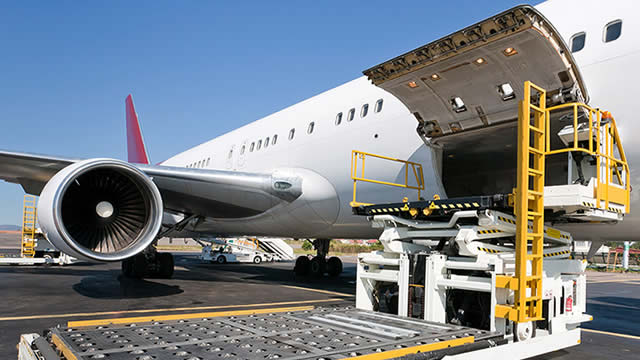
Blade Air Mobility: Disappointing Exit
Seeking Alpha· 2025-08-05 19:23
Core Insights - The article emphasizes the potential of undervalued stocks that are mispriced by the market, suggesting that investors should consider positioning themselves in these opportunities as August approaches [1]. Group 1 - The article encourages joining a platform that provides insights on undervalued stocks [1].
Blade(BLDE) - 2025 Q2 - Quarterly Report
2025-08-05 16:43
[PART I. FINANCIAL INFORMATION](index=3&type=section&id=PART%20I.%20FINANCIAL%20INFORMATION) This section presents the company's unaudited interim condensed consolidated financial statements and related disclosures [Item 1. Financial Statements](index=3&type=section&id=Item%201.%20Financial%20Statements) This section presents the unaudited interim condensed consolidated financial statements, including balance sheets, statements of operations, comprehensive loss, stockholders' equity, and cash flows, along with detailed notes explaining the company's business, accounting policies, revenue breakdown, stock-based compensation, segment information, income taxes, net loss per share, commitments, warrant liabilities, fair value measurements, stockholders' equity, and significant subsequent events [Unaudited Interim Condensed Consolidated Balance Sheets](index=3&type=section&id=Unaudited%20Interim%20Condensed%20Consolidated%20Balance%20Sheets) This section provides a snapshot of the company's financial position at specific points in time, detailing assets, liabilities, and stockholders' equity Unaudited Interim Condensed Consolidated Balance Sheets | Metric | June 30, 2025 ($ thousands) | December 31, 2024 ($ thousands) | | :-------------------------------- | :---------------------------- | :------------------------------ | | Total Assets | 257,919 | 256,675 | | Cash and cash equivalents | 58,754 | 18,378 | | Short-term investments | 54,666 | 108,757 | | Total Liabilities | 34,819 | 34,737 | | Total Stockholders' Equity | 223,100 | 221,938 | [Unaudited Interim Condensed Consolidated Statements of Operations](index=4&type=section&id=Unaudited%20Interim%20Condensed%20Consolidated%20Statements%20of%20Operations) This section presents the company's financial performance over specific periods, detailing revenue, expenses, and net loss Unaudited Interim Condensed Consolidated Statements of Operations | Metric | Three Months Ended June 30, 2025 ($ thousands) | Three Months Ended June 30, 2024 ($ thousands) | Six Months Ended June 30, 2025 ($ thousands) | Six Months Ended June 30, 2024 ($ thousands) | | :-------------------------------- | :--------------------------------------------- | :--------------------------------------------- | :------------------------------------------- | :------------------------------------------- | | Revenue | 70,801 | 67,945 | 125,107 | 119,459 | | Loss from operations | (4,954) | (12,149) | (12,537) | (22,017) | | Net loss | (3,743) | (11,326) | (7,236) | (15,560) | | Basic Net loss per share | (0.05) | (0.15) | (0.09) | (0.20) | [Unaudited Interim Condensed Consolidated Statements of Comprehensive Loss](index=5&type=section&id=Unaudited%20Interim%20Condensed%20Consolidated%20Statements%20of%20Comprehensive%20Loss) This section details the company's comprehensive loss, including net loss and other comprehensive income/loss items like foreign currency translation adjustments Unaudited Interim Condensed Consolidated Statements of Comprehensive Loss | Metric | Three Months Ended June 30, 2025 ($ thousands) | Three Months Ended June 30, 2024 ($ thousands) | Six Months Ended June 30, 2025 ($ thousands) | Six Months Ended June 30, 2024 ($ thousands) | | :--------------------------------------- | :--------------------------------------------- | :--------------------------------------------- | :------------------------------------------- | :------------------------------------------- | | Net loss | (3,743) | (11,326) | (7,236) | (15,560) | | Foreign currency translation adjustments | 2,899 | (336) | 4,215 | (1,187) | | Comprehensive loss | (844) | (11,662) | (3,021) | (16,747) | [Unaudited Interim Condensed Consolidated Statements of Stockholders' Equity](index=6&type=section&id=Unaudited%20Interim%20Condensed%20Consolidated%20Statements%20of%20Stockholders'%20Equity) This section outlines changes in the company's equity over time, including common stock, additional paid-in capital, and accumulated deficit Unaudited Interim Condensed Consolidated Statements of Stockholders' Equity | Metric | June 30, 2025 ($ thousands) | June 30, 2024 ($ thousands) | | :-------------------------------- | :-------------------------- | :-------------------------- | | Total Stockholders' Equity | 223,100 | 229,386 | | Common Stock Shares Outstanding | 81,695,605 | 77,934,085 | | Stock-based compensation (6 months) | 9,566 | 9,965 | [Unaudited Interim Condensed Consolidated Statements of Cash Flows](index=8&type=section&id=Unaudited%20Interim%20Condensed%20Consolidated%20Statements%20of%20Cash%20Flows) This section summarizes the cash inflows and outflows from operating, investing, and financing activities over specific periods Cash Flows Summary (Six Months Ended June 30) | Cash Flow Activity (Six Months Ended June 30) | 2025 ($ thousands) | 2024 ($ thousands) | | :-------------------------------------------- | :----------------- | :----------------- | | Net cash used in operating activities | (3,310) | (7,122) | | Net cash provided by investing activities | 49,087 | 7,654 | | Net cash used in financing activities | (5,383) | (1,154) | | Net increase (decrease) in cash and restricted cash | 40,671 | (655) | [Notes to Unaudited Interim Condensed Consolidated Financial Statements](index=9&type=section&id=Notes%20to%20Unaudited%20Interim%20Condensed%20Consolidated%20Financial%20Statements) This section provides detailed explanations and additional information supporting the unaudited interim condensed consolidated financial statements [Note 1 – Description of Business and Summary of Significant Accounting Policies](index=9&type=section&id=Note%201%20%E2%80%93%20Description%20of%20Business%20and%20Summary%20of%20Significant%20Accounting%20Policies) This note describes Blade Air Mobility's core business of air transportation for human organs and passengers, highlighting its asset-light model and strategic focus on Electric Vertical Aircraft (EVA). It also covers the basis of financial statement presentation, accounting for short-term investments, credit risk concentrations, major customer/vendor relationships, property and equipment, use of estimates, and recently issued accounting pronouncements - Blade Air Mobility provides air transportation and logistics for hospitals (organ transport) and passengers (helicopter and fixed-wing services), operating on an **asset-light model** with a strategic transition to **Electric Vertical Aircraft (EVA)**[22](index=22&type=chunk) - Short-term investments consist of investment grade U.S. Treasury obligations with maturity dates of less than **365 days**, recorded at amortized cost[25](index=25&type=chunk) - No single customer accounted for **10% or more of revenue** for the three months ended June 30, 2025 and 2024, or for the six months ended June 30, 2025. One customer accounted for **11% of revenue** for the six months ended June 30, 2024[27](index=27&type=chunk) Property and Equipment, Net | Category | June 30, 2025 ($ thousands) | December 31, 2024 ($ thousands) | | :----------------------------- | :-------------------------- | :------------------------------ | | Total property and equipment, net | 33,697 | 30,918 | - The company is evaluating the impact of recently issued accounting pronouncements: **ASU 2023-06** (Disclosure Improvements), **ASU 2023-09** (Improvements to Income Tax Disclosures), and **ASU 2024-03** (Income Statement - Expense Disaggregation Disclosures)[38](index=38&type=chunk)[39](index=39&type=chunk)[40](index=40&type=chunk) [Note 2 – Revenue](index=12&type=section&id=Note%202%20%E2%80%93%20Revenue) This note disaggregates revenue by product line and segment, showing increases in total revenue and MediMobility Organ Transport, while Short Distance revenue decreased. It also details contract liabilities and notes the seasonal fluctuations in Passenger travel demand Disaggregated Revenue by Product Line (Three Months Ended June 30) | Product Line | 2025 ($ thousands) | 2024 ($ thousands) | % Change | | :------------- | :----------------- | :----------------- | :--------- | | Short Distance | 17,195 | 20,908 | (17.8)% | | Jet and Other | 8,498 | 8,696 | (2.3)% | | MediMobility Organ Transport | 45,108 | 38,341 | 17.6% | | Total Revenue | 70,801 | 67,945 | 4.2% | Disaggregated Revenue by Product Line (Six Months Ended June 30) | Product Line | 2025 ($ thousands) | 2024 ($ thousands) | % Change | | :------------- | :----------------- | :----------------- | :--------- | | Short Distance | 26,475 | 30,718 | (13.8)% | | Jet and Other | 17,576 | 14,374 | 22.3% | | MediMobility Organ Transport | 81,056 | 74,367 | 9.0% | | Total Revenue | 125,107 | 119,459 | 4.7% | - Contract liabilities (deferred revenue) increased to **$9,112** as of June 30, 2025, from **$6,656** as of December 31, 2024[43](index=43&type=chunk) - The company's financial data is subject to seasonal fluctuations, with higher Passenger travel demand historically in the **second and third quarters**[46](index=46&type=chunk) [Note 3 – Stock-Based Compensation](index=14&type=section&id=Note%203%20%E2%80%93%20Stock-Based%20Compensation) This note details the company's stock option and restricted stock unit (RSU) activities, including the granting of 4.1 million RSUs (2.2 million performance-based) in the first six months of 2025, and the associated stock-based compensation expense - As of June 30, 2025, **3,509,029 stock options** were outstanding, all fully vested, with a weighted-average exercise price of **$0.19**[48](index=48&type=chunk) - During the six months ended June 30, 2025, **4,119,704 restricted stock units (RSUs)** were granted, including **2,180,848 performance-based RSUs (PSUs)** subject to Adjusted EBITDA and cash flow targets[49](index=49&type=chunk)[50](index=50&type=chunk) Stock-Based Compensation Expense | Expense Category | Six Months Ended June 30, 2025 ($ thousands) | Six Months Ended June 30, 2024 ($ thousands) | | :----------------- | :------------------------------------------- | :------------------------------------------- | | Software development | 230 | 81 | | General and administrative | 9,199 | 9,317 | | Selling and marketing | 192 | 691 | | Total | 9,621 | 10,089 | - Unamortized stock-based compensation costs related to restricted share arrangements totaled **$32,241** as of June 30, 2025, to be recognized over a weighted average period of **2.5 years**[54](index=54&type=chunk) [Note 4 – Segment and Geographic Information](index=16&type=section&id=Note%204%20%E2%80%93%20Segment%20and%20Geographic%20Information) This note outlines the company's two reportable segments, Passenger and Medical, and provides a reconciliation of segment Adjusted EBITDA to loss before income taxes. It also presents revenue and long-lived assets disaggregated by geographic region - The company operates in two reportable segments: **Passenger** (Short Distance, Jet and Other) and **Medical** (MediMobility Organ Transport)[56](index=56&type=chunk)[119](index=119&type=chunk)[123](index=123&type=chunk) - Adjusted EBITDA is defined as net loss adjusted to exclude depreciation and amortization, stock-based compensation, change in fair value of warrant liabilities, interest income/expense, income tax, realized gains/losses on short-term investments, impairment of intangible assets, and certain other non-recurring items[57](index=57&type=chunk)[212](index=212&type=chunk) Segment Revenue (Six Months Ended June 30) | Segment | 2025 ($ thousands) | 2024 ($ thousands) | | :-------- | :----------------- | :----------------- | | Passenger | 44,051 | 45,092 | | Medical | 81,056 | 74,367 | | Total | 125,107 | 119,459 | Segment Adjusted EBITDA (Six Months Ended June 30) | Segment | 2025 ($ thousands) | 2024 ($ thousands) | | :-------- | :----------------- | :----------------- | | Passenger | 2,443 | (1,869) | | Medical | 10,137 | 9,933 | | Total | 12,580 | 8,064 | Revenue by Geographic Region (Six Months Ended June 30) | Region | 2025 ($ thousands) | 2024 ($ thousands) | | :------------ | :----------------- | :----------------- | | United States | 110,815 | 103,301 | | Other | 14,292 | 16,158 | | Total | 125,107 | 119,459 | [Note 5 – Income Taxes](index=20&type=section&id=Note%205%20%E2%80%93%20Income%20Taxes) This note details the company's income tax expense/benefit, primarily attributable to Blade Monaco, and mentions the ongoing evaluation of the impact of new U.S. federal income tax legislation Income Tax Expense (Benefit) | Period | 2025 ($ thousands) | 2024 ($ thousands) | | :----- | :----------------- | :----------------- | | 3 months ended June 30 | 21 | 52 | | 6 months ended June 30 | 4 | (32) | - The company is evaluating the impact of the **'One Big Beautiful Bill Act,'** a budget reconciliation package changing U.S. federal income tax laws, signed on July 4, 2025[78](index=78&type=chunk) [Note 6 – Net Loss per Common Share](index=20&type=section&id=Note%206%20%E2%80%93%20Net%20Loss%20per%20Common%20Share) This note provides the calculation of basic and diluted net loss per common share, along with a list of common stock equivalents that were excluded from the diluted EPS computation due to their anti-dilutive effect Net Loss per Common Share | Metric | Three Months Ended June 30, 2025 | Three Months Ended June 30, 2024 | Six Months Ended June 30, 2025 | Six Months Ended June 30, 2024 | | :-------------------------------- | :------------------------------- | :------------------------------- | :----------------------------- | :----------------------------- | | Net loss attributable to Blade Air Mobility, Inc. ($ thousands) | (3,743) | (11,326) | (7,236) | (15,560) | | Total weighted-average basic common shares outstanding | 81,297,402 | 77,603,604 | 80,598,483 | 76,700,008 | | Basic and diluted loss per common share | (0.05) | (0.15) | (0.09) | (0.20) | Potentially Dilutive Securities Excluded from EPS (June 30, 2025) | Security Type | Number of Shares | | :-------------- | :--------------- | | Warrants | 14,166,644 | | Stock Options | 3,509,029 | | Restricted Shares | 10,818,888 | | Total | 28,494,561 | [Note 7 – Commitments and Contingencies](index=22&type=section&id=Note%207%20%E2%80%93%20Commitments%20and%20Contingencies) This note details the company's contractual obligations, including capacity purchase agreements with aircraft operators and non-cancellable commitments with vendors. It also provides an update on ongoing legal proceedings, specifically a class action lawsuit related to the acquisition of Blade Urban Air Mobility, Inc Remaining Unfulfilled Obligations under Capacity Purchase Agreements | For the Year Ended December 31 | Total Unfulfilled Obligation ($ thousands) | | :----------------------------- | :--------------------------------------- | | Remainder of 2025 | 6,291 | | 2026 | 7,636 | | 2027 | 2,596 | | Thereafter | — | - A consolidated class action lawsuit, **Drulias et al. v. Affeldt, et al.**, was filed in February 2024, alleging breach of fiduciary duty and unjust enrichment related to the acquisition of Old Blade. The company intends to defend itself vigorously[89](index=89&type=chunk) - Non-cancellable commitments with a cloud computing services vendor amount to **$0.4 million** for 2025 and **$1.6 million** for 2026[90](index=90&type=chunk) [Note 8 – Warrant Liabilities](index=24&type=section&id=Note%208%20%E2%80%93%20Warrant%20Liabilities) This note describes the company's Public and Private Placement Warrants, which are classified as liabilities and remeasured at fair value each reporting period, with changes recognized in the statements of operations - The company's warrants (Public and Private Placement) are classified as liabilities and remeasured at **fair value** at each reporting period, with changes recognized in the unaudited interim condensed consolidated statements of operations[92](index=92&type=chunk) - Public Warrants (**9,166,644 shares**) and Private Placement Warrants (**5,000,000 shares**) are exercisable at **$11.50 per share**. Public Warrants expire on **May 7, 2026**[91](index=91&type=chunk)[93](index=93&type=chunk) [Note 9 – Fair Value Measurements](index=25&type=section&id=Note%209%20%E2%80%93%20Fair%20Value%20Measurements) This note presents the fair value hierarchy for assets and liabilities measured on a recurring basis, specifically detailing the valuation of money market funds (Level 1) and warrant liabilities (Public Warrants Level 1, Private Warrants Level 2) Fair Value of Aggregate Warrant Liabilities | Metric | January 1, 2025 ($ thousands) | June 30, 2025 ($ thousands) | | :-------------------------------- | :---------------------------- | :-------------------------- | | Fair value of aggregate warrant liabilities | 5,808 | 2,979 | Fair Value of Assets and Liabilities (June 30, 2025) | Category | Level | Fair Value ($ thousands) | | :-------------------------- | :---- | :----------------------- | | Money market fund | 1 | 51,732 | | Warrant liabilities - Public Warrants | 1 | 1,928 | | Warrant liabilities - Private Warrants | 2 | 1,051 | [Note 10 – Stockholders' Equity](index=27&type=section&id=Note%2010%20%E2%80%93%20Stockholders'%20Equity) This note clarifies that no preferred stock has been issued and outstanding, and that the company's stock repurchase program expired on March 31, 2025, with no repurchases made in the first quarter of 2025 - No preferred stock was issued and outstanding as of **June 30, 2025**, or **December 31, 2024**[104](index=104&type=chunk) - The stock repurchase program, authorized for up to **$20.0 million**, expired on **March 31, 2025**, with no repurchases made during the period from January 1, 2025, through its expiration[105](index=105&type=chunk) [Note 11 – Subsequent Events](index=27&type=section&id=Note%2011%20%E2%80%93%20Subsequent%20Events) This note discloses a significant subsequent event: the company entered into an Equity Purchase Agreement on August 1, 2025, to sell its Passenger business to Joby Aviation, Inc. for up to $125 million in cash or stock, with $90 million at closing and a potential $35 million earn-out - On **August 1, 2025**, the company entered into an Equity Purchase Agreement to sell its **Passenger business** to Joby Aviation, Inc[106](index=106&type=chunk) - The consideration for the sale is up to **$125 million** in cash or Joby Aviation common stock, comprising **$90 million** upon closing and up to **$35 million** as an earn-out based on employee retention and financial performance targets[106](index=106&type=chunk) - The sale, if consummated, is expected to qualify as a **discontinued operation** under ASC 205-20 and will be reflected as such in future financial statements[109](index=109&type=chunk) [Item 2. Management's discussion and analysis of financial condition and results of operations](index=30&type=section&id=Item%202.%20Management's%20discussion%20and%20analysis%20of%20financial%20condition%20and%20results%20of%20operations) This section provides management's perspective on the company's financial condition and results of operations for the three and six months ended June 30, 2025. It covers forward-looking statements, business overview, the recent sale of the Passenger business, key operating metrics, business model, factors affecting performance, detailed analysis of revenue and expenses, segment results, non-GAAP financial measure reconciliations, liquidity, and critical accounting policies [Forward-Looking Statements](index=30&type=section&id=Forward-Looking%20Statements) This section highlights that the report contains forward-looking statements subject to various business, economic, and competitive uncertainties that could cause actual results to differ materially - The report contains forward-looking statements, identifiable by terms like **'believes,' 'estimates,' 'anticipates,' and 'expects,'** which are subject to significant business, economic, and competitive uncertainties[112](index=112&type=chunk) - Actual results may differ materially from forward-looking statements due to various risks, including those related to business strategy, medical and passenger segments, third-party providers, intellectual property, and legal/regulatory factors[113](index=113&type=chunk)[115](index=115&type=chunk)[116](index=116&type=chunk)[118](index=118&type=chunk) [Overview](index=31&type=section&id=Overview) This section provides a general description of Blade Air Mobility's business, its asset-light model, and its two operating segments - Blade Air Mobility provides air transportation and logistics for hospitals (organ transport) and passengers (helicopter and fixed-wing services) in the **Northeast United States** and **Southern Europe**[117](index=117&type=chunk) - The company operates an **asset-light model** with exclusive passenger terminal infrastructure and proprietary technologies, aiming for a seamless transition to **Electric Vertical Aircraft (EVA)** for lower cost, quiet, and emission-free air mobility[117](index=117&type=chunk) - Blade operates in two segments: **Passenger** (Short Distance, Jet and Other) and **Medical** (MediMobility Organ Transport, including Trinity Organ Placement Services (TOPS))[119](index=119&type=chunk)[123](index=123&type=chunk) [Sale of Passenger business](index=32&type=section&id=Sale%20of%20Passenger%20business) This section details the company's recent agreement to sell its Passenger business to Joby Aviation, Inc., including the consideration and expected accounting treatment - On **August 1, 2025**, the company entered into an Equity Purchase Agreement to sell its **Passenger business** to Joby Aviation, Inc[120](index=120&type=chunk) - The consideration is up to **$125 million** in cash or Joby Aviation common stock, with **$90 million** at closing and up to **$35 million** as an earn-out[120](index=120&type=chunk) - The sale is expected to qualify as a **discontinued operation** under ASC 205-20 upon consummation[121](index=121&type=chunk) [Seats Flown](index=32&type=section&id=Seats%20Flown) This section defines "Seats Flown" as a key operating metric for the Passenger segment and provides a table of this metric for the reported periods - **Seats Flown**, a key operating metric for the Passenger segment, represents the total number of seats purchased and flown by paying passengers[122](index=122&type=chunk) Seats Flown – All Passenger Flights | Period | 2025 | 2024 | | :----- | :--- | :--- | | Three Months Ended June 30 | 22,730 | 27,391 | | Six Months Ended June 30 | 36,614 | 40,677 | - The Seats Flown metric excludes activity in Canada for 2024 (**15,222** for three months, **29,342** for six months) due to the discontinuation of Canada routes in August 2024[125](index=125&type=chunk) [Our Business Model](index=33&type=section&id=Our%20Business%20Model) This section describes Blade's asset-light business model, its reliance on third-party operators, strategic aircraft acquisitions, proprietary technology, and future transition to Electric Vertical Aircraft (EVA) - Blade utilizes an **asset-light business model**, primarily relying on third-party aircraft operators who bear costs like pilots, maintenance, and fuel, providing flight time at fixed hourly rates[126](index=126&type=chunk) - The company acquired **ten fixed-wing aircraft** in 2024 for the Medical segment to improve economies of scale, increase uptime, and compete for contracts requiring asset ownership[128](index=128&type=chunk) - Blade's proprietary **'customer-to-cockpit' technology stack** manages fliers and organ transports, providing real-time tracking, profit/loss information, customized portals, and a customer-facing app, designed for scalability and future growth[129](index=129&type=chunk) - The business model is designed to be scalable and profitable with conventional aircraft while enabling a seamless transition to **EVA**, leveraging expected lower operating costs and reduced noise/emissions[130](index=130&type=chunk) [Factors Affecting our Performance](index=34&type=section&id=Factors%20Affecting%20our%20Performance) This section discusses key internal and external factors influencing the company's financial and operational performance, including customer acquisition, market competition, inflation, expansion strategies, regulatory approvals for EVA, and seasonality - Success in the Short Distance product line depends on the ability to cost-effectively attract new fliers, retain existing ones, and increase platform utilization through significant investments and strategic initiatives[131](index=131&type=chunk) - The MediMobility Organ Transport market is highly competitive, with performance evaluated on reliable, end-to-end air and ground transportation at competitive pricing, and increasing competition from providers offering additional services or organ preservation equipment[134](index=134&type=chunk) - The company's fixed hourly rates with third-party operators are susceptible to **inflation**, typically renegotiated yearly. Owned aircraft are more directly exposed to inflation of operating expenses like pilot salaries, fuel, and maintenance[136](index=136&type=chunk)[137](index=137&type=chunk) - Passenger segment growth relies on successful expansion into new dense urban markets, creating new routes, and expanding existing ones, particularly those compatible with the initial limited range of **EVA**[138](index=138&type=chunk)[139](index=139&type=chunk) - The commercial viability of **EVA** depends on OEMs receiving requisite approvals from federal transportation authorities, with no EVA aircraft currently certified for commercial operations in the United States[140](index=140&type=chunk) - The Passenger segment experiences significant **seasonality**, with flight volume peaking during the **second and third quarters**. Medical segment trip volumes are correlated with the overall supply of donor organs, which can be volatile[144](index=144&type=chunk)[145](index=145&type=chunk) [Key Components of the Company's Results of Operations](index=36&type=section&id=Key%20Components%20of%20the%20Company's%20Results%20of%20Operations) This section defines and explains the primary components of the company's income statement, including revenue recognition, cost of revenue, software development, general and administrative, and selling and marketing expenses - Revenue for Short Distance and Jet products is typically collected in advance and recognized upon service completion, while MediMobility Organ Transport payments are generally collected after service completion[146](index=146&type=chunk)[147](index=147&type=chunk)[148](index=148&type=chunk) - Cost of revenue includes flight costs to operators, landing fees, depreciation of owned assets, operating lease costs, and costs of operating owned aircraft (fuel, management fees, maintenance, pilot salaries)[149](index=149&type=chunk) - Software development expenses primarily consist of staff costs (including stock-based compensation) and capitalized software amortization costs[150](index=150&type=chunk) - General and administrative expenses include staff costs (including stock-based compensation), intangibles amortization, depreciation, insurance, pilot training, professional fees, and credit card processing fees[151](index=151&type=chunk) - Selling and marketing expenses are primarily advertising costs, staff costs (including stock-based compensation), marketing expenses, sales commissions, and promotion costs[152](index=152&type=chunk) [Results of Operations](index=37&type=section&id=Results%20of%20Operations) This section provides a detailed comparative analysis of the company's consolidated financial performance for the three and six months ended June 30, 2025, versus 2024, covering revenue, operating expenses, and other non-operating income Consolidated Net Loss and Revenue | Metric | Three Months Ended June 30, 2025 ($ thousands) | Three Months Ended June 30, 2024 ($ thousands) | % Change | Six Months Ended June 30, 2025 ($ thousands) | Six Months Ended June 30, 2024 ($ thousands) | % Change | | :----------------- | :--------------------------------------------- | :--------------------------------------------- | :------- | :------------------------------------------- | :------------------------------------------- | :------- | | Revenue | 70,801 | 67,945 | 4.2% | 125,107 | 119,459 | 4.7% | | Net loss | (3,743) | (11,326) | (67.0)% | (7,236) | (15,560) | (53.5)% | Revenue by Product Line (Six Months Ended June 30) | Product Line | 2025 ($ thousands) | 2024 ($ thousands) | % Change | | :------------- | :----------------- | :----------------- | :--------- | | Short Distance | 26,475 | 30,718 | (13.8)% | | Jet and Other | 17,576 | 14,374 | 22.3% | | MediMobility Organ Transport | 81,056 | 74,367 | 9.0% | - Cost of revenue as a percentage of revenues decreased by **2 percentage points** from **78%** in 2024 to **76%** in 2025 for the six months ended June 30, driven by Europe Short Distance growth, higher jet charter volumes, and Canada discontinuation[167](index=167&type=chunk) - General and administrative expense decreased by **$4.9 million (11.5%)** for the six months ended June 30, 2025, primarily due to a **$5.8 million impairment charge** in the prior year, partially offset by increased owned aircraft expenses and legal fees[175](index=175&type=chunk)[176](index=176&type=chunk) - Selling and marketing expense decreased by **$1.5 million (32.2%)** for the six months ended June 30, 2025, mainly due to reduced media spend and staff-related costs attributable to the Passenger segment[179](index=179&type=chunk) - Total other non-operating income decreased by **$1.1 million (17.4%)** for the six months ended June 30, 2025, primarily due to lower interest income from reduced invested balances, partially offset by a non-cash gain from the fair value revaluation of warrant liabilities[180](index=180&type=chunk)[183](index=183&type=chunk) [Segment Results of Operations](index=42&type=section&id=Segment%20Results%20of%20Operations) This section analyzes the financial performance of the Passenger and Medical segments, detailing revenue, Adjusted EBITDA, and key profitability metrics like Gross Profit and Flight Profit, highlighting improvements in both segments and overall consolidated margins Segment Revenue and Adjusted EBITDA (Six Months Ended June 30) | Metric | 2025 ($ thousands) | 2024 ($ thousands) | % Change | | :-------------------------------- | :----------------- | :----------------- | :------- | | **Segment Revenue:** | | | | | Passenger | 44,051 | 45,092 | (2.3)% | | Medical | 81,056 | 74,367 | 9.0% | | **Segment Adjusted EBITDA:** | | | | | Passenger | 2,443 | (1,869) | NM | | Medical | 10,137 | 9,933 | 2.1% | | Adjusted unallocated corporate expenses and software development | (10,628) | (10,652) | (0.2)% | | **Adjusted EBITDA (Consolidated)** | **1,952** | **(2,588)** | NM | - Passenger Adjusted EBITDA improved by **$4.3 million** for the six months ended June 30, 2025, to **$2,443**, driven by stronger performance in Europe, lower cost of revenue, and the termination of Canada routes, along with reduced selling, general, and administrative expenses[193](index=193&type=chunk) - Medical Adjusted EBITDA increased by **$0.2 million (2.1%)** for the six months ended June 30, 2025, to **$10,137**, primarily due to revenue growth from new customers, partially offset by higher pilot salaries and maintenance expenses for the owned fleet[197](index=197&type=chunk) Consolidated Profitability Metrics (Six Months Ended June 30) | Metric | 2025 ($ thousands) | 2024 ($ thousands) | % Change | | :---------------- | :----------------- | :----------------- | :------- | | Gross Profit | 20,982 | 17,188 | 22.1% | | Flight Profit | 29,715 | 26,493 | 12.2% | | Gross Margin | 16.8% | 14.4% | | | Flight Margin | 23.8% | 22.2% | | - Consolidated Flight Margin increased from **22.2%** in 2024 to **23.8%** in 2025, attributed to revenue growth in Europe Short Distance, improved jet charter performance, and the discontinuation of Canada routes, partially offset by reduced US Short Distance demand and higher owned fleet costs[209](index=209&type=chunk) [Reconciliation of Non-GAAP Financial Measures](index=45&type=section&id=Reconciliation%20of%20Non-GAAP%20Financial%20Measures) This section defines and reconciles non-GAAP financial measures, including Adjusted EBITDA, Flight Profit, and Flight Margin, to their most directly comparable GAAP financial measures. These metrics are used by management to assess business performance and provide a more focused view of operating results - Adjusted EBITDA is a non-GAAP measure defined as net loss adjusted for depreciation and amortization, stock-based compensation, change in fair value of warrant liabilities, interest income/expense, income tax, realized gains/losses on short-term investments, impairment of intangible assets, and certain other non-recurring items[212](index=212&type=chunk) Adjusted EBITDA Reconciliation (Six Months Ended June 30) | Metric | 2025 ($ thousands) | 2024 ($ thousands) | | :-------------------------------- | :----------------- | :----------------- | | Net loss | (7,236) | (15,560) | | Depreciation and amortization | 3,473 | 3,153 | | Stock-based compensation | 9,621 | 10,089 | | Change in fair value of warrant liabilities | (2,829) | (2,565) | | Interest income | (2,476) | (3,860) | | Income tax (benefit) expense | 4 | (32) | | Legal and regulatory advocacy fees | 703 | 262 | | SOX readiness costs | — | 82 | | Impairment of intangible assets | — | 5,759 | | Other | 692 | 84 | | **Adjusted EBITDA** | **1,952** | **(2,588)** | | Adjusted EBITDA as a percentage of revenue | 1.6% | (2.2)% | - Flight Profit is calculated as revenue less cost of revenue, and Flight Margin is Flight Profit divided by revenue. These measures assess the profitability of flight and ground operations by focusing on non-discretionary direct costs[215](index=215&type=chunk) Flight Profit and Gross Profit Reconciliation (Six Months Ended June 30) | Metric | 2025 ($ thousands) | 2024 ($ thousands) | | :-------------------------------- | :----------------- | :----------------- | | Revenue | 125,107 | 119,459 | | Less: Cost of revenue | 95,392 | 92,966 | | Less: Depreciation and amortization | 1,535 | 2,211 | | Less: Stock-based compensation | 87 | 113 | | Less: Other | 7,111 | 6,981 | | **Gross Profit** | **20,982** | **17,188** | | Gross Margin | 16.8% | 14.4% | | **Flight Profit** | **29,715** | **26,493** | | Flight Margin | 23.8% | 22.2% | [Liquidity and Capital Resources](index=48&type=section&id=Liquidity%20and%20Capital%20Resources) This section details the company's liquidity position, including cash, cash equivalents, and short-term investments, and outlines its liquidity requirements and cash flow activities for operating, investing, and financing - As of June 30, 2025, total liquidity was **$113.4 million**, comprising **$58.8 million** in cash and cash equivalents and **$54.7 million** in short-term investments[221](index=221&type=chunk) - The company anticipates having sufficient funds to meet its current operational needs for at least the **next 12 months**[222](index=222&type=chunk)[226](index=226&type=chunk) - Net working capital was **$130.2 million** as of June 30, 2025[223](index=223&type=chunk) Cash Flows Summary (Six Months Ended June 30) | Cash Flow Activity | 2025 ($ thousands) | 2024 ($ thousands) | | :-------------------------------------------- | :----------------- | :----------------- | | Net cash used in operating activities | (3,310) | (7,122) | | Net cash provided by investing activities | 49,087 | 7,654 | | Net cash used in financing activities | (5,383) | (1,154) | | Net increase (decrease) in cash and restricted cash | 40,671 | (655) | - Net cash provided by investing activities significantly increased to **$49.1 million** in 2025 from **$7.7 million** in 2024, primarily due to proceeds from maturities of held-to-maturity investments[231](index=231&type=chunk) - Net cash used in financing activities was **$5.4 million** in 2025, mainly driven by cash paid for payroll tax payments related to net share settlements[233](index=233&type=chunk) [Critical Accounting Policies and Significant Judgments and Estimates](index=50&type=section&id=Critical%20Accounting%20Policies%20and%20Significant%20Judgments%20and%20Estimates) This section confirms that there have been no material changes to the company's critical accounting policies and estimates since the last annual report - There have been no material changes to the company's critical accounting policies and estimates as of June 30, 2025, compared to those disclosed in the Annual Report on Form 10-K for the year ended December 31, 2024[237](index=237&type=chunk) [Item 3. Quantitative and qualitative disclosures about market risk](index=50&type=section&id=Item%203.%20Quantitative%20and%20qualitative%20disclosures%20about%20market%20risk) This section states that there have been no material changes in market risk from the information previously provided in the company's Annual Report on Form 10-K - No material changes in market risk from the information provided in **'Item 7A. Quantitative and Qualitative Disclosures About Market Risk'** in the Annual Report on Form 10-K for the year ended December 31, 2024[238](index=238&type=chunk) [Item 4. Controls and procedures](index=50&type=section&id=Item%204.%20Controls%20and%20procedures) This section confirms the effectiveness of the company's disclosure controls and procedures as of June 30, 2025, and reports no material changes in internal control over financial reporting during the period - The principal executive officer and principal financial officer concluded that the company's disclosure controls and procedures were **effective** as of June 30, 2025[239](index=239&type=chunk) - There were no changes in internal control over financial reporting that materially affected, or are reasonably likely to materially affect, the company's internal control over financial reporting during the period[240](index=240&type=chunk) [PART II. OTHER INFORMATION](index=51&type=section&id=PART%20II.%20OTHER%20INFORMATION) This section provides additional information not covered in the financial statements, including legal proceedings, risk factors, and exhibits [Item 1. Legal proceedings](index=51&type=section&id=Item%201.%20Legal%20proceedings) This section refers to Note 7 of the unaudited interim condensed consolidated financial statements for detailed information on legal proceedings, including a class action lawsuit - Information on legal proceedings is provided in **'Legal and Environmental'** within Note 7 to the unaudited interim condensed consolidated financial statements[243](index=243&type=chunk) [Item 1A. Risk factors](index=51&type=section&id=Item%201A.%20Risk%20factors) This section states that there were no material changes to the risk factors previously disclosed in the Annual Report on Form 10-K, except for new risks specifically related to the recently announced sale of the Passenger business - No material changes in risk factors from the Annual Report on Form 10-K, other than those related to the recently announced sale of the Passenger business[244](index=244&type=chunk) - A new risk factor highlights the potential negative impact on stock price and future business if the Passenger business sale is not successfully completed on a timely basis, or if anticipated benefits are not realized[245](index=245&type=chunk)[246](index=246&type=chunk) [Item 2. Unregistered sales of equity securities, use of proceeds and Issuer purchases of equity securities](index=51&type=section&id=Item%202.%20Unregistered%20sales%20of%20equity%20securities,%20use%20of%20proceeds%20and%20Issuer%20purchases%20of%20equity%20securities) This item is not applicable for the reporting period - Not applicable[247](index=247&type=chunk) [Item 3. Defaults upon senior securities](index=51&type=section&id=Item%203.%20Defaults%20upon%20senior%20securities) This item is not applicable for the reporting period - Not applicable[248](index=248&type=chunk) [Item 4. Mine safety disclosures](index=52&type=section&id=Item%204.%20Mine%20safety%20disclosures) This item is not applicable for the reporting period - Not applicable[250](index=250&type=chunk) [Item 5. Other information](index=52&type=section&id=Item%205.%20Other%20information) This item states that there is no other information to report - None[251](index=251&type=chunk) [Item 6. Exhibits](index=52&type=section&id=Item%206.%20Exhibits) This section lists the exhibits filed with the Form 10-Q, including the Equity Purchase Agreement for the Passenger business sale and various certifications - Exhibit **2.1** is the Equity Purchase Agreement, dated **August 1, 2025**, for the sale of the Passenger business to Joby Aviation, Inc[252](index=252&type=chunk) - Includes certifications of the Principal Executive Officer (**31.1, 32.1**) and Principal Financial Officer (**31.2, 32.2**) pursuant to the Securities Exchange Act and Sarbanes-Oxley Act[252](index=252&type=chunk) [SIGNATURES](index=53&type=section&id=SIGNATURES) This section contains the required signatures of the company's executive officers, certifying the accuracy of the report - The report was signed on **August 5, 2025**, by Robert S. Wiesenthal (Chief Executive Officer), William A. Heyburn (Chief Financial Officer), and Amir M. Cohen (Chief Accounting Officer)[259](index=259&type=chunk)