Berkshire Hathaway(BRK.B)

Search documents
Warren Buffett Said Ballooning Healthcare Costs Are A 'Hungry Tapeworm' Eating the Economy —'The Single Biggest Variable' Throwing Us 'Out of Whack'
Yahoo Finance· 2025-11-25 15:00
Core Insights - Rising healthcare costs are significantly impacting American workers' wages and overall economic competitiveness, as highlighted by Warren Buffett [1][2] - The shift in corporate taxes and healthcare spending is altering investment decisions and wage structures, with healthcare spending increasing from 5% to 17% of GDP [2] - Buffett's remarks emphasize that medical costs are a major threat to American economic competitiveness, affecting both executives and policymakers [2] Group 1: Corporate Partnerships - In 2018, Amazon, Berkshire Hathaway, and JPMorgan Chase formed a nonprofit to address healthcare spending for their employees, aiming for a simpler and more transparent healthcare approach [3][4] - The partnership represented a significant corporate effort to reshape healthcare benefits and was seen as a potential model for other employers [5] Group 2: Outcomes and Challenges - The initiative, named Haven, ended in 2021 due to the resistance to major changes within the healthcare system, despite the companies learning valuable lessons from the experience [6]
23.6% of Berkshire Hathaway's Portfolio Is Invested in These 3 Artificial Intelligence (AI) Stocks. Which One Is the Best?
Yahoo Finance· 2025-11-25 14:30
Core Insights - Warren Buffett has shifted his stance on tech stocks, now holding significant positions in three major tech companies within Berkshire Hathaway's portfolio, with Apple being the largest at 21.2% despite ongoing sell-offs [1] - The only new acquisition in the third quarter was Alphabet, which constitutes 1.7% of the portfolio, ranking 10th among 41 stocks [2] - Buffett's admiration for Apple and its CEO Tim Cook is well-documented, with a strong commitment to holding the stock long-term [3] Company Analysis Apple - Apple boasts a unique ecosystem of tech devices that fosters customer loyalty, making it a staple in society [4] - Despite initial concerns about its position in the AI landscape, Apple has seen a resurgence in iPhone sales, with the iPhone accounting for 25% of all smartphones in China, leading to a 37% increase in smartphone sales in the region in October [5] - Apple is actively engaging in AI advancements, recently partnering with Alphabet to enhance Siri using the Gemini large language model [6] Amazon - Amazon is recognized as the second-largest company globally by sales, driven by its dominant positions in e-commerce and cloud computing, which are critical growth sectors [7]

Is Berkshire Hathaway (BRK.B) The Top Stock to Save Your Portfolio Ahead of Potential AI Bubble Pop?
Yahoo Finance· 2025-11-25 13:39
Core Viewpoint - Berkshire Hathaway Inc Class B (NYSE:BRK.B) is considered a strong investment option by Redditors, particularly as a means to diversify portfolios in anticipation of a potential AI bubble burst [2]. Group 1: Investment Appeal - Berkshire Hathaway is involved in various sectors, including insurance, railroads, utilities, and energy, providing a diversified exposure [2]. - The company has a substantial cash reserve of approximately $380 billion, which positions it well against market volatility [2]. - The stock has appreciated by 11% year-to-date, indicating positive market performance [2]. Group 2: Portfolio Strategy - Berkshire's recent $4.3 billion investment in Alphabet reflects its increasing interest in AI and technology opportunities [3]. - Despite the potential for growth, concerns exist regarding the elevated valuation of Berkshire's stock [3]. - Insurance remains the primary source of revenue and operating income for Berkshire, highlighting its traditional business strength [3]. Group 3: Comparative Analysis - While Berkshire is viewed as a solid investment, there is a belief that certain AI stocks may offer higher returns with lower risk [4].
Warren Buffett Warns to Stop Worrying About Market Volatility, ‘Short-Term Market Forecasts Are Poison’
Yahoo Finance· 2025-11-25 13:00
Warren Buffett, the chairman and CEO of Berkshire Hathaway (BRK.A) (BRK.B) has spent decades cautioning investors about the dangers of short-term thinking in financial markets. In his widely read 1992 shareholder letter, he underscored this point with characteristic bluntness, stating, “Charlie [Munger] and I continue to believe that short-term market forecasts are poison and should be kept locked up in a safe place, away from children and also from grown-ups who behave in the market like children.” The co ...
Berkshire Hathaway Stock: Is BRK.B Outperforming the Financial Sector?
Yahoo Finance· 2025-11-25 10:36
Core Insights - Berkshire Hathaway Inc. is a diversified multinational conglomerate with a market value of $1.1 trillion, known for its conservative investment approach and long-term shareholder value focus [1][2] Company Overview - The company is categorized as a "mega-cap stock" with a market cap exceeding $200 billion, reflecting its substantial size and influence in the diversified insurance industry [2] - Berkshire Hathaway owns a variety of wholly owned businesses, including GEICO, BNSF Railway, and Berkshire Hathaway Energy, and holds significant equity stakes in firms like Apple and Coca-Cola [2] Stock Performance - Berkshire Hathaway's stock has decreased by 6.3% from its 52-week high of $542.07, reached on May 2, while it has increased by 3.9% over the past three months, outperforming the Financial Select Sector SPDR Fund's decline of 3.1% [3] - Year-to-date, the stock has gained 12% and has risen 6.6% over the past 52 weeks, surpassing the Dow's 7.4% YTD return and 2.3% yearly gains [4] Recent Financial Results - In Q3 2025, Berkshire Hathaway reported operating earnings of $13.49 billion, a 33.6% increase year over year, driven by a rebound in the insurance underwriting segment [5] - Total net earnings rose 17.3% year over year to $30.8 billion, reflecting strong business performance and gains from its investment portfolio [5]
Why Top Investors Are Buying Constellation Brands (STZ)
Acquirersmultiple· 2025-11-24 22:41
Core Insights - Institutional investors have made significant moves in Constellation Brands (STZ), reflecting strong confidence in the company's fundamentals and market position [1][2][3]. Position Changes - Gotham Asset Management LLC (Joel Greenblatt) increased its position by 56,241 shares, totaling 108,954 shares, indicating strong belief in STZ's durable margins and cash-return strategy, valued at $0.01 billion [1]. - Grantham, Mayo, Van Otterloo & Co. LLC (Jeremy Grantham) added 35,085 shares to reach a total of 3,710,940 shares, consistent with their strategy of investing in high-quality consumer franchises, valued at $0.50 billion [2]. - Bridgewater Associates, LP (Ray Dalio) more than doubled its position by adding 11,053 shares, reflecting a focus on stable consumer names, now totaling 19,286 shares [3]. - AQR Capital Management LLC (Cliff Asness) increased its stake by 6,172 shares, bringing the total to 147,669 shares, emphasizing firms with consistent cash flows, valued at $0.02 billion [4]. - Point72 Asset Management, L.P. (Steve Cohen) initiated a new position with 218,718 shares, valued at $0.03 billion, targeting companies with improving fundamentals [5]. - Olstein Capital Management, L.P. (Rob Olstein) opened a new position with 28,500 shares, focusing on undervalued consumer companies [6]. - Maverick Capital Ltd (Lee Ainslie) added STZ to its portfolio with 8,755 shares, viewing it as a high-quality consumer staple [7]. - GAMCO Investors, Inc. ET AL (Mario Gabelli) maintained a small position, keeping STZ on the radar as a resilient consumer brand [8]. - Berkshire Hathaway Inc. (Warren Buffett) held its substantial position steady at 13,400,000 shares, valued at $1.80 billion, reflecting long-term confidence in STZ's cash flows and brand equity [9].



Warren Buffett Warns Not to Listen to Investing Gurus, ‘The Only Value of Stock Forecasters Is to Make Fortune Tellers Look Good’
Yahoo Finance· 2025-11-24 19:54
Investing legend and Berkshire Hathaway (BRK.A) (BRK.B) CEO Warren Buffett has built a reputation on rejecting many of the conventions that dominate Wall Street, and one of his most pointed observations concerns the practice of market forecasting. “We've long felt that the only value of stock forecasters is to make fortune tellers look good,” he wrote in a 1992 letter, summarizing his long-standing skepticism toward predictions about short-term movements in stocks or the broader economy. The statement app ...
Warren Buffett’s principles guide Berkshire as a new era of leadership begins
Fortune· 2025-11-24 13:07
Company Transition - Warren Buffett will step down as CEO of Berkshire Hathaway effective January 1, 2026, marking a significant leadership change after decades [1] - Greg Abel, currently vice chairman of Berkshire's non-insurance operations, will succeed Buffett as CEO, while Buffett will remain as chairman of the board [1] Shareholder Insights - For six decades, Berkshire shareholders have relied on Buffett's investment skills, achieving remarkable results without needing to actively manage their investments [2] - The future of Berkshire Hathaway post-Buffett raises questions about whether the company's success is tied to Buffett's unique abilities or if it can sustain its performance under new leadership [3][4] Leadership Evaluation - Buffett's 1977 letter to shareholders outlines criteria for a great business, emphasizing that a truly enduring business should not depend solely on a great manager [4] - The effectiveness of Buffett's successor, Greg Abel, and other top executives will only be revealed once they operate independently [4] Legacy and Principles - Buffett's investment and life principles, including ethical living and emotional discipline in business, are expected to guide Berkshire Hathaway into its next chapter [6] - The enduring principles established by Buffett are seen as a foundation for the company and its shareholders as they navigate future challenges [6]
This Warren Buffett-Backed Japanese Giant Sees Key Rankings Slip — What Comes Next? - Mitsubishi (OTC:MSBHF)
Benzinga· 2025-11-24 10:19
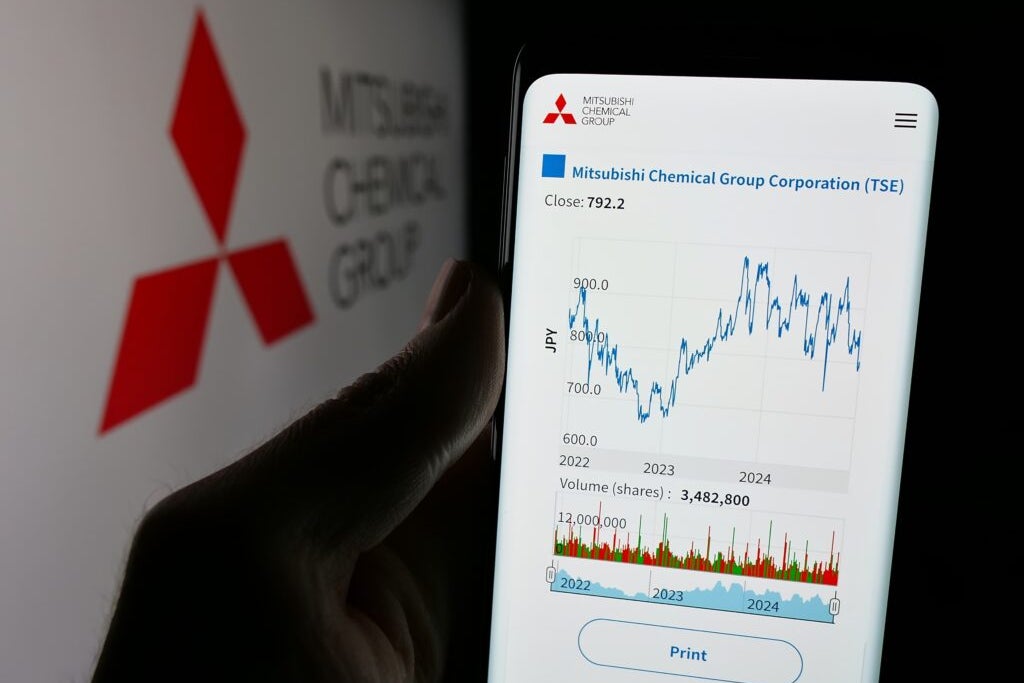
Group 1 - Mitsubishi Corp., one of Japan's largest trading houses, has experienced a decline in its Growth score in Benzinga's Edge Rankings, dropping from 93.13 to 55.8 within a week [4][5] - The company's second-quarter results revealed a 42% year-over-year drop in its bottom line, primarily due to weakness in coal prices [4] - Despite the decline in growth metrics, Mitsubishi's shares have increased by 42.8% year-to-date, indicating a complex market response [4] Group 2 - The Growth score in Benzinga's Edge Stock Rankings evaluates revenue and earnings expansion, reflecting both long-term and near-term performance [2] - A decrease in the Growth score typically signals weak quarterly earnings performance, which can affect long-term growth metrics and fundamentals [3] - Warren Buffett's Berkshire Hathaway has increased its equity position in Mitsubishi Corp. to 10.23%, accumulated over the past few years [5]
Meet the Stock Billionaire Warren Buffett Has Bought for 5 Consecutive Quarters (No, It's Not Shares of Berkshire Hathaway)
The Motley Fool· 2025-11-24 08:06
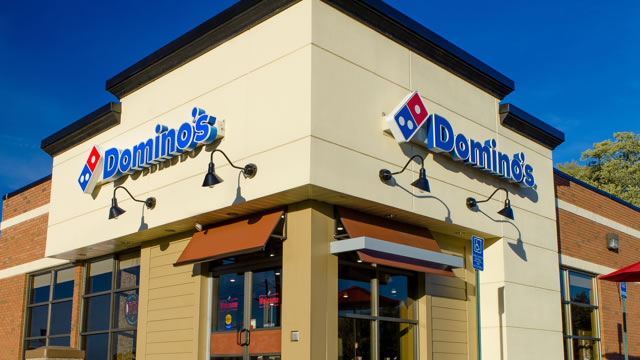
Core Insights - Warren Buffett, the CEO of Berkshire Hathaway, will retire at the end of 2025, passing control of the company's $300 billion investment portfolio to Greg Abel [1][2] - Under Buffett's leadership, Berkshire Hathaway's Class A shares have gained over 6,086,000% since he became CEO approximately 60 years ago [2] - Buffett has been a selective buyer in a historically expensive stock market, with a notable exception being his consistent purchases of Domino's Pizza stock over the last five quarters [4][10] Company Performance - Domino's Pizza has seen its shares rally 6,400% since going public in July 2004, including dividends [10] - The company has successfully executed a marketing strategy that improved its product perception, contributing to its stock performance [12][13] - Domino's has a robust capital-return program, having increased its base annual dividend for 13 consecutive years, which appeals to long-term investors [15] Investment Strategy - Buffett's investment philosophy emphasizes long-term value, sustainable competitive advantages, and strong management teams, with a critical focus on valuation [5][6] - The "Buffett Indicator" recently reached an all-time high of 223%, indicating a historically expensive stock market [6] - Despite being a long-term investor, Buffett has sold $184 billion more in stocks than he has purchased over the last three years, leading to a cash pile of approximately $382 billion [7][8] Valuation Metrics - As of November 20, shares of Domino's Pizza were valued at 20 times forward-year earnings, representing a 25% discount to its average forward price-to-earnings ratio over the past five years [16]