
Invitation Homes(INVH)

Search documents
3 things Trump did in 24 hours to show that he’s in control of American business
Fortune· 2026-01-08 18:41
Market Interventions - President Trump has initiated three significant state interventions in various markets, indicating a shift from traditional Republican laissez-faire policies to more direct control over economic activities [2][3] - The interventions include a ban on large institutional investors from purchasing single-family homes, a cap on executive compensation in the defense sector, and control over Venezuelan oil proceeds [5][9][16] Housing Market - Trump announced a ban on "large institutional investors," such as private equity firms and real estate trusts, from buying single-family homes, emphasizing that "people live in homes, not corporations" [5] - Following the announcement, stocks of institutional investors like Blackstone and Invitation Homes dropped by 6%, with American Homes 4 Rent experiencing trading halts due to volatility [6] - Institutional investors currently own only 2% of the housing stock, but their presence is concentrated in cities like Atlanta and Jacksonville [7] Defense Sector - Trump expressed frustration with the slow pace of weapons production and announced a cap on executive compensation at major defense contractors at $5 million annually, contrasting with typical CEO salaries of $18 million to $25 million [9][10] - An executive order formalized this policy, restricting how defense contractors can use profits and compensating executives, including barring stock buybacks and dividends for underperforming firms [11] - This move has raised concerns about the legal implications and the potential expropriation of decision-making power from shareholders to the state [12][14] Venezuelan Oil Control - Following the arrest of Venezuela's president, Trump announced U.S. control over approximately 50 million barrels of Venezuelan crude oil, valued at around $3.5 billion, with proceeds to be used exclusively for American-made goods [16][17] - This arrangement creates a "closed-loop" system that prioritizes American manufacturing over market-driven decisions, marking a significant shift towards managed trade [18] - The administration's approach reflects a broader trend of dictating market outcomes, including home purchases and executive pay, rather than allowing market forces to operate freely [19]




Invitation Homes: The Market May Be Wrong About The Trump Home Ban (NYSE:INVH)
Seeking Alpha· 2026-01-08 15:44
Core Viewpoint - Invitation Homes (INVH) experienced a significant selloff due to news that institutional capital may be restricted from investing in single-family homes, resulting in a high dividend yield of 4.5% for the stock [1]. Company Summary - The selloff of INVH shares indicates market concerns regarding potential regulatory changes affecting institutional investments in the single-family housing market [1]. - The stock's current dividend yield of 4.5% reflects the market's reaction to the news and may present a buying opportunity for income-focused investors [1].

Invitation Homes: The Market May Be Wrong About The Trump Home Ban
Seeking Alpha· 2026-01-08 15:44
Core Viewpoint - Invitation Homes (INVH) experienced a significant selloff due to news that institutional capital may be restricted from investing in single-family homes, resulting in a high dividend yield of 4.5% for the stock [1]. Company Summary - The selloff of INVH shares indicates market concerns regarding potential regulatory changes affecting institutional investments in the single-family housing market [1]. - The stock's current dividend yield of 4.5% reflects the market's reaction to the news and may present a buying opportunity for investors seeking income [1].

Invitation Homes (NYSE: INVH) Price Target and Financial Health Overview
Financial Modeling Prep· 2026-01-08 09:02
Core Viewpoint - Invitation Homes (NYSE: INVH) is a leading REIT focused on single-family home rentals, demonstrating strong financial health and growth potential, with a recent price target set at $27 by Mizuho Securities, indicating a potential upside of 2.23% [1][6] Financial Performance - The company has increased its 2025 Adjusted Funds From Operations (AFFO) guidance to $1.62 per share, reflecting confidence in its financial stability [3][6] - Invitation Homes offers a 4.3% dividend yield, making it attractive for investors seeking passive income [3][6] Market Position - Currently priced at $26.41, INVH has experienced a decrease of 6.01%, with a market capitalization of approximately $16.19 billion and a trading volume of 30.37 million shares [5] - The stock has fluctuated between a low of $25.29 and a high of $28.35 today, and over the past year, it reached a high of $35.80 and a low of $25.29 [5] Strategic Initiatives - The company has initiated a $500 million buyback program, indicating management's belief in the long-term value of the company [4][6] - With 96.8% of its shares held by institutional investors, Invitation Homes enjoys strong confidence from large money managers, endowments, and hedge funds, highlighting its potential for long-term growth [4]
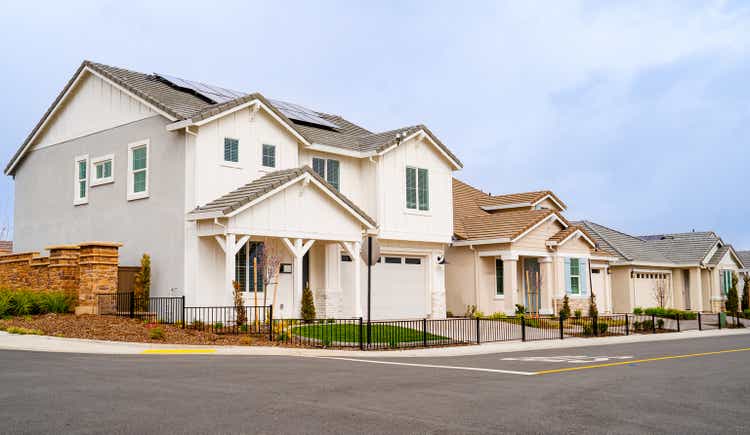
Invitation Homes Stock: Buy The Trump Dip (Upgrade) (NYSE:INVH)
Seeking Alpha· 2026-01-08 05:47
Core Viewpoint - Invitation Homes (INVH) shares have underperformed over the past year, losing approximately 15% of their value due to concerns about declining home prices and weak rental inflation [1] Company Performance - The stock has faced challenges attributed to lower home prices and a slowdown in rental inflation, which have negatively impacted its market performance [1] Investment Strategy - The article emphasizes a contrarian investment approach, suggesting that macro views and stock-specific turnaround stories can lead to outsized returns with a favorable risk/reward profile [1]
Invitation Homes: Buy The Trump Dip (Rating Upgrade)
Seeking Alpha· 2026-01-08 05:47
Core Viewpoint - Invitation Homes (INVH) shares have underperformed over the past year, losing approximately 15% of their value due to concerns regarding declining home prices and weak rental inflation [1] Company Performance - The stock has faced challenges attributed to macroeconomic factors affecting the housing market, particularly lower home prices and rental inflation trends [1] Investment Insights - The analysis suggests a contrarian approach may be beneficial, focusing on macro views and specific turnaround stories to achieve favorable risk/reward profiles [1]

花旗:特朗普机构购房禁令引发下跌 这两只美股被过度抛售
智通财经网· 2026-01-08 02:44
Core Viewpoint - The sell-off of Invitation Homes (INVH.US) and American Homes 4 Rent (AMH.US) following President Trump's comments on banning institutional investors from purchasing homes appears to be excessive [1] Group 1: Company Impact - Following Trump's remarks, INVH and AMH experienced significant stock price declines, with INVH dropping approximately 6% and AMH falling around 4% [1] - Analyst Nick Joseph suggests that if INVH and AMH are forced to liquidate or decide to do so due to inability to expand their portfolios, it could actually serve as a positive catalyst for their stock prices, as both companies are currently trading well below their net asset values [1] Group 2: Market Context - The concept of banning institutional home purchases has been discussed for years, and while it seems more likely now, many investors have already considered the potential impacts if such a ban were to become law [1] - The report indicates that the Trump administration is unlikely to prevent AMH from advancing its development projects or to stop INVH from signing development agreements with home builders, as these activities would contribute to increasing housing supply [1]
特朗普拟禁机构投资者购买独栋住宅 相关板块股票遭重创
智通财经网· 2026-01-07 22:25
Core Viewpoint - The announcement by President Trump to potentially ban large institutional investors from purchasing single-family homes has raised concerns in the real estate market, leading to a decline in related stock prices and highlighting ongoing issues in the housing market [1][2]. Group 1: Policy Announcement - President Trump plans to take immediate action to prohibit large institutional investors from buying more single-family homes and will urge Congress to legislate this measure [1]. - The discussion around this policy comes as the U.S. housing market remains sluggish, with residential sales expected to be at a 30-year low for the third consecutive year [1]. Group 2: Market Reaction - Following the announcement, stocks related to real estate, such as Invitation Homes and American Homes 4 Rent, saw declines of 6.01% and 4.29%, respectively [2]. - Blackstone, involved in housing rentals and real estate funds, experienced a 5.57% drop in stock price, while Opendoor's stock fell by 11.69% [3]. Group 3: Institutional Investor Impact - Institutional investors, defined as non-lending entities purchasing at least 10 properties within a year, accounted for approximately 6.8% of U.S. residential transaction volume by Q3 2025, down from a peak of 11.3% at the end of 2021 [2]. - The significant rise in home prices over the past five years, with a cumulative increase of over 50% since March 2020, has been partly attributed to the influx of Wall Street capital [2]. Group 4: Analyst Perspectives - Analysts suggest that the market reaction to the policy announcement may be exaggerated, indicating potential mid- to long-term investment opportunities in single-family residential REITs and certain homebuilders [3]. - Analysts recommend that affected REITs could adapt to potential policy changes by shifting to self-development, adjusting capital allocation, or selling some existing assets to realize gains from rising home prices [3].

INVH, AMH retreat looks overdone on Trump institutional housing ban talk: Citi (INVH:NYSE)
Seeking Alpha· 2026-01-07 19:27
Core Viewpoint - The intraday selloff in Invitation Homes (INVH) and American Homes 4 Rent (AMH) is considered overdone by Citi Research, following comments from U.S. President Donald Trump regarding potential actions to ban institutional investors from purchasing homes [4] Company Analysis - Invitation Homes (INVH) and American Homes 4 Rent (AMH) experienced significant stock price declines due to market reactions to political comments [4] - Citi Research suggests that the market's reaction may not accurately reflect the long-term fundamentals of these companies [4] Industry Context - The potential ban on institutional investors buying homes could impact the housing market dynamics, particularly affecting rental companies like INVH and AMH [4] - Institutional investment in residential real estate has been a growing trend, and any regulatory changes could reshape the competitive landscape [4]
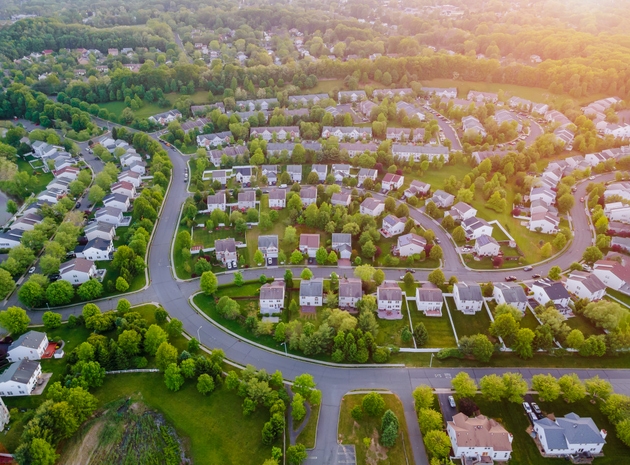
Thinking About Buying a Rental Property in 2026? Consider These Passive Income Investments Instead.
Yahoo Finance· 2026-01-04 12:25
Group 1 - More than half of Americans plan to set financial resolutions for the new year, with goals including boosting income, investing more, and starting a small business or side hustle [1] - Investing in rental properties can generate passive income but comes with high start-up costs and management requirements, making it potentially risky [2] - Real Estate Investment Trusts (REITs) offer a lower upfront investment and truly passive income, making them an attractive alternative to rental properties [3] Group 2 - Invitation Homes focuses on single-family rental properties, owning over 86,000 homes and managing more than 16,000 properties for third-party investors, providing significant diversification and cost reduction [5] - The REIT pays a quarterly dividend of $0.30 per share, with a 4.3% dividend yield, and has consistently raised its dividend since its IPO in 2017 [6] - Invitation Homes has multiple growth drivers, including rising rental income from new leases, acquisitions of new properties, and expansion of its third-party management platform [7][8]