
Valaris(VAL)

Search documents
Avoid S&P + Bonds, Buy Gold + Energy - George Noble
Seeking Alpha· 2026-03-19 10:00
Core Insights - The current market is undergoing a regime change, moving from a disinflationary environment to an inflationary one, which will impact asset prices and investment strategies [14][19][24] - Investors are advised to shift their focus from traditional equities, particularly the S&P 500, to commodities like gold and energy stocks, as bonds are seen as inadequate for inflation protection [24][25][89] Investment Strategies - The recommendation is to sell bonds and invest in gold and oil, as these assets are expected to perform better in the current inflationary environment [25][89] - The equal-weighted S&P (RSP) is suggested over the traditional S&P 500 to avoid the heavy tech exposure that has characterized recent market performance [24][89] Market Analysis - The market is experiencing significant dispersion and rotation, indicating that stock picking will be crucial for outperforming the market [22][26] - The tech sector, particularly the MAG-7 stocks, is viewed as overvalued and likely to face challenges due to changing business models and economic conditions [40][50][56] Commodities and Energy - Gold is highlighted as a hedge against poor central bank decisions and is expected to rise significantly, with projections suggesting it could reach $7,000 to $10,000 in the coming years [85][86] - Energy stocks are considered undervalued due to years of underinvestment, and the depletion of oil resources is expected to drive prices higher [86][88] Private Credit Concerns - Private credit is described as a potential source of risk in the market, with concerns about its lack of price discovery and the potential for significant losses as liquidity tightens [92][95][98] - The situation with private credit is compared to past financial crises, indicating that it could lead to broader market issues if not managed properly [95][98]





Susquehanna Keeps a Neutral Rating on Valaris Limited (VAL)
Yahoo Finance· 2026-03-10 07:39
Core Insights - Valaris Limited (NYSE:VAL) is recognized as one of the 12 best-performing stocks in February 2026 [1] - Susquehanna analyst Charles Minervino raised Valaris's price target to $96 from $87 while maintaining a Neutral rating, following a review of fourth-quarter data and discussions about a potential agreement with Transocean [2] - Valaris reported fourth-quarter 2025 operating revenue of $537 million, adjusted EBITDA of $97 million, and net income of $717 million, with a decrease in revenues due to fewer operating days and other factors [3] Company Overview - Valaris Limited provides offshore contract drilling services to the international oil and gas industry, operating in segments including Floaters, Jackups, ARO, and Other [4] Financial Performance - Fourth-quarter revenues decreased to $502 million from $556 million in the third quarter, attributed to fewer floater operating days, the sale of the jackup VALARIS 247, and lower bareboat charter sales from ARO Drilling [3] - Contract drilling expenses increased to $380 million from $368 million, driven by higher maintenance, claims, and mobilization costs [3]
Bank Of N.T. Butterfield & Son: An Offshore Moat Yielding Massive Capital Returns
Seeking Alpha· 2026-02-27 15:09
Core Viewpoint - The article suggests that investors may want to consider investing in quieter, more stable companies in the Caribbean, particularly in sectors like commodities, iGaming, and casinos, as an alternative to the volatility seen in mainland regional banks [1] Group 1: Investment Focus - The author has been investing and trading for over 7 years with a focus on commodities, iGaming & casinos, and asset-heavy businesses [1] - The investment strategy includes holding positions for longer periods while also engaging in shorter trades when market mispricing occurs [1] Group 2: Current Investment Interests - Current favorite investments include Uranium ($SRUUF), Better Collective ($BETCO.ST), Valaris ($VAL), Genting Berhad ($3182.KL), and St. Joe ($JOE) [1] Group 3: Analyst Background - The author is pursuing a degree in quantitative finance while maintaining fundamental analysis skills through writing articles [1]
Valaris Limited (NYSE:VAL) Sees Modest Price Target Increase and Growing Institutional Interest
Financial Modeling Prep· 2026-02-23 19:10
Core Viewpoint - Valaris Limited is a significant player in the offshore drilling industry, providing services globally and competing with major companies like Transocean and Noble Corporation [1] Company Performance - Valaris's stock price has increased by 3.52%, reaching $95.75, with fluctuations between $89.12 and $95.89 on the day [5] - Over the past year, the stock has ranged from a low of $27.15 to a high of $96.40, with a market capitalization of approximately $6.66 billion and a trading volume of 2,613,194 shares [5][6] Institutional Interest - Institutional investors have shown significant interest in Valaris, with Semanteon Capital Management LP acquiring 9,505 shares valued at approximately $464,000 [3] - ANTIPODES PARTNERS Ltd increased its holdings by 8,034% during the third quarter, now owning 580,198 shares worth $28.3 million [4] - Goehring and Rozencwajg Associates LLC expanded its position by 108.9%, holding 902,440 shares valued at $44 million [4][6] Analyst Insights - Charles Minervino from Susquehanna set a price target of $96 for Valaris, indicating a modest potential increase of 0.26% from the current stock price [2][6]
Mohnish Pabrai’s Latest Portfolio: Big Bets on Coal, Energy, and Cyclical Recovery
Acquirersmultiple· 2026-02-22 23:18
Core Insights - Dalal Street LLC, led by Mohnish Pabrai, reported an equity portfolio valued at approximately $402 million, emphasizing a high-conviction, concentrated value investing strategy focused on cyclical commodity and energy services companies [1][10] Portfolio Overview - Total Portfolio Value: ~$402 million - Top 10 Holdings Weight: ~100%, indicating an extremely concentrated portfolio - Turnover Rate: Low to Moderate, with selective additions and one exit [3][8] Top Holdings - Warrior Met Coal (HCC): ~$158.7 million, ~39.5% of the portfolio - Transocean (RIG): ~$111.7 million, ~27.8% of the portfolio - Alpha Metallurgical Resources (AMR): ~$108.5 million, ~27.0% of the portfolio - Valaris (VAL): ~$23.1 million, ~5.8% of the portfolio [3] Recent Activity - Notable Additions: - Transocean (RIG): Increased shares by ~2.6 million (~+10.6%), indicating confidence in offshore drilling recovery [4] - Alpha Metallurgical Resources (AMR): Small increase (~+2%), reflecting ongoing commitment to metallurgical coal [4] - Major Trim: - Valaris (VAL): Reduced shares by ~607,000 (~-57%), likely for profit-taking or rebalancing [5] - Full Exit: - Noble Corp (NE): Previous value ~$6.8 million, fully exited to consolidate offshore drilling exposure [7] Investment Strategy - The portfolio reflects a deep value and concentrated cyclical betting style, typically holding positions for multiple years with low turnover [8] - Focus remains on sectors with significant cyclical leverage, particularly metallurgical coal and offshore drilling, which are characterized by supply constraints and volatile pricing [10][11]




全球最大海上钻井船东正式诞生
Sou Hu Cai Jing· 2026-02-22 21:21
Group 1 - The core point of the article is the merger agreement between Transocean and Valaris, which will create the world's largest offshore drilling contractor with over 70 drilling platforms and a total value of nearly 120 billion RMB [1] - The acquisition is structured as an all-stock transaction valued at approximately 5.8 billion USD, equivalent to about 400.69 billion RMB, resulting in a combined company valuation of around 17 billion USD, or approximately 1,174.44 billion RMB [3] - Post-merger, Transocean shareholders will hold about 53% of the new company's equity, while Valaris shareholders will own the remaining 47% [3] Group 2 - The merger aims to achieve a high degree of asset complementarity between the two companies, creating a comprehensive service capability that covers all scenarios and water depths [3] - The new company will possess 73 drilling platforms, making it one of the largest fleets globally, with operations spanning ultra-deep water, harsh environments, and shallow water markets [3] - The fleet will include 33 ultra-deepwater drilling ships, 9 semi-submersible drilling platforms, and 31 modern jack-up drilling rigs, along with approximately 10 billion USD in contracts, ensuring stable operations for the next 1-2 years [3] Group 3 - Prior to the merger, Transocean was a leading offshore drilling platform operator with 27 mobile offshore drilling units, including 20 ultra-deepwater floating drilling platforms [4] - Valaris, on the other hand, was recognized for its diverse fleet and extensive operational experience across all major offshore basins, owning 49 offshore drilling units, including 13 ultra-deepwater drilling ships [4] - The merger is expected to accelerate the oligopolistic trend in the global offshore drilling industry, with the new company poised to dominate the high-end drilling market, particularly in the ultra-deepwater sector [5]
Valaris(VAL) - 2025 Q4 - Annual Report
2026-02-20 20:08
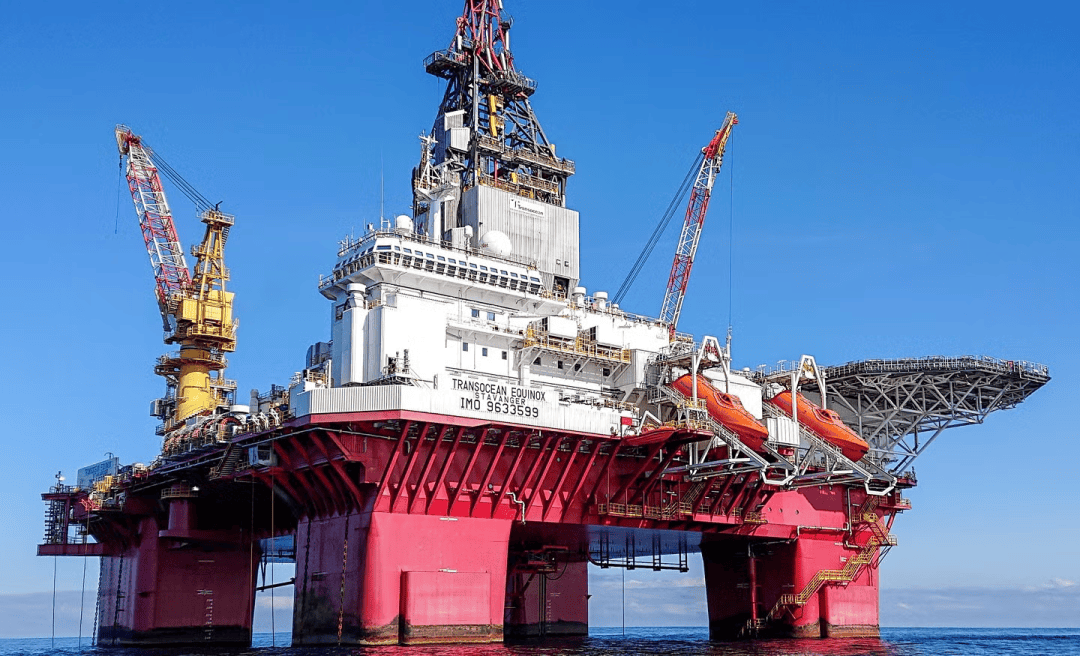
Fleet and Operations - Valaris owns a fleet of 46 rigs, including 13 drillships, 2 semisubmersible rigs, and 31 jackup rigs, with a 50% equity interest in ARO, which owns an additional 9 rigs[20]. - The company has a total of 31 jackup rigs in its fleet, with 13 drillships capable of drilling in water depths of up to 12,000 feet[200][198]. - The company has 13 drillships and 2 semisubmersibles, with the semisubmersibles capable of drilling in water depths of up to 10,000 feet[198][199]. - As of February 17, 2026, several rigs are under contract, including VALARIS DS-4, DS-7, DS-8, and DS-9, all of which are dynamically positioned drillships[196]. - The company has a future contract for VALARIS DS-10, which is a drillship expected to operate in Spain[196]. Financial Performance - During the year ended December 31, 2025, the five largest customers accounted for 49% of consolidated revenues, with Petrobras, BP, and Azule Energy contributing 35%[32]. - Revenues from non-U.S. operations represented 86%, 84%, and 80% of total consolidated revenues for the years ended December 31, 2025, 2024, and 2023, respectively[35]. - The current contract backlog for the company is approximately $4.7 billion as of February 17, 2026, compared to $3.6 billion on February 18, 2025, reflecting a significant increase[91]. - In 2025, the company's five largest customers accounted for 49% of consolidated revenues, with the largest customer representing 13% of total revenues, highlighting significant reliance on major clients[99]. - The company has not paid or declared any dividends on its common shares due to restrictions in its indenture and credit agreements[208]. Business Combination and Risks - On February 9, 2026, Valaris entered into a business combination agreement with Transocean, where Transocean will acquire all Valaris shares at an exchange ratio of 15.235 Transocean shares for each Valaris share[23]. - The Business Combination Agreement with Transocean involves an exchange ratio of 15.235 Transocean shares for each Valaris share, resulting in Transocean shareholders owning approximately 53% and Valaris shareholders 47% of the combined company[75]. - If the Business Combination Agreement is terminated under certain circumstances, the company may incur a termination fee of approximately $173 million to Transocean[78]. - The company is subject to various risks related to the Business Combination, including potential delays or failure to complete the transaction due to external factors[75]. - The company may experience risks associated with future mergers, acquisitions, or dispositions of businesses, which could impact its financial stability[1]. Market Conditions and Competition - The offshore drilling industry is currently experiencing an oversupply of oil, but is expected to shift to a tighter market over the next few years due to underinvestment in upstream development[24]. - Valaris operates in a highly competitive environment, with significant variations in rig supply and demand affecting rig utilization and day rates[26]. - The offshore contract drilling industry is highly competitive, with pricing, safety records, and operational efficiency being key factors in securing contracts[88]. - Competition for skilled personnel is intense, leading to challenges in recruitment and retention, which could affect operational capabilities[113]. Sustainability and Compliance - The company is focused on sustainability and has a dedicated department to promote sustainable business practices and manage related risks[45]. - The company has adopted a policy against modern slavery and human trafficking in its business and supply chains[50]. - Compliance with environmental laws and regulations may impose additional costs and operational limitations on the company[1]. - Increased regulation and sustainability initiatives may restrict offshore drilling activities, adversely impacting financial results[153]. - The EU's Corporate Sustainability Reporting Directive may require the company to report on sustainability topics as early as 2028 for certain subsidiaries, increasing compliance costs[178]. Cybersecurity and Operational Risks - The company has implemented a cybersecurity program with administrative, technical, and physical safeguards to manage risks from cybersecurity threats[185]. - Cybersecurity risks are integrated into the company's enterprise risk management process, with regular reviews by the Executive Management Committee and the board of directors[189]. - The Audit Committee oversees the company's IT and cybersecurity program, receiving quarterly reports on cybersecurity incidents and risks[190]. - The company engages third-party service providers for cybersecurity assessments to strengthen its cybersecurity posture[192]. - No material cybersecurity threats or incidents have been reported as of the date of the annual report, but future risks remain[195]. Workforce and Training - The global workforce of the company was approximately 5,070 persons, including contractors, and about 3,800 persons excluding contractors as of December 31, 2025[52]. - Approximately 1,620 personnel have attended the Building Organizational Leadership (BOLD) training program since its launch in 2021[55]. - The company launched an enhanced leadership development program for senior offshore leaders in 2025, delivered through targeted workshops[55]. - The company emphasizes employee wellbeing by offering an employee assistance program (EAP) that provides access to mental health professionals and other benefits[53]. - The company has a diverse workforce representing 78 nationalities across 25 locations[52]. Legal and Regulatory Risks - The company faces risks from litigation, including contract disputes and environmental claims, which could adversely affect financial results[160]. - Increased climate-related litigation risks may arise, particularly from governmental entities seeking damages related to climate change[161]. - The company may encounter challenges in enforcing judgments against its directors and officers due to its Bermuda incorporation[162]. - Provisions in the company's bye-laws could delay or prevent a change in control, potentially affecting the price of its Common Shares[164]. - The company is subject to various international trade laws and regulations that could impact its operations and financial position[174]. Financial Covenants and Shareholder Returns - The 2028 Credit Agreement includes financial covenants requiring a minimum book value of equity to total assets ratio, interest coverage ratio, and liquidity[141]. - Valaris Limited's cumulative total shareholder return increased from $100 to $285.3 by 2023, reflecting a 185.3% growth since May 3, 2021[214]. - The cumulative total return for the S&P MidCap 400 Index was $105.9 by 2023, indicating a 5.9% increase since the same date[218]. - Valaris Limited's stock performance outperformed the Industry Index, which had a cumulative return of $167.3 by 2023[218]. - The company plans to continue its market expansion and product development strategies to enhance shareholder value[214].
华仕伯2025财年净利润同比大增163%,净利率显著提升
Xin Lang Cai Jing· 2026-02-20 19:40
Core Viewpoint - The company, 华仕伯 (VAL.US), reported a significant increase in net profit for the fiscal year 2025, with a year-on-year growth of 163.20% and a net profit margin of 41.49% [1][2]. Financial Performance - The total revenue for the fiscal year 2025 was $2.369 billion, reflecting a slight year-on-year increase of 0.27%. The net profit reached $983 million, with a substantial year-on-year growth of 163.20%, and the net profit margin improved to 41.49%. In Q4 alone, the net profit was $718 million, with an impressive net profit margin of 133.51%, primarily due to cost control and operational efficiency improvements [2]. - The annual gross margin was 25.03%, and the operating profit margin was 20.93%, indicating robust profitability in core business operations [2][4]. Financial Condition - The operating cash flow for the year was $546 million, with free cash flow amounting to $203 million, indicating strong liquidity. The diluted earnings per share were $13.99, with a return on equity (ROE) of 36.33% and a return on assets (ROA) of 20.21%, both of which are above industry averages. As of the end of 2025, the company's debt-to-asset ratio was 40.21%, and the current ratio was 1.77, reflecting a healthy financial structure [3]. Company Fundamentals - In Q4, the single-quarter revenue was $537 million, showing a year-on-year decline of 8.04%. However, the net profit saw a remarkable year-on-year increase of 436.65%, demonstrating the company's ability to achieve profit elasticity through cost optimization during periods of revenue pressure. The substantial growth in net profit amidst a slight increase in annual revenue confirms the improvement in profitability quality [4]. Company Valuation - According to the financial report, the current price-to-earnings (P/E) ratio of the company is 3.6 times (based on an adjusted closing price of $50.4), which is below the industry average. The return on invested capital (ROIC) stands at 12.94%, indicating good capital allocation efficiency [5].
Valaris Limited (VAL) Q4 Earnings and Revenues Top Estimates
ZACKS· 2026-02-19 23:56
分组1 - Valaris Limited (VAL) reported quarterly earnings of $0.79 per share, exceeding the Zacks Consensus Estimate of $0.51 per share, but down from $1.88 per share a year ago, representing an earnings surprise of +54.90% [1] - The company posted revenues of $537.4 million for the quarter ended December 2025, surpassing the Zacks Consensus Estimate by 9.44%, although this is a decrease from year-ago revenues of $584.4 million [2] - Valaris shares have increased approximately 80.6% since the beginning of the year, significantly outperforming the S&P 500's gain of 0.5% [3] 分组2 - The current consensus EPS estimate for the upcoming quarter is $0.29 on revenues of $454.85 million, and for the current fiscal year, it is $3.59 on revenues of $2.12 billion [7] - The Zacks Industry Rank for Oil and Gas - Drilling is currently in the bottom 27% of over 250 Zacks industries, indicating potential challenges for the sector [8] - Seadrill (SDRL), another company in the same industry, is expected to report quarterly earnings of $0.07 per share, reflecting a year-over-year decline of -93.5% [9]

Valaris(VAL) - 2025 Q4 - Annual Results
2026-02-19 21:31
Financial Performance - Valaris reported a net income of $717 million for Q4 2025, significantly up from $187 million in Q3 2025, driven by a tax benefit of $680 million[6]. - Total operating revenues decreased to $537 million in Q4 2025, down 10% from $595.7 million in Q3 2025, primarily due to fewer operating days and the sale of jackup VALARIS 247[8]. - Adjusted EBITDA for Q4 2025 was $97 million, a decrease of 41% compared to $163 million in Q3 2025[8]. - Operating income for the same period was $39.4 million, down from $130.5 million in the prior quarter[28]. - Net income attributable to Valaris for the three months ended December 31, 2025, was $717.5 million, compared to $188.1 million in the previous quarter[28]. - Basic earnings per share for the quarter was $10.32, significantly higher than $2.66 in the prior quarter[28]. - Net income for the year ended December 31, 2025, was $979.1 million, a significant increase from $369.8 million in 2024, representing a growth of 164%[32]. - Net cash provided by operating activities for the year ended December 31, 2025, was $546.2 million, compared to $355.4 million in 2024, reflecting a 54% increase[32]. - Valaris reported a net income of $716.8 million for the three months ended December 31, 2025, compared to $187.3 million for the previous quarter[61]. Revenue and Backlog - The company secured nearly $900 million in new contract backlog since the last quarterly report, increasing total backlog to approximately $4.7 billion[8]. - Total operating revenues for the upcoming period are projected to be between $2,125 million and $2,205 million[24]. - Adjusted EBITDA is expected to range from $485 million to $565 million, excluding costs related to the pending business combination with Transocean Ltd.[24]. - The total contract backlog increased to $4,672.3 million as of February 17, 2026, up from $4,450.3 million on October 23, 2025, representing a growth of 5%[40]. - The total contract backlog for jackups was $1,125.8 million as of February 17, 2026, compared to $1,262.9 million on October 23, 2025, representing a decline of 10.8%[40]. - ARO's net income (loss) was $(1.4) million for the three months ended December 31, 2025, compared to $2.4 million in the previous quarter[61]. - The contract backlog for ARO Drilling was $2,011.3 million as of February 17, 2026, down from $2,164.6 million on October 23, 2025[55]. Expenses and Capital Expenditures - Contract drilling expenses increased to $380 million in Q4 2025 from $368 million in Q3 2025, mainly due to higher repair costs and mobilization expenses[9]. - Capital expenditures for 2026 are projected at $260 million, focusing on maintenance and upgrades, with $110 million expected from customer upfront payments[21]. - Capital expenditures are anticipated to be between $425 million and $475 million[24]. - Payments for share repurchases in the three months ended December 31, 2025, were $25.0 million, down from $75.0 million in the previous quarter, a decrease of 66.7%[34]. - The company reported a net cash used in investing activities of $205.6 million for the year ended December 31, 2025, compared to $452.3 million in 2024, a reduction of 54%[32]. Operational Metrics - Revenue efficiency for Q4 2025 was reported at 98%, maintaining a consistent performance above 96% for five consecutive years[4]. - Total fleet utilization decreased to 57% in Q4 2025 from 60% in Q3 2025, indicating a decline of 3 percentage points[44]. - Active fleet utilization was 80% in Q4 2025, down from 84% in Q3 2025, reflecting a decrease of 4 percentage points[46]. - Operating days for the total fleet were 2,855 in Q4 2025, a decrease from 3,114 in Q3 2025, representing a decline of 8%[48]. - The average daily revenue for leased and managed rigs was $53,000 in Q4 2025, compared to $55,000 in Q3 2025, showing a decrease of 3.6%[42]. - The total number of operating days for jackups in the harsh environment was 690 in Q4 2025, down from 748 in Q3 2025, reflecting a decrease of 7.8%[48]. - The total active fleet decreased to 28 rigs as of December 31, 2025, down from 31 rigs a year earlier[52]. - The number of stacked rigs decreased to 10 as of December 31, 2025, from 15 a year earlier[52]. - Valaris' total number of rigs, including leased and managed rigs, was 46 as of December 31, 2025, down from 53 a year earlier[52]. Segment Performance - FLOATERS segment reported a net income of $26.4 million for the three months ended December 31, 2025, down from $90.0 million in the previous quarter[62]. - Adjusted EBITDA for FLOATERS was $58.4 million for the three months ended December 31, 2025, compared to $105.8 million in the prior quarter[62]. - DRILLSHIPS segment net income was $45.5 million for the three months ended December 31, 2025, compared to $80.3 million in the previous quarter[63]. - Adjusted EBITDA for DRILLSHIPS decreased to $60.4 million for the three months ended December 31, 2025, from $94.7 million in the prior quarter[63]. - HARSH ENVIRONMENT JACKUPS reported a net income of $29.3 million for the three months ended December 31, 2025, down from $130.5 million in the previous quarter[64]. - Adjusted EBITDA for HARSH ENVIRONMENT JACKUPS was $38.6 million for the three months ended December 31, 2025, compared to $48.8 million in the prior quarter[64]. - ARO Drilling's revenues for Q4 2025 were $139.6 million, a decrease of 10.9% compared to $156.8 million in Q3 2025[53]. - ARO Drilling's net loss for Q4 2025 was $1.4 million, compared to a net income of $2.4 million in Q3 2025[53]. - Valaris' Adjusted EBITDA for Q4 2025 was $42.1 million, a decrease from $59.7 million in Q3 2025[53].