
ExxonMobil(XOM)

Search documents
Exxon Mobil Vs. Chevron: One Oil Giant Stands Above The Other (NYSE:XOM)
Seeking Alpha· 2026-01-17 13:30
Group 1 - The article emphasizes the focus on cash flow and the potential for value and growth in the oil and natural gas sector [1] - Crude Value Insights provides a service that includes a 50+ stock model account and in-depth cash flow analyses of exploration and production (E&P) firms [1] - Subscribers have access to live chat discussions about the oil and gas sector, enhancing community engagement and information sharing [1] Group 2 - A two-week free trial is offered to new subscribers, encouraging them to explore the services related to oil and gas investments [2]


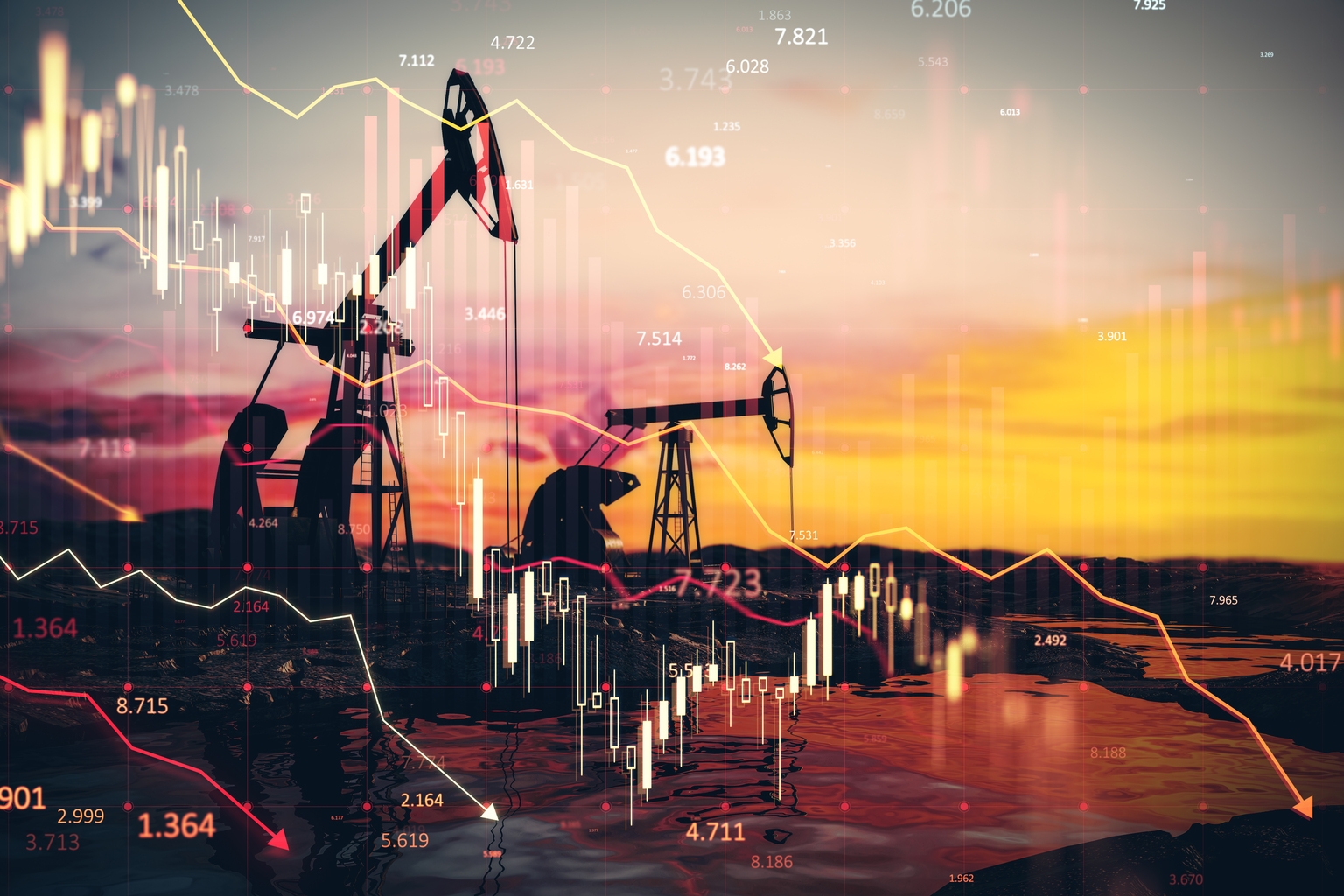
US sells Venezuelan oil at 30% higher prices, completes $500M deal, energy secretary says
New York Post· 2026-01-16 16:10
Core Viewpoint - The US is selling Venezuelan oil at prices approximately 30% higher than previous sales, following the capture of Nicolás Maduro, with the first sale valued at around $500 million [1][2]. Group 1: Oil Sales and Pricing - The US Department of Energy reported that the realized price for Venezuelan oil is about 30% higher compared to three weeks ago [2]. - President Trump announced that Venezuela would sell between 30 to 50 million barrels of oil to the US at "market price," with sales expected to continue indefinitely [4]. - Venezuela, holding the world's largest crude reserves at approximately 303 billion barrels, has seen its oil output decline to 800,000 barrels per day from a peak of 3.5 million barrels per day in the 1990s [4]. Group 2: Investment Opportunities - Following Maduro's capture, Trump has engaged with leaders from major oil companies such as Exxon, Chevron, and ConocoPhillips to discuss potential investments in Venezuelan oil [5]. - Chevron is highlighted as a key player due to its long-standing exposure to Venezuela and expertise in heavy oil, while ExxonMobil is also positioned to benefit if redevelopment becomes capital-intensive [10]. - ConocoPhillips, with its experience in heavy oil, is expected to gain if production increases under more stable conditions [10]. Group 3: Market Reactions - Brent crude oil prices increased by 50 cents, or 0.78%, reaching $64.26 per barrel, marking a fourth consecutive weekly gain [10]. - US West Texas Intermediate rose by 48 cents, or 0.81%, to $59.67, with both benchmarks achieving multi-month highs amid concerns of volatility due to protests in Iran [11].



埃克森美孚CEO直言:委内瑞拉石油行业“无投资价值”
财富FORTUNE· 2026-01-16 13:06
Core Viewpoint - Exxon Mobil's CEO Darren Woods stated that Venezuela's oil industry currently lacks investment value and requires significant reforms before any substantial investment can be considered [1][4]. Group 1: Investment Perspectives - President Trump gathered global oil executives to discuss potential investments in Venezuela, aiming for over $100 billion in funding to revitalize the country's oil sector [1][2]. - Woods' comments contrasted sharply with Trump's expectations, as he emphasized the need for careful evaluation before committing funds [4]. - Analyst Jim Wicklund noted that the oil industry shows no urgent desire to return to Venezuela due to political risks outweighing potential financial incentives [3][6]. Group 2: Market Conditions - Venezuela's oil production has drastically decreased to one-third of its early 2000s levels due to mismanagement, strikes, and U.S. sanctions, despite having the largest proven oil reserves [3][6]. - The cost to double Venezuela's current oil production is estimated at $110 billion, while restoring it to 2000 levels could require nearly $185 billion [6]. - The U.S. does not necessarily need Venezuelan oil, as increased production could harm other producers, including those in the U.S. [3][6]. Group 3: Strategic Decisions - Woods indicated that any large-scale investment would require a thorough understanding of financial guarantees, terms, and legal frameworks [4][7]. - Exxon Mobil has been focusing on offshore oil operations in neighboring Guyana, which is seen as a more logical investment compared to Venezuela [6][7]. - The extraction of Venezuela's heavy crude oil is complicated and costly, requiring additional efforts to dilute the oil for extraction [7].

When Oil Falls but Exxon and Chevron Don’t
Investing· 2026-01-16 07:09
Group 1 - The article provides a market analysis focusing on Chevron Corp and Exxon Mobil Corp, highlighting their performance in the crude oil sector [1] - It discusses the trends in Crude Oil WTI Futures, indicating fluctuations in prices and their impact on the overall market [1] - The analysis emphasizes the competitive landscape between Chevron and Exxon Mobil, noting their strategies and market positioning [1] Group 2 - The report includes specific financial metrics and performance indicators for both Chevron and Exxon Mobil, showcasing their revenue and profit margins [1] - It outlines the broader implications of crude oil price movements on the energy sector, including potential investment opportunities [1] - The analysis also touches on geopolitical factors influencing oil prices, which could affect future market dynamics [1]

美油企对重返委内瑞拉态度审慎
Zhong Guo Hua Gong Bao· 2026-01-16 02:44
Core Viewpoint - Major U.S. oil companies remain cautious about returning to Venezuela despite pressure from the U.S. government, citing safety risks, lack of legal protections, and investment uncertainties as primary concerns [1] Group 1: Company Perspectives - ExxonMobil's CEO Darren W. emphasized that Venezuela is currently in an "uninvestable" state and highlighted the need for a lasting investment protection mechanism [1] - Schlumberger's CEO Olivier Le Peuch expressed a willingness to mobilize local resources quickly when conditions are right, but acknowledged the significant investment scale as a common concern among U.S. oil companies [1] - Chevron is currently the only major U.S. oil company operating in Venezuela under a special U.S. license [1] Group 2: Government Stance - President Trump urged oil executives to commit to investments to help revitalize Venezuela's oil industry during a meeting at the White House [1] - The U.S. Interior Secretary Doug Burgum stated that Washington is unlikely to provide financial subsidies, indicating that investment capital must come from energy companies and the market [1] Group 3: Investment Challenges - Analysts noted that rebuilding Venezuela's devastated oil infrastructure could require years and hundreds of billions of dollars in funding, while the recovery of production capacity is expected to be relatively limited [1]

Crude Oil Price Will Likely Remain Soft: Will ExxonMobil Suffer?
ZACKS· 2026-01-15 19:01
Core Insights - The price of West Texas Intermediate (WTI) crude is around $60 per barrel, significantly lower than the previous year, impacting the upstream business of integrated energy companies like Exxon Mobil Corporation (XOM) [1][7] - The EIA projects the average WTI price for 2026 to be $52.21 per barrel, down from $65.40 in 2025, raising concerns about XOM's ability to maintain earnings from upstream operations [2] - XOM's strong balance sheet, with a debt-to-capitalization ratio of 13.6%, provides flexibility to navigate the low pricing environment [3] Company Performance - XOM's shares have increased by 21.1% over the past year, outperforming the industry average of 16.5% [6] - The company's valuation, with an EV/EBITDA of 8.20X, is above the industry average of 5.22X, indicating a premium valuation [7][8] - Recent upward revisions in the Zacks Consensus Estimate for XOM's 2025 earnings suggest positive market sentiment [9] Industry Context - Other major players like Chevron Corporation (CVX) and EOG Resources Inc (EOG) are also facing challenges due to lower crude prices, but they maintain strong balance sheets with debt-to-capitalization ratios of 17.52% and 20.26%, respectively [4][5]
Exxon awards contract to acquire deepwater seismic offshore Trinidad and Tobago
Reuters· 2026-01-15 17:55
Core Insights - Exxon Mobil has awarded a contract to Shearwater Geoservices for the acquisition of 3D seismic images over its large deepwater block offshore Trinidad and Tobago [1] Company Summary - The contract awarded to Shearwater Geoservices indicates Exxon Mobil's ongoing investment in exploration and development activities in the offshore sector [1]
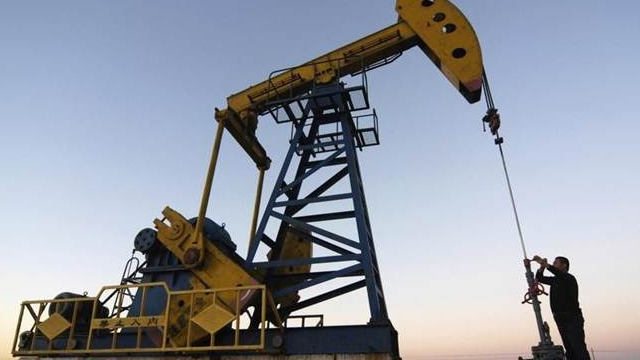
Shell and Exxon Halt Sale of Key U.K. North Sea Gas Assets
ZACKS· 2026-01-15 17:35
Core Insights - Shell plc and Exxon Mobil Corporation have abandoned their planned sale of U.K. North Sea natural gas assets to Viaro Energy due to unmet conditions for deal completion [1][9] - The sale was part of Shell's review of its Southern North Sea portfolio and aligned with Exxon's strategy to reduce its U.K. presence [2] Deal Collapse - Evolving commercial and market conditions were cited by Shell as reasons for not completing the transaction, despite extensive negotiations [3] - The North Sea Transition Authority's prolonged review and request for additional information from Viaro Energy contributed to the deal's abandonment [4] Strategic Importance of Assets - The assets included 11 offshore gas fields, an exploration prospect, and the Bacton gas terminal, which is crucial for U.K. gas supply [5] - Bacton is described as strategically important, capable of supplying up to one-third of the U.K.'s gas demand at peak levels [5] Future Considerations - Shell and Exxon must now explore alternative buyers for the asset portfolio, with previous interest from companies like Ithaca Energy and Perenco [7] - The strategic value of the assets may attract renewed interest as market and regulatory conditions change [7] Industry Context - BP is also planning to sell its stakes in the U.K. North Sea, having announced a sale to Serica Energy for $232 million, which is expected to provide exploration and production opportunities [8]

原油价格因伊朗袭击风险降低而下跌
Xin Lang Cai Jing· 2026-01-15 15:13
Core Viewpoint - The decline in Brent crude oil prices below $65 has negatively impacted major oil companies like ExxonMobil and Chevron, with their stock prices dropping by 0.2% and 0.4% respectively, following President Trump's comments that eased concerns about imminent U.S. military action against Iran [1][2]. Group 1 - Brent crude oil prices fell approximately 3%, influenced by President Trump's remarks regarding the situation in Iran [1][2]. - President Trump indicated a cautious approach, stating, "We want to see how it plays out," while also mentioning that the U.S. received "very positive statements from Iran" [1][2]. - Analysts suggest that Trump's comments aim to alleviate fears of a potential escalation into a broader regional conflict [3].
As Trump Spats With Exxon CEO Darren Woods Over Venezuela, Should You Take a Risk and Buy XOM Stock?
Yahoo Finance· 2026-01-15 14:18
After Venezuelan President Nicolas Maduro was captured by U.S. forces and brought to the United States to face charges, President Donald Trump began pushing for U.S. oil producers to start working in the country. But Exxon Mobil (XOM) may be on the outside looking in. CEO Darren Woods recently made remarks at a White House meeting that Venezuela and its massive oil reserves are currently “uninvestable,” and that Exxon would require changes to commercial terms, Venezuela’s legal system, hydrocarbon laws, a ...