
欧洲航天局

Search documents
欧航局成功发射一箭五星
news flash· 2025-07-26 11:44
Core Viewpoint - The European Space Agency successfully launched five satellites into orbit using the "Vega-C" rocket, marking a significant achievement in satellite deployment for Earth observation and carbon measurement [1] Group 1: Satellite Launch Details - The launch occurred on the night of July 25, local time [1] - The payload included four CO3D satellites designed for Earth observation and 3D mapping, along with one MicroCarb satellite aimed at measuring global carbon dioxide distribution [1]
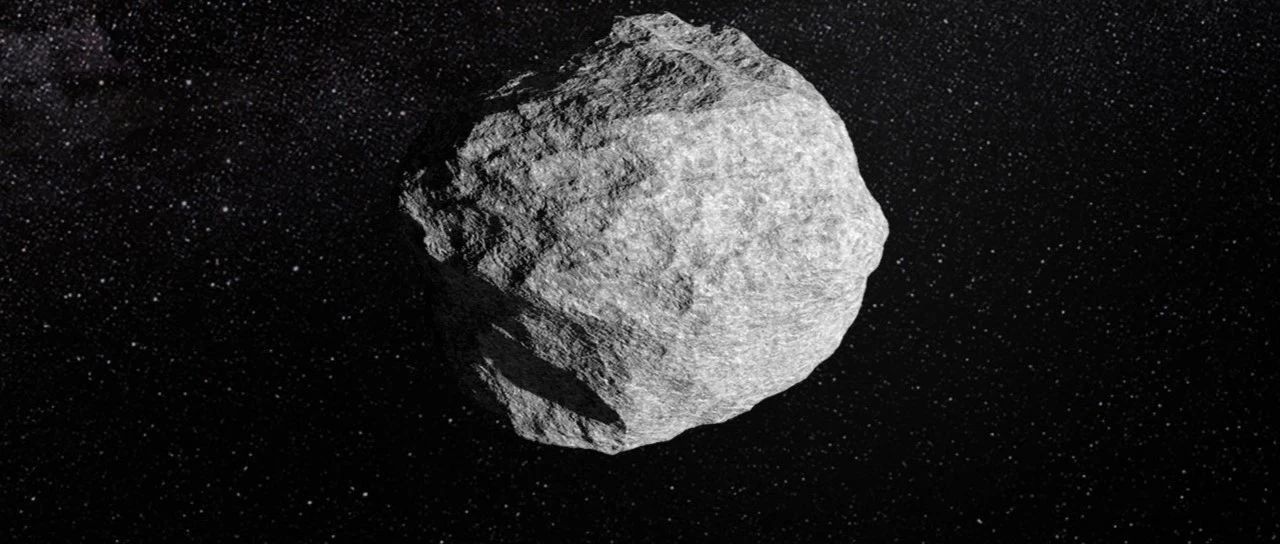
月球或在2032年遭一小行星撞击
财联社· 2025-06-27 11:12
Core Viewpoint - The European Space Agency (ESA) has confirmed a 4% probability of the near-Earth asteroid 2024 YR4 impacting the Moon in December 2032, while it poses no direct threat to Earth [1]. Group 1: Asteroid Observation - 2024 YR4 is an approximately 80-meter diameter asteroid discovered at the end of 2024 [1]. - Early monitoring raised concerns about potential Earth impact due to data uncertainty, but ESA has ruled out this risk, indicating the probability of an Earth impact is nearly zero [1]. Group 2: Potential Impact Effects - If 2024 YR4 were to collide with the Moon, it could create a crater about 1 kilometer in diameter and eject debris into the lunar space, which may pose some risk to orbiting spacecraft and satellites [1]. Group 3: Future Monitoring - ESA stated that no intervention measures are currently necessary and will continue to collaborate with international agencies to track the asteroid's orbital changes, with the next critical observation opportunity expected in 2028 [1].

【特稿】欧洲航天局为研究日冕“人造”日食
Xin Hua She· 2025-06-18 06:24
Group 1 - The European Space Agency (ESA) successfully created a man-made solar eclipse using two satellites, showcasing advanced satellite formation flying capabilities and providing valuable data for studying the solar corona [1][2] - The project cost approximately $210 million and has successfully simulated solar eclipses 10 times, with the longest lasting 5 hours [2] - The satellites, named "Occulter" and "Coronagraph," maintained a distance of 150 meters during the simulation, achieving a positioning accuracy of less than 1 millimeter [1][2] Group 2 - The project aims to extend the total duration of totality to 6 hours during scientific observations starting in July, with an estimated 200 simulations planned over the next two years, averaging about two per week [2] - The data collected from these simulations will be significant, as natural solar eclipses occur only every 18 months and last only a few minutes [2]