AstraZeneca

Search documents
AstraZeneca's Datroway extends survival in aggressive breast cancer
Reuters· 2025-10-19 06:32
Core Insights - AstraZeneca and Daiichi Sankyo's new breast cancer drug has shown significant potential in extending survival rates for patients in a late-stage trial, indicating a breakthrough in treating difficult forms of breast cancer [1] Company Summary - AstraZeneca and Daiichi Sankyo are collaborating on a new breast cancer drug that has demonstrated effectiveness in improving patient survival [1] Industry Summary - The development of this drug represents a significant advancement in the oncology sector, particularly for challenging breast cancer cases, which are often hard to treat [1]

Astra, Daiichi post late-stage data for Enhertu (AZN:NASDAQ)
Seeking Alpha· 2025-10-18 18:18
Core Insights - AstraZeneca and Daiichi Sankyo announced positive data from two late-stage trials for their antitumor agent Enhertu, indicating its effectiveness in early breast cancer treatment [2] Company Summary - Enhertu is currently approved in the U.S. for certain cancer indications, and the new data may expand its use in early-stage breast cancer [2]

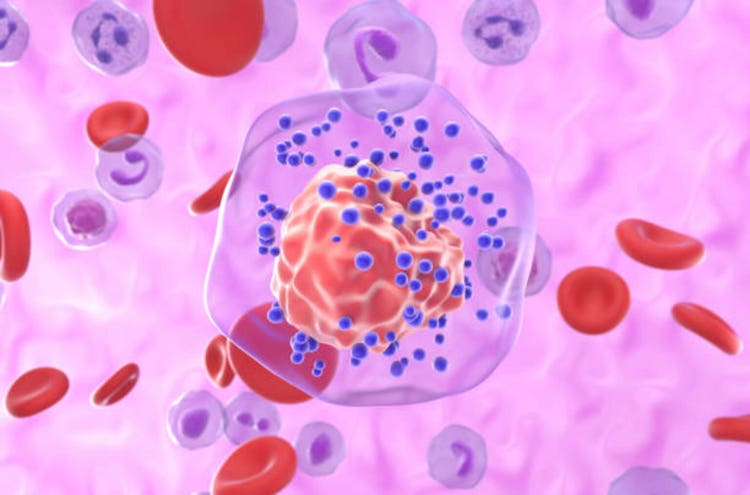
AstraZeneca's Enhertu shows promise in early-stage breast cancer treatment
Reuters· 2025-10-18 14:33
Core Insights - AstraZeneca and Daiichi Sankyo's drug Enhertu has demonstrated strong results in two pivotal studies focused on an early stage of a specific type of breast cancer [1] Group 1 - The drug Enhertu has shown promising efficacy in clinical trials, indicating potential for significant impact in breast cancer treatment [1]
TEZSPIRE approved in the US for chronic rhinosinusitis with nasal polyps
Businesswire· 2025-10-17 20:17
Core Insights - AstraZeneca and Amgen's TEZSPIRE® has received approval in the US for the add-on maintenance treatment of chronic rhinosinusitis with nasal polyps (CRSwNP) in adults and pediatric patients aged 12 years and older [1] - TEZSPIRE is the first and only biologic targeting thymic stromal lymphopoietin (TSLP) approved for CRSwNP, indicating a significant advancement in treatment options for this condition [1] Company Summary - The approval by the US Food and Drug Administration (FDA) marks a milestone for AstraZeneca and Amgen in expanding their product offerings in the field of chronic inflammatory diseases [1] - TEZSPIRE's unique mechanism of action targeting TSLP positions it as a pioneering treatment in the biologics market for CRSwNP [1]

FDA APPROVES TEZSPIRE® FOR CHRONIC RHINOSINUSITIS WITH NASAL POLYPS
Prnewswire· 2025-10-17 20:00
Core Insights - The FDA has approved TEZSPIRE (tezepelumab-ekko) for the add-on maintenance treatment of inadequately controlled chronic rhinosinusitis with nasal polyps (CRSwNP) in patients aged 12 years and older, marking it as the first biologic targeting thymic stromal lymphopoietin (TSLP) for this condition [1][3][6] Group 1: Product Approval and Indication - TEZSPIRE is now indicated for both severe asthma and CRSwNP, expanding its therapeutic applications [6][1] - The approval is based on data from the WAYPOINT Phase III trial, which demonstrated significant efficacy in reducing nasal polyp severity and the need for surgery [3][18] Group 2: Disease Impact and Patient Need - CRSwNP affects approximately 320 million people globally, leading to persistent inflammation and symptoms like airflow obstruction and impaired sense of smell [2][4] - Current treatments often fail to provide lasting relief, highlighting the need for new therapeutic options like TEZSPIRE [2][4] Group 3: Clinical Trial Results - In the WAYPOINT trial, TEZSPIRE showed a statistically significant reduction in nasal polyp size and a near-elimination of surgery necessity compared to placebo [3][19] - Key secondary endpoints included improvements in nasal congestion, loss of smell, and overall quality of life [19][3] Group 4: Safety and Tolerability - The safety profile of TEZSPIRE in the WAYPOINT trial was consistent with its established profile in severe asthma, with common adverse events including COVID-19 and upper respiratory infections [4][7] - Hypersensitivity reactions were noted, emphasizing the importance of monitoring during treatment [7][4] Group 5: Future Prospects - Regulatory applications for TEZSPIRE are under review in Europe, China, Japan, and other countries, indicating potential for broader market access [5][1] - The collaboration between Amgen and AstraZeneca continues to evolve, with both companies sharing costs and profits equally for TEZSPIRE [20][1]
Cellectis (NasdaqGM:CLLS) 2025 Investor Day Transcript
2025-10-16 13:30
Summary of Conference Call Notes Company and Industry Overview - The conference call primarily discusses a biotechnology company focused on developing allogeneic T cell therapies for patients with acute lymphoblastic leukemia (ALL) and other hematological malignancies. The company is transitioning from phase one to phase two of its clinical trials. Key Points and Arguments Patient Demographics and Treatment Landscape - Approximately 10,000 patients in the US, EU4, and the UK are treated annually for the relevant conditions, primarily with chemotherapy as the first line of treatment [1] - The relapse rate for CD19-directed therapies is around 50%, indicating a significant need for improved treatment options [2] - The patient population is heavily pretreated, with a median of four prior therapies, and many have high disease burden with over 60% bone marrow blast count [31] T Cell Therapy Development - The company emphasizes the importance of using high-quality, less exhausted T cells derived from healthy bone marrow, which can provide consistent treatment outcomes across patients [3] - The manufacturing process for allogeneic T cells is highlighted as critical, with the company having integrated its manufacturing capabilities to ensure quality and scalability [6][7] - The company has established manufacturing plants in Europe and the US, ready for commercial production [7] Clinical Trial Results - The current phase one trial shows a complete response rate of 57% and a partial response rate of 86% among patients at the current dose level [16] - The recommended phase two dose is set at 5 million cells per kilogram, targeting patients aged 12 to 50 [34][55] - High rates of minimal residual disease (MRD) negativity were observed among patients achieving complete remission, indicating effective treatment [35] Safety Profile and Adverse Events - The safety profile of the therapy is manageable, with most adverse events being grade one or two, and only a small percentage experiencing severe events [47][48] - The incidence of serious adverse events related to the therapy is low, with only one case of grade two graft-versus-host disease reported [49] Regulatory Path and Future Plans - The company has received positive feedback from regulatory authorities regarding the unmet need for its therapies and has a clear path for registration [52][54] - Plans for a pivotal phase two trial are underway, with a focus on expanding the patient recruitment sites to 75 centers across North America and Europe [64] - The company anticipates submitting two Biologics License Applications (BLAs) by 2028 for its investigational products [67] Market Dynamics and Competitive Landscape - The discussion highlights the competitive landscape, noting that many patients have been exposed to multiple targeted therapies, which complicates treatment options [18][19] - The company aims to address the unmet needs of patients who are refractory to existing therapies, particularly in the context of CD19 and CD22 targeted treatments [72][86] Additional Important Insights - The importance of internalizing the manufacturing process is emphasized, as it allows for better control over product quality and consistency [27] - The call also discusses the potential impact of prior exposure to CD19 therapies on patient responses to CD22-targeted therapies, indicating a need for further investigation [85][90] - The company is committed to exploring the pediatric population, with plans to include patients as young as zero to twelve years in future studies [62][63] This summary encapsulates the critical aspects of the conference call, focusing on the company's strategic direction, clinical trial progress, and the broader context of the industry.

AstraZeneca unveils expanded manufacturing facility in Texas
Businesswire· 2025-10-15 14:00
Core Insights - AstraZeneca has unveiled a $445 million expanded manufacturing facility in Coppell, Texas, aimed at doubling the production of Lokelma for global distribution [1][2][3] Investment and Expansion - The $445 million investment is part of AstraZeneca's broader $50 billion commitment to US R&D and manufacturing over the next five years, announced in July 2025 [2][9] - The expansion includes a new 9,000 square foot building, adding two novel manufacturing lines and enhancing laboratory testing, warehousing, and administrative space [3] Workforce and Economic Impact - The Coppell facility is the sole global manufacturing site for Lokelma, serving over 50 countries and employing more than 250 people [3] - AstraZeneca's US operations support over 100,000 jobs nationwide, with a workforce exceeding 25,000 [5] Community Engagement - At the unveiling event, AstraZeneca's STEM education partner, Learning Undefeated, showcased an interactive mobile lab to inspire students about careers in manufacturing [4]
J&J to spin off orthopaedics unit after strong Q3 results, stock falls 1%
MINT· 2025-10-14 14:38
Core Viewpoint - Johnson & Johnson (J&J) plans to separate its orthopaedics division, DePuy Synthes, from the main company within the next 18 to 24 months, following strong third-quarter results that exceeded Wall Street expectations [1][5]. Financial Performance - J&J reported quarterly revenue of $24 billion for Q3, surpassing the average analyst estimate of $23.7 billion [5]. - The company raised the midpoint of its estimated 2025 reported sales guidance by $300 million, bringing the new figure to $93.7 billion [5]. - Despite higher taxes, J&J maintained its adjusted earnings guidance for 2025 [6]. Business Strategy - The separation of the orthopaedics unit is intended to allow it to operate as a standalone entity, potentially becoming the largest in the world, while enabling J&J to focus on higher-growth, higher-margin markets [3]. - J&J is currently evaluating the mechanics of the separation, considering a spinoff as the most complex and resource-intensive option [3]. Leadership Changes - Namal Nawana has been appointed to lead the orthopaedics unit; he is a veteran medical technology executive with prior experience at Alere Inc. and Smith & Nephew Plc [4]. Market Context - The healthcare sector faces uncertainty due to potential tariff pressures from the U.S. government, which may impact pricing strategies across the industry [7]. - Rival drugmakers, including Pfizer Inc. and AstraZeneca Plc, have begun offering discounts in anticipation of tariff changes [7]. Investment Initiatives - J&J pledged to invest $55 billion over the next four years in U.S. manufacturing, research and development, and technology [8]. - The company also announced a $2 billion investment in a manufacturing site in Holly Springs, North Carolina, expected to create around 120 new jobs [8].

AZN Strikes Drug Pricing Deal With Trump, Gets 3-Year Tariff Reprieve
ZACKS· 2025-10-13 18:41
Core Insights - AstraZeneca (AZN) has signed a significant agreement with the Trump administration to reduce drug prices in the U.S., following a similar deal by Pfizer [1][8] - The agreement aligns with President Trump's Most Favored Nation (MFN) pricing proposal, allowing AstraZeneca to offer discounts of up to 80% on its prescription drugs [2][8] - In exchange for price reductions, AstraZeneca will receive a three-year exemption from import tariffs on pharmaceutical ingredients, contingent upon expanding its U.S. manufacturing [3][8] Investment and Manufacturing Plans - AstraZeneca plans to invest $50 billion over the next five years to enhance its U.S. research and production capabilities, including a $4.5 billion manufacturing facility in Virginia [3][4][8] - The new facility will focus on drug substances for weight management, metabolic therapies, and antibody drug conjugate (ADC) cancer drugs [4] Industry Context - The agreements with AstraZeneca and Pfizer address major concerns in the pharmaceutical sector regarding drug pricing and tariffs, potentially easing regulatory pressures [7] - Other large-cap pharmaceutical companies, such as AbbVie, Eli Lilly, and Johnson & Johnson, are also committing significant investments to U.S. manufacturing and R&D [9][10][11][12] - AstraZeneca's stock has increased by 29% year-to-date, outperforming the industry average rise of 7% [5]

Actinium Pharmaceuticals to Unveil the Multi-Tumor Potential of ATNM-400, a First-in-Class Actinium-225 Radiotherapy, with Data in Non-Small Cell Lung Cancer at the AACR-NCI-EORTC International Conference on Molecular Targets and Cancer Therapeutics
Prnewswire· 2025-10-13 16:10
Core Insights - Actinium Pharmaceuticals, Inc. announced the acceptance of preclinical data for its ATNM-400 program in non-small cell lung cancer (NSCLC) for presentation at the AACR-NCI-EORTC conference in October 2025, highlighting its innovative approach in targeted radiotherapies [1][5] Summary by Sections ATNM-400 in NSCLC - NSCLC accounts for about 85% of lung cancer cases and is the leading cause of cancer mortality globally [2] - EGFR tyrosine kinase inhibitors (TKIs) like osimertinib have improved outcomes for patients, but resistance develops in nearly all patients within 2 to 3 years, leading to disease progression [2] Preclinical Data - Preclinical data indicates that ATNM-400 shows strong anti-tumor activity in EGFR-mutant NSCLC models and can overcome resistance to osimertinib, demonstrating potential as a combination therapy [3][8] - The data suggests ATNM-400 could address a significant unmet need in oncology for patients with relapsed or refractory EGFR-mutant NSCLC [3] Clinical Trial Insights - A Phase 2 trial reported a median progression-free survival (PFS) of 32.3 months for patients receiving osimertinib plus consolidative radiotherapy, a notable improvement over the 20.0-month PFS with osimertinib alone [4] Multi-Indication Potential - Initially developed for prostate cancer, ATNM-400 targets a distinct receptor involved in tumor progression and treatment resistance, maintaining efficacy in PSMA-low or PSMA-resistant cases [6][10] - In preclinical models, ATNM-400 has shown synergy with enzalutamide, leading to significant tumor control and improved overall survival [6][10] Mechanism of Action - ATNM-400 utilizes Actinium-225 to induce irreparable double-strand DNA breaks, which is expected to overcome conventional resistance pathways and provide durable tumor control [7][10] Market Context - Prostate cancer is the most commonly diagnosed cancer in men, with approximately 1.5 million new cases globally and over 313,000 expected in the U.S. in 2025 [11] - Lung cancer, particularly NSCLC, is projected to have over 200,000 new cases in the U.S. in 2025, emphasizing the significant market potential for ATNM-400 [11] Company Overview - Actinium Pharmaceuticals is focused on developing targeted radiotherapies to improve patient outcomes, with ATNM-400 being a key candidate for both prostate cancer and NSCLC [12]