ExxonMobil

Search documents
Oil at $60 Forces Europe’s Energy Giants to Rethink Buybacks
Investing· 2026-02-04 06:00
Market Analysis by covering: Chevron Corp, Exxon Mobil Corp, Crude Oil WTI Futures. Read 's Market Analysis on Investing.com ...


ExxonMobil: Strong Value Despite Oil Rout (NYSE:XOM)
Seeking Alpha· 2026-02-03 13:14
Core Viewpoint - Exxon Mobil has successfully exceeded earnings and revenue estimates despite a notable decline in petroleum prices, primarily due to significant output increases, particularly in the Permian Basin [1] Group 1: Earnings Performance - Exxon Mobil reported better-than-expected earnings and revenue last Friday [1] - The company benefited from substantial output increases compared to the previous year [1] Group 2: Production Highlights - The output increase was especially pronounced in the high-potential Permian Basin [1] - In the fourth quarter, Exxon Mobil significantly boosted its production levels [1]

Exxon Mobil: Strong Value Despite Oil Rout
Seeking Alpha· 2026-02-03 13:14
Core Viewpoint - Exxon Mobil has successfully exceeded earnings and revenue estimates despite a recent decline in petroleum prices, primarily due to significant output increases, particularly in the Permian Basin [1] Group 1: Earnings Performance - Exxon Mobil reported better-than-expected earnings and revenue last Friday, showcasing resilience in a challenging market environment [1] - The company experienced serious output increases compared to the previous year, contributing to its strong financial performance [1] Group 2: Production Highlights - A notable increase in production was observed in the high-potential Permian Basin, which played a crucial role in Exxon Mobil's earnings success [1]
能源与电力_看空的一个理由,看多原油的十个理由-Bernstein Energy & Power_ One reason to be a bear, but ten reasons to be an oil bull
2026-02-03 02:06
Summary of Key Points from the Conference Call Industry Overview - The report focuses on the **oil industry**, highlighting current market conditions and future expectations for oil prices and demand. Core Insights and Arguments 1. **Current Oil Price Trends**: Oil prices are expected to decline by another 10% in 2026, reaching around **US$61/bbl Brent**. This bearish outlook is driven by weak demand growth in China and increased supply from non-OPEC sources, leading to an oversupply of **1-2 million barrels per day (MMbls/d)** [2][4]. 2. **Return on Capital**: The oil industry is currently experiencing returns on capital below the cost of capital, with a need for prices above **US$70/bbl** to generate sustainable returns. At **US$60/bbl**, returns are projected to be in the low to mid-single digits, which is not sustainable [4][6]. 3. **Long-term Price Expectations**: The five-year forward price for Brent is currently **US$66/bbl**, which is considered too low compared to the estimated marginal cost of **US$71/bbl**. This suggests a favorable risk-reward scenario for investors at current price levels [8][9]. 4. **Global Oil Demand Dynamics**: While oil demand in China may be peaking, demand from emerging markets in Southeast Asia, India, the Middle East, and Africa is expected to grow, potentially offsetting declines in developed markets [11][14]. 5. **Spare Capacity and Supply Risks**: The effective spare capacity in the oil market is around **3.4%**, which is back to historical averages. This low spare capacity increases the risk premium on oil prices due to reduced buffers against supply disruptions [15][16]. 6. **Geopolitical Risks**: Rising geopolitical tensions, particularly in the Middle East, could lead to unexpected supply disruptions, warranting a higher risk premium for oil [19][20]. 7. **Dollar Weakness Impact**: A weaker dollar is expected to support higher oil prices, as it makes oil cheaper in non-dollar currencies, stimulating demand from emerging markets [22][24]. 8. **Re-investment Rates and Reserves**: The re-investment ratio in the oil sector has fallen significantly, leading to a decline in proven oil reserves. This trend could result in slower production growth in the future [29][30]. 9. **Energy Sector Performance**: The energy sector has underperformed the S&P 500 over the past three years, with its share in the index dropping from **12% in 2011 to 3%** currently. This decline reflects reduced investor interest in the sector [34]. 10. **Shale Production Trends**: The growth of U.S. shale production is plateauing, with expectations of flat production levels moving forward. This shift has significant implications for future non-OPEC supply growth [36]. Additional Important Insights - **Strategic Stockpiling by China**: China is expected to continue adding to its strategic petroleum reserves, potentially purchasing **150MMbls** this year, which could support demand despite overall sluggishness [37]. - **Investment Opportunities**: Despite the bearish sentiment, there are opportunities for contrarian investors, particularly in companies with high free cash flow yields and dividends [38][40]. This comprehensive analysis indicates that while the oil market faces significant challenges, there are underlying factors that could lead to a recovery in prices and investment opportunities in the sector.
2 No-Brainer High-Yield Energy Stocks to Buy for Reliable Income Right Now
Yahoo Finance· 2026-02-02 20:56
Group 1: Energy Sector Performance - The energy sector has increased by 12.9% year to date, making it the best-performing stock market sector in 2026, ahead of materials [1] Group 2: ConocoPhillips Overview - ConocoPhillips is the largest U.S. exploration and production company by market capitalization and the third-largest overall U.S. oil and gas company [3] - The company has shifted focus from a variable dividend to growing its ordinary quarterly dividend, aiming for top-quartile dividend growth relative to the S&P 500 [4] Group 3: ConocoPhillips Dividend and Financial Strategy - ConocoPhillips plans to lower its free cash flow breakeven level to the low $30 range per barrel of WTI crude oil by the end of the decade, with current WTI prices in the mid $60 range [5] - The company combines technological advancements and efficiency improvements to support its dividend growth, with a current dividend yield of 3.3% [6] Group 4: Kinder Morgan Overview - Kinder Morgan is experiencing growth, with its 2026 budgeted adjusted net income projected to be 5% higher than in 2025, and adjusted earnings per share expected to increase by 5% as well [7] Group 5: Kinder Morgan Financial Predictability - Kinder Morgan's earnings predictions are highly accurate, with 70% of its 2026 budgeted cash flows being take-or-pay or hedged, ensuring stable revenue from pipeline and storage capacity bookings [8]


America's 50 most iconic brands, from Main Street to Silicon Valley
Yahoo Finance· 2026-02-02 17:43
Core Insights - The article highlights the significant American companies that have shaped the nation's identity and economy as it approaches its 250th birthday, emphasizing their cultural and historical impact rather than just financial metrics [1][2]. Group 1: Visa - Visa was established in 1958 as BankAmericard, launching the first consumer credit card in the U.S. [3][6] - The company rebranded as Visa in 1976 and went public in 2008, currently holding a market cap of $632 billion [4][6]. - Visa operates in over 220 countries and territories, accepted at more than 175 million merchants [7]. Group 2: Meta (Facebook) - Facebook was founded in 2004 by Mark Zuckerberg and quickly grew to 1 billion users by 2012, later rebranding to Meta in 2021 [9][13][14]. - The platform has faced controversies regarding user data and misinformation but remains a dominant social media service with over 3 billion regular users [15]. Group 3: Boeing - Boeing, established in 1916, is a leading aerospace company known for producing commercial jets and military aircraft [15][16]. - The company has faced challenges in recent years, including safety allegations and COVID-19 impacts, but continues to be a major player in the industry with a market cap of $185 billion [20][21]. Group 4: Tesla - Tesla was founded in 2003, with Elon Musk joining in 2004, and has become synonymous with electric vehicles, launching the Model 3 in 2017 as the best-selling electric car [23][27]. - The company has a market cap of $1.4 trillion and is recognized for driving electric vehicles into the mainstream [28]. Group 5: Patagonia - Patagonia was founded in 1973 by Yvon Chouinard, known for its commitment to sustainability and donating 1% of sales to environmental causes [30][33]. - The company has expanded from climbing gear to a wide range of outdoor apparel and is estimated to have a market cap of $3 billion [33]. Group 6: Intel - Intel was founded in 1968 and became a leader in semiconductor technology, introducing the first programmable microprocessor in 1971 [34][35]. - The company has maintained a significant market presence, controlling approximately 75% of the CPU market as of 2025 [38]. Group 7: HP - HP was established in 1939, initially focusing on sound equipment and later becoming a leader in personal computers and printers [40][42]. - The company split into HP Inc. and Hewlett Packard Enterprises in 2015, with HP Inc. having a market cap of $18 billion [45]. Group 8: Nike - Nike was founded in 1964 as Blue Ribbon Sports and rebranded in 1971, becoming a dominant player in the sportswear market with a 14% share in 2024 [46][50]. - The company gained fame through its endorsement deal with Michael Jordan, significantly boosting its brand recognition [48]. Group 9: Kodak - Kodak was founded in 1888 and became a pioneer in photography, introducing innovations like roll film and the first digital camera [51][54]. - The company filed for bankruptcy in 2012 and now focuses primarily on commercial printing and imaging [56]. Group 10: IBM - IBM was established in 1911 and became synonymous with computing, initially focusing on tabulating machines and later dominating the PC market [59][62]. - The company has shifted its focus to consulting, software, and cloud computing, with a market cap of $291 billion [67]. Group 11: Paramount Pictures - Paramount Pictures, founded in 1912, is recognized as the longest-operating major studio in Hollywood, producing numerous iconic films [68][70]. - The studio has undergone various mergers and continues to be a significant player in the entertainment industry with a market cap of $12 billion [74]. Group 12: Netflix - Netflix was founded in 1997 as a DVD rental service and transitioned to streaming in 2007, becoming a leader in the industry [77][80]. - The company has a market cap of $351 billion and announced plans to acquire Warner Bros. Discovery in 2025 [81]. Group 13: FedEx - FedEx was founded in 1971, revolutionizing overnight delivery with a centralized hub model [83][84]. - The company has introduced several innovations in the shipping industry and has a market cap of $74 billion [88]. Group 14: Motown - Motown Records, established in 1959, played a crucial role in integrating Black artists into mainstream pop music [91][92]. - The label produced numerous hits and helped launch the careers of many iconic artists, although it faded in prominence during the 1970s [94][96]. Group 15: PepsiCo - PepsiCo was formed in 1965 through the merger of the Pepsi-Cola Company and Frito-Lay, becoming a leading global food and beverage brand [99][100]. - The company is known for its innovative marketing strategies and has a significant rivalry with Coca-Cola [101]. Group 16: Levi Strauss - Levi Strauss, founded in 1853, is known for creating the first riveted blue jeans, which have become a cultural staple [104][106]. - The company continues to sell a wide range of apparel and remains a significant player in the fashion industry [106]. Group 17: Microsoft - Microsoft was founded in 1975 and became a leader in software development, particularly with its Windows operating system [109][110]. - The company has expanded into gaming, cloud services, and AI, with a market cap of $7.8 billion [112]. Group 18: The Home Depot - The Home Depot was established in 1978, focusing on providing a wide range of building supplies and home improvement products [115][116]. - The company has a strong commitment to community initiatives, particularly supporting veterans, and has a market cap of $3.2 trillion [118]. Group 19: WK Kellogg Company - WK Kellogg Company was formed from the original Kellogg's brand, known for its iconic cereals and snacks [121][123]. - The company underwent a reorganization in 2023, with its cereal business spun off into a new entity [123].
These Analysts Revise Their Forecasts On Exxon Mobil Following Q4 Results
Benzinga· 2026-02-02 17:06
Exxon Mobil Corporation (NYSE:XOM) reported upbeat fourth-quarter 2025 results on Friday.The company’s total revenues of $82.3 billion beat the consensus forecast of $81.5 billion. ExxonMobil generated $12.7 billion in cash flow from operations and adjusted free cash flow of $5.6 billion for the quarter, ending the year with a cash balance of $10.7 billion. The company posted adjusted EPS of $1.71 per share, topping analyst expectations of $1.67.For the first quarter, ExxonMobil expects upstream volumes to ...
中国油气行业_ 聚焦深海勘探机遇与长期油价回升-China Oil and Gas Sector _Eyes on opportunities in deep-sea exploration and longer-term oil price recovery
2026-02-02 02:22
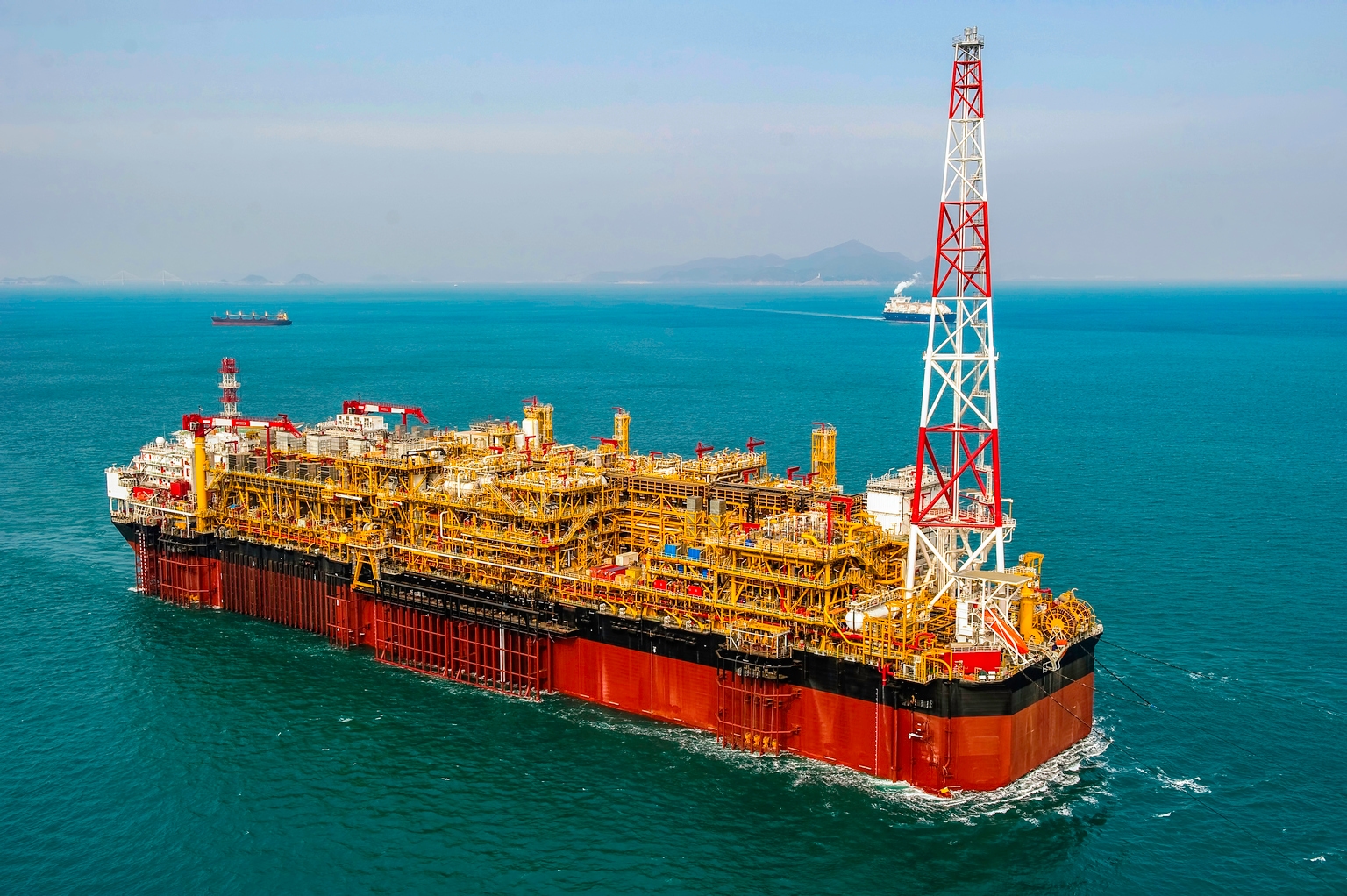
Summary of Key Points from the Conference Call Industry Overview - **Industry**: Oil and Gas Sector in China - **Focus**: Opportunities in deep-sea exploration and oil price recovery Core Insights 1. **Deep-Sea Exploration Growth**: The acceleration in the deep-sea exploration permitting framework in the US has attracted investor interest in deep-sea mining and oil & gas exploration. Notably, order intake for FPSOs has significantly increased, driven by deepwater and ultra-deepwater oilfield exploration in South America and Africa [2][2] 2. **Guyana's Oilfields**: The Stabroek oilfield in Guyana, developed by ExxonMobil (45%), Chevron (30%), and CNOOC (25%), is highlighted as a key area of growth. Four additional projects are under construction, with expected production ramp-ups leading to higher returns by 2030 [2][2] 3. **Oil Price Forecasts**: UBS has revised its oil price forecasts, lowering the 2026 estimate to US$62/bbl due to anticipated oversupply of 1.9Mb/d. However, a gradual recovery is expected as supply and demand improve [3][3] 4. **Impact of US Sanctions on Venezuela**: If US sanctions on Venezuela are lifted, production could recover to 1Mb/d, potentially increasing to 1.2-1.3Mb/d. This could exert additional pressure on the oil market in 2026, but the overall supply-demand dynamics are not expected to change significantly [4][4] Company-Specific Insights 1. **PetroChina and CNOOC Price Target Adjustments**: - PetroChina's price target raised to Rmb14.0/HK$11.5 from Rmb12.9/HK$10.3, reflecting a re-rating of the oil and chemical sector [5][5] - CNOOC's price target increased to HK$30.0 from HK$26.5, based on a higher EV/EBITDA multiple [5][5] 2. **Valuation Comparisons**: China's oil majors are trading at lower valuation multiples compared to their overseas peers, with an average 2026E PE/PBV of 11/1.0x versus 13/1.6x for global counterparts. This suggests potential upside for Chinese oil companies [5][5] Additional Insights 1. **Dividend Yield**: The average dividend yield for A+H shares of China's oil majors is projected at 5.2%, which is above the overseas peer average of 4.8% [5][5] 2. **Market Dynamics**: Teapot refineries in China, which typically import Venezuelan crude, may shift to cheaper alternatives like Russian crude, indicating a limited impact from potential Venezuelan oil supply increases [4][4] Conclusion - The oil and gas sector in China is poised for growth, particularly in deep-sea exploration, with favorable long-term price recovery expectations. Companies like PetroChina and CNOOC are well-positioned to benefit from these trends, despite short-term challenges related to oil supply dynamics and geopolitical factors.


Exxon Mobil: Let Us Talk About Venezuela And Guyana (NYSE:XOM)
Seeking Alpha· 2026-02-01 14:09
Group 1 - The article discusses the analysis of oil and gas companies, focusing on identifying undervalued firms within the sector [1] - The author emphasizes the cyclical nature of the oil and gas industry, highlighting the importance of patience and experience in navigating this market [2] - The investing group, Oil & Gas Value Research, seeks out under-followed oil companies and midstream firms that present attractive investment opportunities [2] Group 2 - The article mentions that the analysis includes a breakdown of companies' balance sheets, competitive positions, and development prospects [1] - The investing group features an active chat room for investors to discuss recent information and share investment ideas [2]
Exxon Mobil: Let Us Talk About Venezuela And Guyana
Seeking Alpha· 2026-02-01 14:09
Group 1 - The article discusses the analysis of oil and gas companies, focusing on identifying undervalued firms within the sector [1] - The author emphasizes the cyclical nature of the oil and gas industry, highlighting the importance of patience and experience in investing [2] - The investing group, Oil & Gas Value Research, seeks out under-followed oil companies and midstream firms that present attractive investment opportunities [2] Group 2 - The article mentions that the investing group includes an active chat room for discussions among oil and gas investors, facilitating the sharing of recent information and ideas [2]