PharmEasy

Search documents
Founder Exits: Startup Cofounders & CEOs That Quit In 2025
Inc42 Media· 2025-12-05 06:56
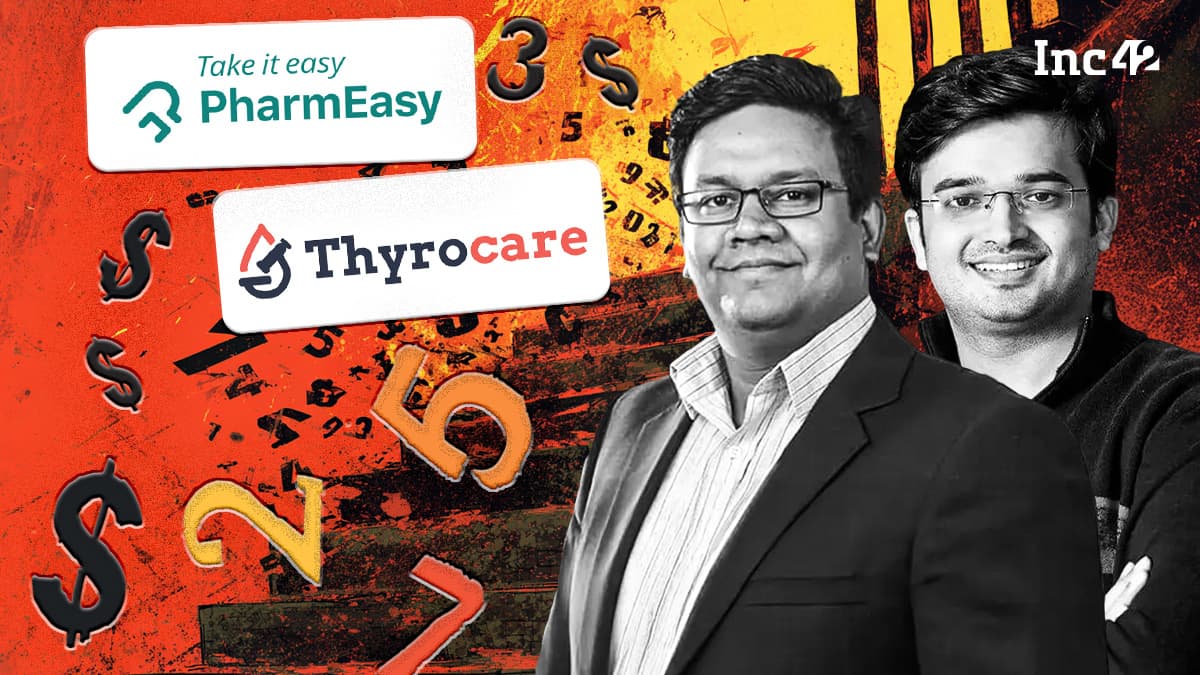
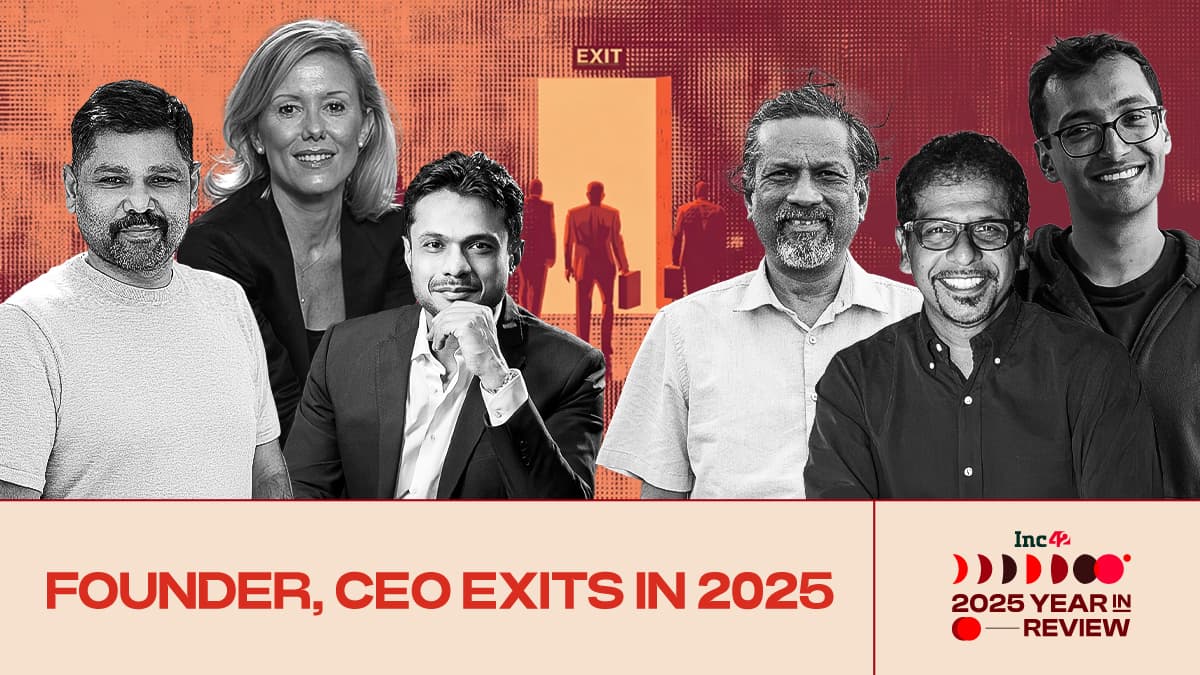
Core Insights - The Indian startup ecosystem in 2025 experienced significant founder and CEO exits driven by strategic, financial, and personal factors, with a notable shift in company strategies and increased focus on profitability and AI [1][4][6] Leadership Changes - Numerous founders and CEOs stepped down, with some leaving due to company shutdowns while others pursued new ventures [2][5] - The exits were often linked to burnout, especially for solo founders who felt overwhelmed by the scale of their companies [3] - Strategic shifts initiated by boards led to transitions in leadership, as companies adapted to new market realities [4] Notable Exits - Abha Maheshwari resigned as CEO of Allen Digital after two years, planning to take a break before her next role [7] - Ashish Mishra of Clensta stepped down amid a cash crunch, planning to launch a new venture in beauty and personal care [9][10] - Ashok Shastry from DriveU left for personal reasons but remains on the board [12] - Kabeer Biswas exited Dunzo while facing legal challenges, later joining Flipkart Minutes [15][16] - Nishant Pitti of EaseMyTrip resigned amid rumors of involvement in a money laundering case, which the company denied [17][18] - Raheel Shah from Eduvanz stepped down during a restructuring, with plans to start an incubator [20] - Girish Mathrubootham announced his departure from Freshworks to focus on his venture capital firm [26] Market Trends - There was a growing interest in secondary deals, with 41% of Indian investors preferring this route for exiting portfolio companies, allowing founders to de-risk and pursue new opportunities [6] - PharmEasy faced a leadership crash with four cofounders stepping down, while the remaining cofounder took over as CEO [40][41]

PharmEasy’s Uneasy State
Inc42 Media· 2025-09-14 00:30
Core Insights - PharmEasy is facing significant challenges, including revenue stagnation, high losses, and leadership changes, despite a reduction in losses for FY25 [1][4][11] Financial Performance - PharmEasy reported a loss of INR 1,517 Cr in FY25, which is 40% lower than FY24, but revenue remained flat, indicating limited improvement [4][16] - The company's total borrowings as of FY25 were INR 1,700 Cr, down from a peak of INR 3,358 Cr [16][17] - Revenue from operations in FY25 was INR 5,097.5 Cr, with a significant portion (87%) coming from pharmaceutical and cosmetic sales [20][25] Acquisitions and Growth Strategy - PharmEasy's acquisition of Thyrocare for INR 4,440 Cr (around $600 Mn) in June 2021 was intended to drive profitability, but profits remain elusive four years later [3][17] - The company has made several acquisitions, including Aknamed and Medlife, to diversify its offerings but has struggled to achieve sustainable growth [5][25] Debt and Financial Obligations - A $300 Mn loan from Goldman Sachs at a steep interest rate of 17-18% has contributed to PharmEasy's financial difficulties [6][14] - The company failed to meet key covenants related to this loan, including raising fresh equity capital [15][16] Leadership Changes - Siddharth Shah stepped down as CEO in August 2025, with Rahul Guha from Thyrocare taking over [11][13] - New leadership is expected to address the company's financial challenges, but it remains to be seen if they can steer PharmEasy towards profitability [13][26] Market Position and Competition - PharmEasy's market position has weakened, with competitors like 1MG and NetMeds gaining traction [9][27] - The company's B2B operations have become a significant revenue source, accounting for 56.9% of total revenue in FY25 [20][25] Future Outlook - PharmEasy is considering a potential IPO in FY26, but this will require measurable improvements in financial performance [26][29] - The company's valuation has plummeted from a peak of $5.6 Bn to approximately $456 Mn, raising concerns about its future prospects [17][29]